ERP for Manufacturing: Unlocking Smarter Production Planning and Streamlined Supply Chain Management
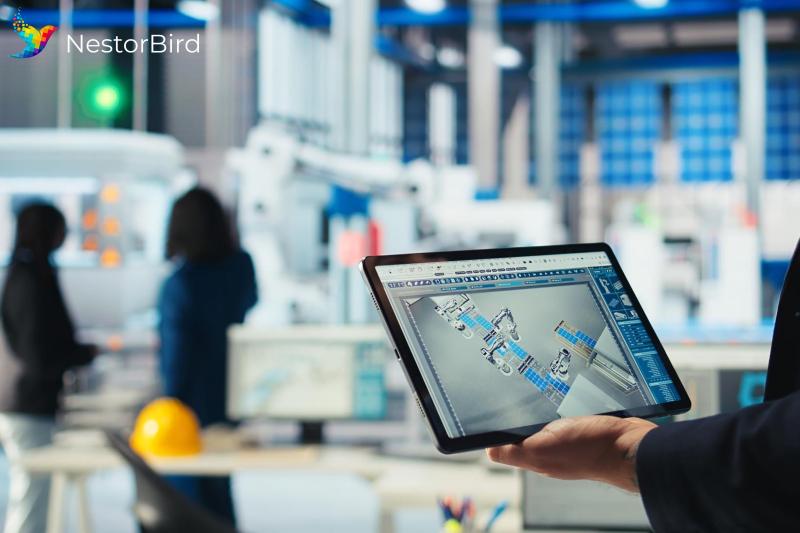
Regardless of their size, businesses—large or small—often struggle with key aspects of manufacturing, like production planning, inventory control, and supply chain management. Issues such as production delays, inventory mismanagement, and disruptions in the supply chain are common in today’s manufacturing landscape. These challenges typically arise from fragmented systems and manual processes that hinder overall efficiency. In this blog, we’ll explore how implementing ERP software for manufacturing can help address these pain points and optimize operations.
The Role of ERP in Manufacturing
Manufacturing ERP software is a specialized system designed to help businesses unify and streamline various operations within a manufacturing environment. It connects departments like production planning, inventory management, and quality control into a cohesive platform, boosting operational efficiency. ERP systems also centralize data and automate workflows, enabling real-time insights that empower manufacturers to make better decisions and enhance productivity.
Key features of manufacturing ERP systems include tools for production scheduling, inventory tracking, material requirement planning (MRP), and quality assurance. These capabilities allow manufacturers to manage resources more effectively, avoid stockouts or excess inventory, and ensure product quality. ERP also provides modules for financial management, HR, and supply chain coordination, all contributing to improved overall efficiency.
For example, businesses that integrate ERP software experience reduced lead times by automating production schedules and improving supplier collaboration through integrated supply chain management. Real-time monitoring of shop floor activities allows manufacturers to adjust workflows quickly, optimizing resource usage. By choosing ERP solutions tailored for manufacturing, businesses can drive efficiency, reduce costs, and stay competitive in an ever-changing market.
ERP Systems and Smarter Production Planning
Traditional production planning often relies on manual scheduling and resource allocation, which can lead to inefficiencies, delays, and errors. These manual processes make it harder to adapt to changes in demand or supply, further compounding operational challenges.
Manufacturing ERP systems address these issues by automating production workflows and using real-time data to manage schedules and resources. This automation ensures smoother, more efficient production. With ERP, manufacturers can swiftly adjust plans to account for changing material availability or unanticipated equipment downtime.
The benefits of ERP in production planning are significant, including reduced idle time, improved resource utilization, and increased productivity. By minimizing downtime and maximizing resource efficiency, manufacturers can boost output while reducing waste and costs. This leads to quicker delivery times and higher customer satisfaction.
Enhancing Supply Chain Management with ERP
Supply chain management is a critical component of manufacturing operations, but common challenges like delivery delays, poor inventory management, and lack of communication with suppliers can hinder performance. These bottlenecks can lead to higher costs, missed deadlines, and dissatisfied customers. Without real-time visibility into the supply chain, it becomes difficult for manufacturers to accurately predict demand or respond quickly to disruptions.
When manufacturers implement ERP systems, they can streamline their supply chain by integrating processes like procurement, inventory management, and logistics into one platform. ERP systems offer features like supplier integration, allowing for better communication and collaboration with vendors, reducing errors and delays.
Real-time tracking features also enable businesses to monitor shipments, inventory levels, and production schedules, preventing shipping delays. Additionally, many ERP systems include forecasting tools that help businesses plan for demand fluctuations, optimizing production and inventory strategies.
For instance, manufacturers who use ERP often report faster delivery times, improved collaboration between production and logistics teams, and enhanced supplier communication. By automating order management and communications, ERP systems transform supply chain operations, ensuring on-time delivery and greater customer satisfaction.
Integrating Production Planning and Supply Chain Management with ERP
ERP systems facilitate the seamless integration of production planning with supply chain logistics. This connection ensures that production schedules align with supply chain activities, minimizing delays and disruptions. For example, ERP systems track inventory levels in real time, enabling manufacturers to synchronize production with available stock. This prevents overstocking, which ties up capital, or understocking, which can lead to missed deadlines and unhappy customers.
The integration of production planning and supply chain management through ERP systems enables manufacturers to optimize resource use, improve logistics, and ensure timely delivery. By automating workflows and providing real-time visibility, ERP helps businesses adapt to production needs and changes in the supply chain. This leads to smoother operations, fewer errors, faster delivery times, and stronger customer relationships.
Final Thoughts
ERP software is an invaluable tool for manufacturing businesses, offering an efficient solution for improving production planning and supply chain management. By integrating these processes, ERP systems help businesses operate more efficiently, reduce errors, and boost customer satisfaction. With ERP, manufacturers can focus on growth, innovation, and staying agile in the face of market changes.
FAQs
-
How does ERP help with production planning?
ERP automates production scheduling, optimizes resource allocation, and provides real-time data to reduce idle time and improve overall productivity in manufacturing operations. -
Can ERP systems improve supply chain management?
Yes, ERP systems enhance supply chain management by offering real-time tracking, facilitating supplier communication, and providing tools for demand forecasting and logistics coordination. -
Is ERP suitable for small manufacturing businesses?
Absolutely. ERP systems can be scaled to meet the needs of small businesses, helping them automate processes, manage resources effectively, and stay competitive in the market.

Post Your Ad Here
Comments