The Influence of Streetwear on High Fashion Trends
The Influence of Streetwear on High Fashion Trends
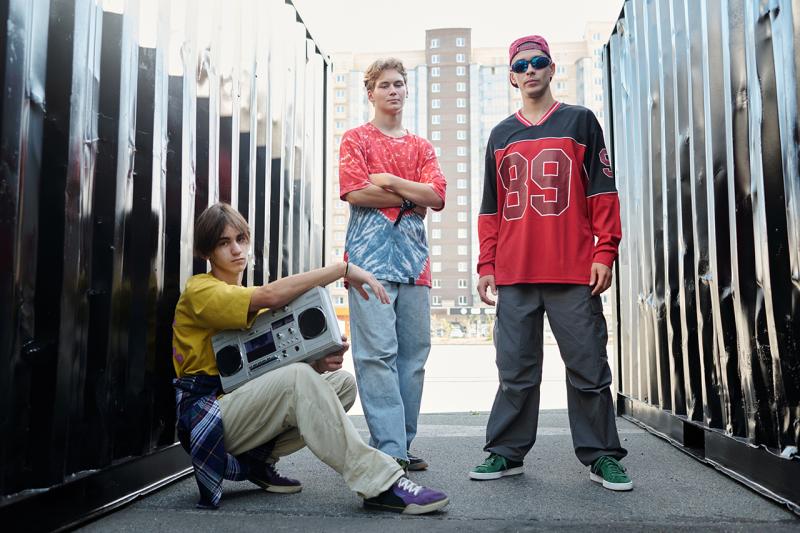
Explore the influence of streetwear on high fashion trends and see how urban style is reshaping the world’s top designer collections. Once considered a subcultural style rooted in skate parks, hip-hop scenes, and urban neighborhoods, streetwear has evolved into one of the most powerful forces shaping modern high fashion. Luxury runways now echo the language of the streets, blurring boundaries between casual and couture. This cultural shift has not only redefined how fashion looks but also how it is marketed, consumed, and understood.
The Origins of Streetwear Culture
Streetwear emerged in the late 1970s and 1980s, drawing inspiration from surf culture in California, hip-hop in New York, and skate communities around the world. Graphic T-shirts, hoodies, sneakers, and oversized silhouettes became visual markers of identity and belonging. Brands built around authenticity and community rather than traditional fashion calendars or exclusivity.
This grassroots foundation is key to understanding why streetwear resonated so deeply. It was expressive, accessible, and closely tied to music, art, and youth movements. Over time, what began as a countercultural statement grew into a global style phenomenon.
Streetwear Meets the Luxury Runway
The relationship between streetwear and high fashion began to solidify in the early 2000s, when luxury designers started incorporating casual elements into their collections. Sneakers replaced dress shoes, hoodies appeared under tailored coats, and logos became central design features rather than subtle details.
Designers such as Virgil Abloh, Demna Gvasalia, and Kim Jones played a pivotal role in merging these worlds. Their collections challenged traditional ideas of elegance and luxury, proving that a hoodie or graphic tees could carry the same cultural weight as a tailored suit.
The Power of Collaborations
One of the clearest indicators of streetwear’s influence on high fashion is the rise of high-profile collaborations. Luxury houses partnering with streetwear brands created unprecedented demand and cultural buzz. These collaborations redefined exclusivity, replacing seasonal luxury scarcity with limited drops and hype-driven releases.
This model transformed consumer behavior. Shoppers now line up digitally and physically for fashion releases, treating garments as collectibles. The success of these collaborations pushed luxury brands to rethink how they connect with younger, trend-conscious audiences.
Redefining Silhouettes and Styling
Streetwear has significantly reshaped the silhouettes seen in high fashion. Oversized fits, relaxed tailoring, cargo pants, and layered looks have become staples on luxury runways. Comfort is no longer at odds with sophistication, and versatility is a defining feature of contemporary luxury.
This influence has also changed styling norms. Mixing high and low fashion is now widely accepted, with luxury pieces paired effortlessly with sneakers, caps, and everyday basics. The result is a more wearable and relatable version of high fashion.
Streetwear’s Impact on Fashion Marketing
Beyond design, streetwear has influenced how fashion is marketed. Social media, influencer culture, and community-driven storytelling have replaced traditional top-down advertising strategies. Brands now emphasize authenticity, cultural relevance, and storytelling rooted in real-life experiences.
Limited releases, pop-up shops, and digital-first campaigns mirror streetwear’s original approach, allowing luxury brands to stay agile and culturally connected in a fast-moving fashion landscape.
A Lasting Cultural Shift
The influence of streetwear on high fashion is not a passing trend but a lasting transformation. It has democratized luxury, challenged outdated fashion hierarchies, and brought cultural diversity to the forefront of design. As fashion continues to evolve, the dialogue between streetwear and high fashion will remain central, shaping a future where style is defined as much by cultural expression as by craftsmanship.
In embracing streetwear, high fashion has become more inclusive, expressive, and reflective of the world it serves—proving that true luxury lies not only in price or prestige, but in relevance and authenticity.
Post Your Ad Here
Comments