The History of Graphic Tees From Band Merch to Fashion Staple
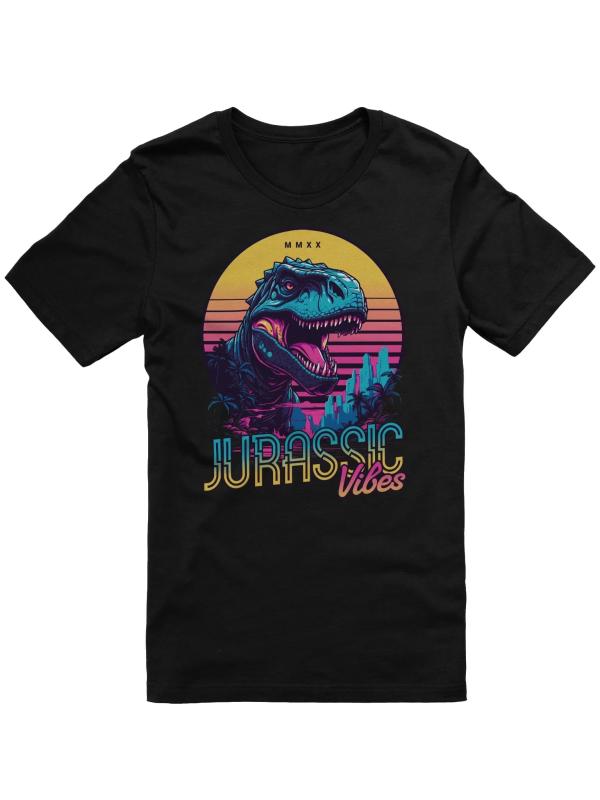
The History of Graphic Tees: From Band Merch to Fashion Staple
Discover the History of Graphic Tees: From Band Merch to Fashion Staple. Explore how graphic tees evolved and shaped pop culture trends. Graphic T-shirts are everywhere today—on celebrities, in designer collections, and hanging in nearly every closet. Yet few pieces of clothing have a cultural journey quite like the graphic tee. What started as a symbol of fandom and rebellion evolved into a defining fashion staple across generations.
This blog post traces the rich history of graphic tees, exploring how an everyday cotton shirt transformed into a powerful visual statement.
Origins: Utility Becomes Expression
The T-shirt began as a simple undergarment in the early 20th century, worn primarily for practicality. Its shift into outerwear marked the first step toward becoming a canvas for expression. By the 1950s, movie icons like Marlon Brando and James Dean helped popularize the plain T-shirt as a rebellious style choice. The foundation was set—the tee became a symbol of attitude.
1960s–70s: Screen Printing and Counterculture
The true birth of graphic T-shirts emerged in the 1960s when advances in screen-printing technology made mass printing accessible. Suddenly, bold text, psychedelic designs, protest slogans, and political imagery were splashed across tees.
Bands, artists, and activists recognized the power of wearable messaging. The graphic tee became a cultural billboard—an extension of one’s identity. Rock bands in the 1970s further expanded the craze, selling tour merch that allowed fans to showcase loyalty long after concerts ended.
1980s–90s: Logos, Pop Culture, and Youth Identity
As pop culture exploded, so did the influence of graphic tees. Major brands like Nike, Coca-Cola, and MTV used logos and slogans to build mass appeal. Wearing a graphic tee became a declaration of belonging.
In the 1990s, grunge, hip-hop, and skate culture amplified streetwear aesthetics. Baggy silhouettes and bold prints reflected youth rebellion and self-definition. Graphic tees were no longer tied to music—they represented everything from cartoons to political satire.
2000s–Present: From Streetwear to High Fashion
The past two decades marked the graphic tees ascent into fashion’s highest ranks. Designers like Givenchy, Balenciaga, and Off-White elevated the humble tee into luxury collections. Limited drops, collaborations, and ironic visuals brought exclusivity to what was once everyday wear.
At the same time, e-commerce and digital printing made custom tees more accessible than ever. Consumers could create personal designs, fueling individuality and micro-trends. Influencers amplified the trend with outfit-of-the-day posts, pairing tees with everything from tailored trousers to slip dresses.
Why Graphic Tees Remain Timeless
Their enduring relevance stems from emotional connection and endless versatility. Graphic tees allow people to:
express values or interests
relive cultural moments
represent communities or fandoms
personalize everyday style
It’s a rare garment that blends nostalgia, identity, and fashion so seamlessly.
Conclusion: A Canvas for Culture
From band merch at concert venues to couture collections on runways, graphic tees continue to tell stories and reflect social currents. Their evolution mirrors cultural shifts—proof that fashion is more than fabric. It’s communication.
Graphic tees aren’t just clothing; they are wearable culture, a visual history of moments, movements, and meaning. As trends evolve, one thing remains true: the graphic tee will always hold a place in fashion’s narrative.
Post Your Ad Here
Comments