AI Meets Fire Watch: Transforming Safety By Detecting Fires Early
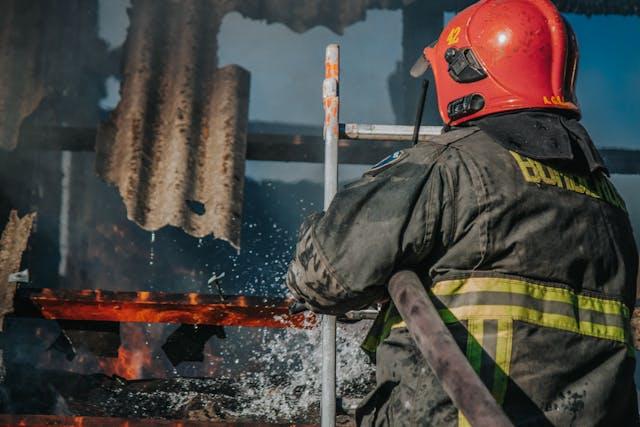
Imagine losing everything to a fire that could have been detected just moments earlier, this is a reality far too many faces. Fortunately, the fast fire watch company is spearheading a revolution in safety by integrating AI into fire detection systems. In this article, we explore how this technology not only enhances fire watch capabilities but also saves lives and property. By the conclusion, you’ll appreciate the impact AI has on fire safety and community resilience.
What if a simple misstep could lead to catastrophic flames? The fast fire watch company is addressing this pressing concern by harnessing the power of AI to detect fires earlier than ever before.
Introduction to AI in Fire Safety
As urban landscapes grow denser and climate change amplifies fire risks, early detection and effective response mechanisms have become more crucial than ever. Enter Artificial Intelligence (AI), a game changer in fire safety that integrates advanced analytics and real-time data processing. By leveraging machine learning algorithms and neural networks, AI systems are capable of analyzing patterns and anomalies within vast datasets, ranging from weather conditions to building occupancy, enabling them to predict potential fire hazards before they escalate.
What sets AI apart is its ability to continuously learn and adapt. For instance, AI can ingest historical fire incident data, recognize trends, and develop predictive models that suggest when and where a fire is likely to occur. Equally fascinating is its role in enhancing existing fire safety infrastructure. AI-driven cameras equipped with thermal imaging can detect heat sources or smoke that traditional systems might overlook, ensuring that communities are safeguarded long before flames have a chance to spread.
Moreover, the integration of AI with the Internet of Things (IoT) creates a comprehensive network of smart devices that communicate seamlessly, offering real-time updates to emergency response teams. This not only streamlines communication but also empowers fire safety professionals to take preemptive action, minimizing the potential devastation of a fire incident. By embracing these technological advances, we are not just reacting to fires; we are redefining our approach to fire safety and fostering a safer environment for all.
Importance of Early Fire Detection
Early fire detection serves as the first line of defense in mitigating the devastating impact of fires, especially in industrial settings or densely populated areas. Traditional detection systems rely heavily on smoke and heat sensors, often covertly tucked away, but these can fail to account for the rapid and unpredictable nature of fire spread. By integrating advanced AI algorithms with contemporary detection methods, we can not only enhance sensitivity but also improve the accuracy of alarms, distinguishing between actual threats and false positives. This means that AI-enabled systems can facilitate a faster response, potentially saving lives and protecting valuable assets.
Moreover, the integration of AI technology can revolutionize how we approach fire prevention, transitioning from reactive to proactive measures. For instance, real-time data analysis can predict fire risks based on environmental conditions, historical incidents, and even human activity patterns. This foresight allows organizations to address vulnerabilities before they escalate, fostering a culture of safety that resonates through all levels of operation. In an era where every second counts, harnessing the power of AI in early fire detection not only enhances safety protocols but also offers peace of mind in safeguarding people, property, and the environment.
How AI Enhances Traditional Fire Watch
AI technologies are revolutionizing traditional fire watch by integrating advanced analytics with real-time monitoring. Gone are the days of relying solely on human vigilance. At the fast fire watch company, AI systems now leverage machine learning algorithms to analyze extensive data from various sources, including thermal imaging, satellite feeds, and weather patterns. This powerful combination allows for the early detection of fire risks, often identifying potential hotspots before a blaze ignites.
Moreover, AI not only enhances detection capabilities but also optimizes response strategies. By evaluating historical data and current environmental conditions, these systems can predict fire spread and suggest the most effective evacuation routes or firefighting strategies. This predictive intelligence not only saves time but also critically enhances the safety of both workers and first responders. Embracing AI in fire watch transforms a reactive approach into a proactive safety strategy, fundamentally altering how businesses manage fire risks and protect their assets.
Key Technologies Behind AI Fire Detection
AI fire detection leverages cutting-edge technologies such as machine learning algorithms, computer vision, and IoT connectivity to enhance early fire detection. At the core of these systems, machine learning models are trained on vast datasets that include images and patterns of fire behavior, allowing them to differentiate between false alarms and genuine threats. By analyzing real-time video feeds, AI can identify subtle signs of combustion or smoke that the human eye might miss, providing a significant edge in speed and accuracy.
Real-World Applications and Success Stories
In real-world scenarios, AI-driven fire detection systems have been instrumental in safeguarding lives and property. For instance, a prominent manufacturing facility in California implemented an AI-based fire watch system that utilizes thermal imaging and machine learning algorithms. Within its first year, the system identified potential fire hazards 30% faster than traditional methods, alerting emergency crews before flames could spread, ultimately saving the company millions in damages.
Additionally, in the sprawling landscapes of California’s wine country, vineyards are adopting AI technologies to monitor fire risks. By deploying drones equipped with sensors, vineyard managers receive immediate alerts about rising temperatures or unusual smoke patterns. This proactive approach has not only enhanced their emergency responsiveness, but also reassured customers that their safety measures are cutting-edge. These success stories illustrate that leveraging AI in fire safety not only transforms safety protocols but also fosters a culture of vigilance that has far-reaching benefits across various industries.
Post Your Ad Here
Comments