Phosphoric Acid Safety Tips for Australians
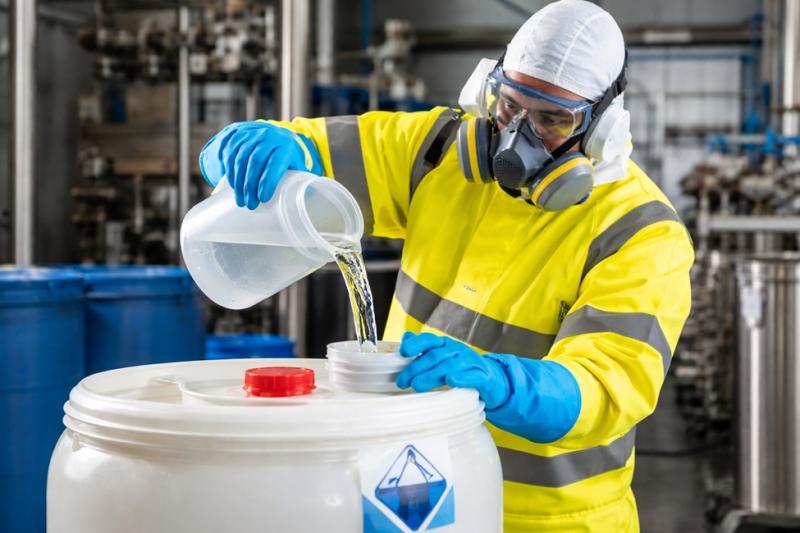
Phosphoric Acid is widely used across Australia in industries such as water treatment, agriculture, food processing, cleaning, and manufacturing. While it is a useful and effective chemical, it must be handled with care. Incorrect use or poor storage can lead to injuries, equipment damage, or environmental harm. Understanding how to work safely with this acid is important for workers, businesses, and even households that may use products containing it.
This guide explains practical and easy-to-follow safety tips
for Australians who handle, store, transport, or work near phosphoric acid. The
information is written in simple Australian English to support safe use across
different settings.
Understanding Phosphoric Acid
Phosphoric acid is a clear, odourless liquid with acidic
properties. It is less aggressive than some other industrial acids, yet it can
still cause burns and irritation if handled carelessly. In Australia, it is
commonly used for:
- Water
treatment and pH adjustment
- Fertiliser
production and agriculture
- Food
and beverage processing
- Metal
cleaning and rust removal
- Industrial
and commercial cleaning
Although it is considered a manageable acid, long-term
exposure or incorrect handling can result in serious health and safety issues.
Common Risks Associated with Phosphoric Acid
Before discussing safety measures, it is important to
understand the risks involved. Phosphoric acid can affect people in different
ways depending on how exposure occurs.
Skin and Eye Contact
Direct contact with phosphoric acid can cause skin
irritation, redness, or burns. Eye exposure is more serious and can lead to
pain, blurred vision, or long-term damage if not treated quickly.
Inhalation Risks
Breathing in mist or vapour from phosphoric acid can
irritate the nose, throat, and lungs. This risk is higher in enclosed spaces
with poor ventilation.
Ingestion Hazards
Accidental swallowing can cause burns to the mouth, throat,
and stomach. In severe cases, it can lead to internal injury and requires
urgent medical attention.
Personal Protective Equipment for Safe Handling
Using appropriate personal protective equipment is one of
the most effective ways to reduce risk.
Protective Clothing
Workers should wear acid-resistant gloves, long sleeves, and
protective aprons when handling phosphoric acid. This helps prevent direct skin
contact during pouring, mixing, or cleaning tasks.
Eye and Face Protection
Safety goggles or face shields are essential. Even small
splashes can cause serious eye injuries, so proper eye protection should always
be used.
Respiratory Protection
In workplaces where vapour or mist may be present, suitable
respiratory protection should be available. This is especially important in
confined or indoor environments.
Safe Storage Practices in Australia
Correct storage of phosphoric acid reduces the risk of
leaks, spills, and accidental exposure.
Suitable Containers
Phosphoric acid should be stored in clearly labelled,
corrosion-resistant containers. Containers must remain tightly sealed when not
in use.
Storage Location
Keep the acid in a cool, dry, and well-ventilated area.
Storage areas should be away from direct sunlight and heat sources. It should
also be kept separate from incompatible chemicals such as strong alkalis.
Restricted Access
Only trained staff should have access to phosphoric acid
storage areas. This reduces the risk of misuse or accidental exposure.
Handling and Mixing Safety Tips
Handling phosphoric acid safely requires focus and
preparation.
Careful Pouring and Transfer
When transferring phosphoric acid from one container to
another, do so slowly to avoid splashing. Use appropriate tools such as funnels
or pumps designed for acidic liquids.
Mixing With Water
When dilution is required, always add phosphoric acid to
water, not water to acid. This reduces the risk of heat build-up and splashing.
Avoiding Distractions
Handling acid demands attention. Avoid rushing tasks or
working while distracted, as mistakes can lead to spills or injury.
Workplace Ventilation and Safety Controls
Good ventilation is essential in any environment where
phosphoric acid is used regularly.
Adequate Airflow
Workspaces should have natural or mechanical ventilation to
remove vapours and mist from the air. This helps protect workers from
respiratory irritation.
Spill Containment Measures
Workplaces should have spill kits and neutralising agents
readily available. Staff should be trained to respond quickly and safely to
spills.
Safety Training
Regular safety training helps workers understand risks and
follow correct procedures. Training should include emergency response and first
aid measures.
First Aid Measures for Phosphoric Acid Exposure
Knowing what to do in an emergency can reduce injury
severity.
Skin Contact Response
If phosphoric acid encounters skin, rinse the area
immediately with plenty of clean water. Continue rinsing for several minutes
and seek medical advice if irritation continues.
Eye Exposure Response
In case of eye contact, flush the eyes with clean water for
at least fifteen minutes. Medical attention should be sought immediately after
rinsing.
Inhalation Response
Move the affected person to fresh air straight away. If
breathing difficulties occur, medical assistance is required.
Ingestion Response
If swallowed, do not induce vomiting. Rinse the mouth with
water and seek urgent medical help.
Transporting Phosphoric Acid Safely
Transporting phosphoric acid within Australia must be done
carefully to meet safety and regulatory expectations.
Secure Containers
Ensure containers are properly sealed and secured during
transport to prevent movement or leakage.
Clear Labelling
Transport containers should be clearly labelled with hazard
warnings. This helps emergency responders identify risks quickly in case of an
accident.
Compliance With Regulations
Businesses should follow Australian workplace safety and
transport regulations when moving phosphoric acid. Compliance reduces legal
risk and protects workers and the public.
Environmental Safety and Responsible Use
Phosphoric acid can affect soil and water if released into
the environment.
Preventing Spills
Spill prevention measures protect waterways, soil, and
surrounding areas. Regular equipment checks help reduce the risk of leaks.
Proper Disposal
Unused or waste phosphoric acid should be disposed of
according to local environmental guidelines. Improper disposal can cause
environmental damage and legal penalties.
Sustainable Practices
Using only the required amount and following correct
procedures supports responsible chemical use in Australia.
Safety in Agricultural and Domestic Use
Phosphoric acid is sometimes used in farming and
smaller-scale applications.
Agricultural Settings
Farm workers should follow the same safety principles as
industrial users. Protective gear and careful handling reduce health risks
during fertiliser or water treatment tasks.
Domestic Products
Some cleaning and maintenance products contain phosphoric
acid. Users should read labels carefully and follow safety instructions
provided by manufacturers.
Importance of Safety Awareness in Australia
Phosphoric acid plays a valuable role across many Australian
industries, yet safety must always come first. Awareness, training, and
responsible handling reduce the chance of injury, damage, and environmental
harm. Businesses that prioritise safety protect their workers and maintain
compliance with Australian standards.
By following proper storage, handling, protective equipment,
and emergency procedures, Australians can use phosphoric acid effectively while
minimising risk. Safe practices support healthier workplaces, safer
communities, and long-term sustainability across industrial, agricultural, and
domestic environments.
Post Your Ad Here
Comments