Sodium Nitrite Safety Guidelines for Australian Households
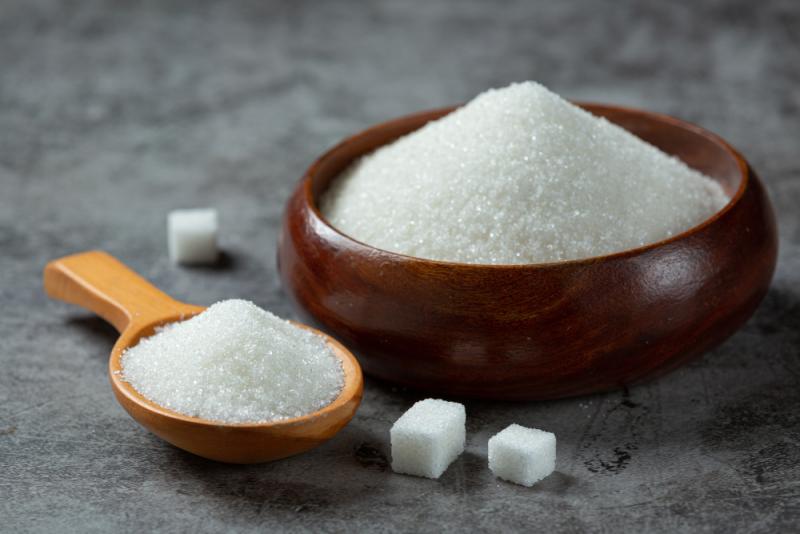
Many Australians may come across the phrase buy sodium nitrite when researching food preservation, cleaning products, or even
scientific experiments. While this compound has useful applications, it also
requires careful handling, especially when kept in homes. Sodium nitrite is a
powerful chemical, and knowing the right safety measures ensures protection for
both families and the wider community.
Understanding Sodium Nitrite
Sodium nitrite is a salt-like chemical substance most
recognised for its role in curing meats. It helps prevent bacterial growth,
preserves colour, and adds to food safety. However, beyond food use, sodium
nitrite also finds application in laboratories, industrial cleaning solutions,
textile treatments, and other chemical processes.
The compound is highly reactive and can pose risks if it is
misused or stored improperly. Awareness of its properties is the first step
towards using it safely in an Australian household environment.
Why Safety Matters?
The importance of safety cannot be overstated when handling
sodium nitrite. Even small quantities can cause serious health effects if
ingested, inhaled, or absorbed through the skin. Children and pets are
especially vulnerable, making it essential to establish strict rules for
storage and handling.
Australians also need to keep in mind that environmental
impacts can occur if sodium nitrite is disposed of carelessly. Chemicals washed
into drains can enter waterways and disturb aquatic life. This highlights why
proper disposal is just as important as safe storage.
Storage Guidelines for Homes
Storing sodium nitrite safely at home prevents accidental
exposure and maintains the integrity of the chemical. Consider the following
guidelines:
- Store
the compound in a tightly sealed container to prevent spills and moisture
absorption.
- Keep
the container in a cool, dry space away from direct sunlight or sources of
heat.
- Clearly
label the container so that no one confuses it with other household
substances.
- Place
the container out of reach of children and pets, ideally in a locked
cabinet.
By keeping sodium nitrite in secure and controlled
conditions, households reduce the risks of accidents significantly.
Handling Precautions
When handling sodium nitrite, personal protection is
critical. Even in small amounts, direct skin or eye contact can lead to
irritation. To ensure safety, Australians should:
- Wear
protective gloves to avoid skin exposure.
- Use
safety glasses when handling powdered or granulated forms.
- Work
in a well-ventilated space to minimise inhalation risks.
- Wash
hands thoroughly after handling, even when gloves are used.
Being mindful of cross-contamination is also important.
Utensils or containers used for sodium nitrite must never be repurposed for
food preparation.
Health Hazards to Consider
Sodium nitrite carries several health hazards if safety
rules are overlooked. Ingestion can result in poisoning, leading to dizziness,
nausea, abdominal pain, or more severe outcomes. Inhalation of dust may cause
irritation to the lungs and breathing difficulties. Direct contact with the
skin or eyes may lead to burns or redness.
Australian households need to understand the signs of
accidental exposure. If poisoning is suspected, immediate medical attention is
necessary. Emergency services should be contacted without delay, as
professional intervention is the safest approach.
Safe Disposal Practices
Disposal of sodium nitrite must never be treated casually.
Pouring it down the sink or placing it in general waste bins can have damaging
effects on both people and the environment. In Australia, local councils often
provide clear guidelines for disposing of hazardous chemicals. Households
should contact their waste management authority for advice on drop-off points
or collection events for dangerous substances.
By following regulated disposal methods, Australians
contribute to community safety and environmental protection.
Legal and Regulatory Considerations in Australia
In Australia, sodium nitrite is controlled under various
safety standards. The Australian Pesticides and Veterinary Medicines Authority
(APVMA), Food Standards Australia New Zealand (FSANZ), and Safe Work Australia
all provide frameworks on how chemicals such as sodium nitrite should be
managed.
Households should stay informed about these guidelines to
ensure they remain compliant. For example, using sodium nitrite for food
preservation at home may be restricted under food safety regulations.
Understanding these rules ensures households avoid legal risks while protecting
health.
Emergency Preparedness
Even with the best safety practices, accidents can occur.
Australian households should have an emergency response plan that includes:
- Storing
contact numbers for local poison hotlines and emergency services.
- Keeping
first aid supplies readily available.
- Educating
family members on what to do if exposure happens.
Quick action in emergencies can reduce the severity of
health outcomes. Training all household members on awareness builds a stronger
safety net.
Alternatives to Sodium Nitrite in the Home
For households that feel uncomfortable keeping sodium
nitrite on-site, there are alternatives. In food preservation, refrigeration
and vacuum sealing are effective for extending shelf life. Natural
preservatives such as salt, vinegar, or citrus extracts can also provide
protective qualities without the same level of risk.
Exploring safer alternatives can help Australian families
reduce reliance on sodium nitrite while maintaining desired results for their
intended uses.
Environmental Awareness
Beyond household safety, Australians are increasingly
mindful of the environment. Chemicals such as sodium nitrite, if released in
significant amounts, can contaminate soil and water. This contamination can
harm native wildlife and ecosystems. By storing and disposing of sodium nitrite
responsibly, households play their part in maintaining Australia’s
environmental health.
Community Education and Awareness
One of the best ways to enhance safety is through education.
Community programs, schools, and local organisations can play a role in
teaching households about chemical safety. By spreading awareness, fewer
accidents are likely to occur, and responsible practices become more common.
Australians have a shared responsibility to ensure hazardous
substances are used and managed correctly. Households can contribute by
discussing safety openly with neighbours, friends, and family, especially if
chemicals are part of their daily lives.
Final Thoughts
Sodium nitrite is a versatile compound with applications in
food preservation, cleaning, and industrial processes. However, it also carries
risks that require strict attention to safety. Australian households can
protect themselves, their families, and the environment by following simple yet
effective guidelines on storage, handling, disposal, and emergency
preparedness.
By treating sodium nitrite with respect and responsibility,
families can safely benefit from its uses while avoiding the dangers associated
with careless management. In the end, knowledge and caution are the strongest
safeguards.
Post Your Ad Here
Comments