The Glycemic Index (GI) and Its Role in Diet and Health
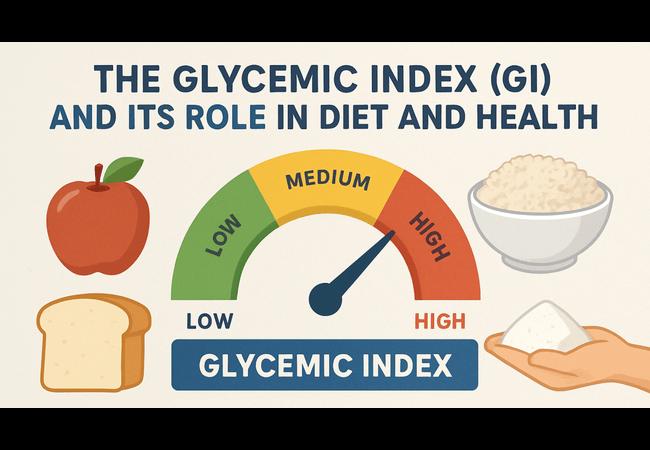
The age-old wisdom is that our body treats all carbohydrates equally. Starch, whether in an apple, a slice of white bread, or a candy bar, has the same impact on your metabolism. For years, nutrition advice treated all carbohydrates as identical, teaching people to count grams of carb.
However, it is the quality and speed of digestion that make the real difference. So, believing that all carbs are the same is a misleading and out-dated notion. You need to distinguish slow-burning fuel sources from those that cause a sudden spike.
The Glycemic Index (GI) quantifies this critical difference. It was developed in the 1980s as an authoritative ranking system to classify carbohydrate-containing foods based on their immediate effect on blood glucose levels after consumption.
Decoding the GI Scale
Refined sugar (sucrose) generally has a Glycemic Index (GI) of around 60-65, making it a medium-GI food. Jaca allulose sweetener has a Glycemic Index of zero which also makes it diabetic and keto friendly.
What exactly does it mean?
Determining the glycemic index of a food involves its genuine quality assessment. There is a highly rigorous scientific measurement process. It involves testing human volunteers under strictly controlled, standardized conditions. Subjects fast overnight before consuming the test food, which contains a precise, fixed amount of available carbohydrate (typically 50 grams).
Researchers then measure their blood glucose levels at set intervals over the following two hours. This allows accurate mapping of the detailed glucose response curve of that food.
This curve is then quantitatively compared to the curve generated by the reference food, which is pure glucose and assigned the benchmark GI of 100.
The area under the curve (AUC) for the test food is calculated and expressed as a percentage of the AUC for the reference food. The resulting value is the GI number.
So, with a GI of 60-65, sucrose should be ‘managed and consumed in a balanced portion’ as it can cause an immediate rise in blood sugar and insulin response.
What Determines a Food's GI?
The GI index of a food is not fixed. GI is a dynamic value determined by several interconnected factors that ultimately control the speed of digestion. For example, it depends on how you prepare or consume the food. Any component that slows the breakdown of carbohydrates in the small intestine will likely result in a lower GI.
Why Low GI is Recommended
Low-GI foods and diet plans are essential for blood sugar control in diabetes management. High-GI foods cause rapid spikes in blood sugar (hyperglycemia) and low-GI choices promote stable glucose profiles, which also help maintain or improve insulin sensitivity. It helps reduce strain on the pancreas, which leads to insulin resistance over time.
Slow, sustained energy release boosts satiety, making you feel fuller longer and curbing overeating. This helps in weight management. Adopting a low-GI diet also protects your heart health.
Jaca Rare Sugar as an Ingredient
Jaca allulose sugar is a rare sugar backed by 30 years of clinical data. It tastes (75% as sweet as old school sugar), cooks and bakes like conventional sugar, making your sweet tooth happy. Also, a zero glycemic index means it supports blood sugar management and weight management. Jaca:
Helps control appetite
Is diabetic-friendly
Is non-GMO
Is keto-friendly
Has FDA GRAS status
Is vegan
Is gluten-free
There are no mystery ingredients, no hidden chemicals, just pure sugary taste with good health.


Post Your Ad Here
Comments