Is Your Beverage Recipe Ready For Commercial Production?
You’ve nailed the flavor. Your friends love it. Everyone who’s tried your drink says, “You should sell this!”
But moving from a small-batch recipe to full-scale production is a completely different challenge. It’s about consistency, safety, shelf stability, cost efficiency, and compliance.
Let’s walk through what it really takes to turn your beverage idea into a commercial success.
What “Commercial Production” Means
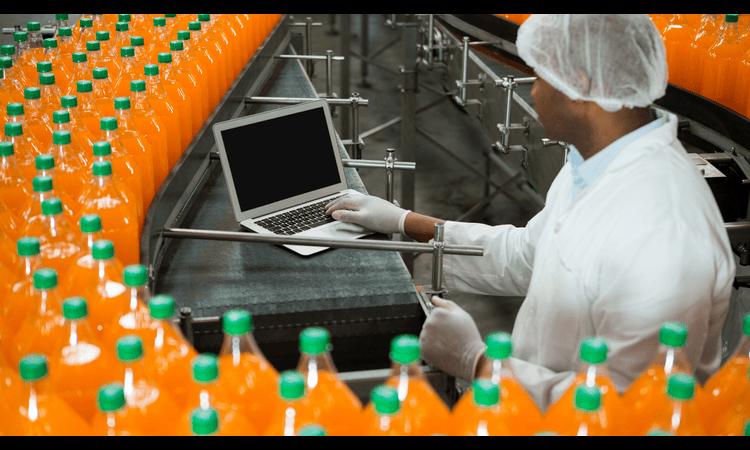
When we talk about commercial production, we’re talking about making your product on a larger scale—dozens, hundreds, or thousands of bottles at a time—without losing quality or flavor.
That means every ingredient, every process, and every measurement needs to be standardized. If you’re still eyeballing ingredients or relying on taste tests alone, it’s time to document everything. Commercial manufacturers need a precise, reproducible formula.
Step-By-Step: How To Get Your Beverage Ready For Commercial Production
Moving from a kitchen formula to large-scale production takes more than scaling quantities. Each step below ensures your beverage is safe, consistent, and ready for the market.
Step 1: Start With Ingredient Assessment
Not every ingredient in your kitchen will hold up during production or over time on store shelves. You’ll need to evaluate:
Shelf stability: Will your ingredients separate, spoil, or lose color/flavor over time?
Sourcing: Can your chosen ingredients be purchased in bulk consistently and affordably?
Compatibility: Will they interact well under pasteurization or other preservation processes?
Allergen control: Are you following FDA labeling and allergen declaration standards?
For example, natural fruit juices can ferment if not treated correctly. Sweeteners may react differently at high temperatures. Even water quality matters — its mineral content can subtly alter taste.
Step 2: Check for Safety and Shelf Life
Food safety is non-negotiable. Before you launch, your beverage needs to pass microbial and stability testing. This ensures it remains safe for consumption and tastes great even months after production.
You’ll likely need to run:
pH and water activity tests
Microbial testing for harmful bacteria or yeast
Accelerated shelf-life testing to simulate long-term storage
If you’re new to this, collaborating with food and beverage consultants can save you time, money, and mistakes. They understand these standards and can guide you through the maze of testing and compliance.
Step 3: Don’t Skip Regulatory Compliance
The FDA, USDA, and local health authorities all have strict requirements for beverages — especially if they include novel ingredients or health claims.
You’ll need to ensure your label meets:
Nutrition facts accuracy
Ingredient statement clarity
Allergen declarations
Claim verification for “organic,” “low sugar,” or “natural”
Even small details like font size or label placement can matter. Getting this right prevents costly errors and builds consumer trust.
Step 4: Optimize Your Production Process
Commercial production isn’t just about scaling up your recipe — it’s about creating a repeatable, efficient process.
Ask yourself:
Can your recipe be produced with standard equipment?
Will you need special machinery or packaging?
How do temperature or mixing speeds affect the final product?
This is where a food manufacturing consultant can be invaluable. They’ll help you refine your process, recommend equipment, and ensure consistency from the first batch to the last.
Step 5: Consider Packaging and Distribution Early
Your packaging is more than just visual appeal — it affects shelf life, storage, and shipping.
Think about:
Material choice: Plastic, glass, or aluminum?
Design: Shape, size, and ergonomics for both consumers and logistics.
Label durability: Can it handle moisture or refrigeration?
Distribution is equally important. Will your product need refrigeration or temperature control during transport? These details can impact your costs and product quality.
Final Check: Cost And Profitability
Before you launch, analyze your cost of goods sold (COGS). That includes:
Ingredient cost per batch
Packaging and labeling
Manufacturing labor and overhead
Distribution and storage costs
If your production costs are too high, it might be time to revisit ingredient sourcing or manufacturing methods. Small adjustments can make a big difference in your margins.
Final Thought
Getting your beverage recipe ready for commercial production takes more than passion—it takes planning, testing, and expertise. By understanding the science, the regulations, and the market realities, you’ll be setting your drink up for success long before it ever hits the shelf.
The best part? Once your formula is production-ready, the path from idea to shelf becomes a lot smoother—and your beverage brand starts to feel like a real business.
Post Your Ad Here
Comments