How to Choose the Right Condensing Unit for Commercial Use
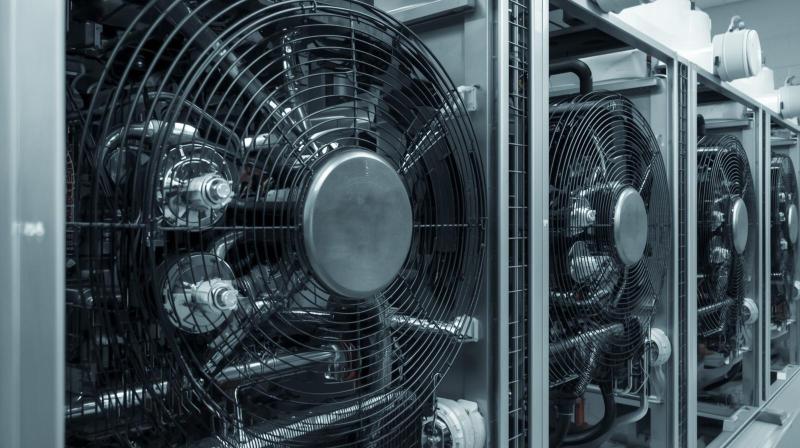
Condensing units help keep many commercial operations running smoothly. In supermarkets, they power refrigeration systems that preserve perishable goods and maintain freshness.
Restaurants rely on HVAC package units for walk-in coolers and freezers to store large volumes of food at safe temperatures. In office buildings, condensing units are key components of heating, cooling, and ventilation systems that regulate indoor climate to keep employees comfortable and prevent equipment from overheating.
Convenience stores and florists also depend on this equipment for cold storage and display cases.
Without properly functioning condensing units, businesses risk product spoilage, equipment failure, and significant energy efficiency losses. These systems work quietly in the background, but their impact is huge for many commercial facilities.
Selecting the Ideal Condensing Unit for Your Facilities
If you are upgrading your current condensing unit or buying one for the first time, below are some tips to help you choose the best equipment for your facilities:
Consider the location and size of your facilities.
The location of your business premises can affect the equipment’s performance. If your facilities are located somewhere warm, you need a unit that can work efficiently even when temperatures become extremely hot.
In such locations, a unit with oversized condensers and weatherproof enclosures with efficient fans is required. These features ensure you have reliable equipment regardless of the temperature.
Consider the other environmental conditions as well. Altitude, humidity levels, and exposure to corrosive elements can affect the unit’s performance and life span.
If you are installing the condensing unit in a cold room, consider its size, insulation type, the heat generated inside by lighting and stored goods, and the amount of warm air it receives. The equipment should be able to manage the area’s heat load to keep the products in good condition.
Match the unit to the products to be stored.
Different products have various temperature and humidity requirements, so you must match the condensing unit to what you need to store in the cold room. For example, meat and seafood need colder, more consistent temperatures than fresh produce, which may require more moderate cooling and airflow.
Frozen goods require low-temperature units with enough power to maintain sub-zero conditions, especially during restocking.
A condensing unit that is too powerful for the application can cause short cycling, stress the system, and waste energy.
Conversely, equipment that is too weak will not maintain proper temperatures, which can risk product quality and safety.
Because of these reasons, consider the products to be stored when investing in a condensing unit to ensure you get the right one.
Choose an energy-efficient unit.
Investing in energy-efficient equipment helps reduce your operating expenses and environmental impact. As such, select a unit with an energy certification label, particularly one with a high seasonal energy efficiency ratio (SEER) or energy efficiency ratio (EER) rating.
Condensing units with high SEER or EER ratings use less electricity and usually have energy-saving controls, variable-speed compressors, and fans. They may also have temperature sensors and energy-efficient defrost systems.
Read customer reviews and feedback to verify the energy efficiency of the unit you’re considering.
Know the installation and maintenance requirements.
Before buying the unit, make sure it fits into the area where you plan to install it. It should also have proper ventilation and be easily accessible when it needs to be repaired, cleaned, and maintained.
Find out beforehand if installation is included in the HVAC package unit or if it comes at an additional cost.
Understand the equipment’s maintenance requirements to lower possible downtime and repair expenses. Ask how often it needs to be checked and maintained annually, and if replacement parts are readily available.
Check the manufacturer’s reputation.
Condensing units from well-known, trusted manufacturers undergo strict quality control and meet international standards. Because of this, they are more durable and provide more reliable performance.
These units tend to come with better documentation, service networks, and parts availability. Established manufacturers also provide reliable customer and technical support.
Research the company’s track record and look for customer reviews to ensure you purchase the right equipment for your specific needs.
Ask about the warranty.
Before signing off on the condensing unit, ask the sales staff what the warranty covers and for how long. Find out if it covers both parts and labor, and ask about the important terms and conditions you should know beforehand.
Some warranties cover components differently, so read the fine print or have someone walk you through it. A longer or more comprehensive warranty usually signals higher quality, but it also shows the company is willing to stand behind its equipment.
If possible, ask for a copy of the warranty so that you can read the details and decide if the unit is worth investing in.
Remember that this warranty is not just a paperwork formality; it’s an additional tool that helps protect your investment and reduce future disruptions.
A properly selected condensing unit supports your other equipment and the entire business workflow. When cooling is dependable, your products stay protected, allowing you and your team to focus on your more important responsibilities.
As such, take the time to study your options and choose the most suitable unit for your facilities to get more out of your investment.
Post Your Ad Here
Comments