Media Training: An Essential Preparation Step for Your First Press Conference
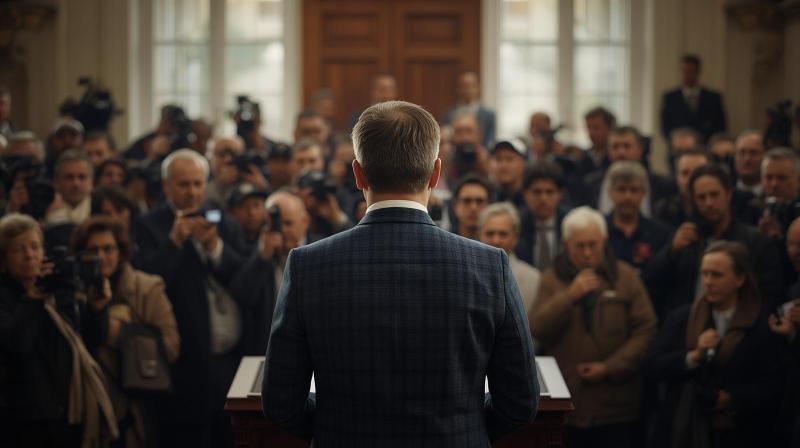
Public speaking can be intimidating, but knowing how to manage a press conference can turn it into an opportunity to shine.
Media training in Dubai can help you manage the pressure and handle tough questions. It can also give you the confidence you need to stay calm and collected throughout the event.
Why Media Training Is Crucial for Your First Press Conference
When speaking in a press conference, remember that it’s all about managing the situation effectively. Media training helps you stay composed, deliver your message clearly, and respond to tough questions with confidence.
You’ll learn techniques to control the flow of conversation and ensure you stay focused on the key points. The right training program prepares you for anything, making sure you don’t get sidetracked or overwhelmed.
Overcoming Nervousness: Tips for Staying Calm in a Press Conference
It’s totally normal to feel nervous before facing the media. However, the appropriate training provides you with the tools to keep your nerves in check. You can reduce stress and be more at ease through relaxation techniques like deep breathing and simple body language adjustments.
Something as simple as standing up straight or maintaining eye contact can make you feel more in control. Media training doesn’t just teach you what to say—it helps you feel confident and in charge of your own presence.
Key Media Training Techniques for Managing Difficult Questions
One of the toughest parts of any press conference is handling challenging questions, especially when they are unexpected. Training prepares you to stay calm and respond in a way that keeps the conversation on track.
During your training, you'll learn techniques for doing this. An example of this is bridging, which lets you steer a difficult question back to your message.
Whether the question is tough or hostile, media training helps you take control and turn the situation to your advantage.
How to Communicate Clearly and Effectively During Your First Press Conference
When you're in front of an audience, clarity is everything. Media training helps you learn how to structure your answers in a way that’s easy to follow.
By staying on topic and keeping your message clear, you make it easier for the audience to understand and remember what you’re saying.
You'll also practice speaking at the right pace and tone to ensure you effectively engage with your audience.
The Importance of Body Language During Your Press Conference
Your body language plays a crucial role in how your message is perceived in public speaking.
Media training teaches you to be aware of your facial expressions, gestures, and posture when speaking. Simple adjustments, such as standing tall and keeping your shoulders back, can help you project confidence and authority.
Good body language reinforces what you’re saying, making you appear more trustworthy and composed in the spotlight.
Frequently Asked Questions
Discover other must-know facts about media training below:
How can media training help me improve my social media presence during a public relations crisis?
Media training isn't just for traditional press conferences—it can also enhance your social media presence. During a PR crisis, your online communications must be just as measured as those in front of the camera. A good program can teach you how to craft concise, clear messages that align with your brand, ensuring your social media responses remain calm, strategic, and consistent with your overall messaging.
What specific skills do you gain from a media training course for handling a press conference?
A media training course for press conferences will teach you essential skills like controlling the flow of conversation, bridging to key messages, and answering difficult questions without deviating from your main points. You'll also learn non-verbal communication strategies, including posture, facial expressions, and eye contact, that reinforce your message.
How do I prepare for a hostile media environment through media training techniques?
Media training teaches you how to stay calm, even when faced with a hostile or aggressive interviewer. By learning how to stay on message and control the direction of the conversation, you can prevent being caught off guard or pressured into answering uncomfortable questions. Practicing how to turn difficult questions into opportunities to deliver key points is a critical part of the training.
How does media training differ for executives versus spokespersons or employees?
Executives, spokespersons, and employees may receive media training, but the approach must be tailored to their specific roles and responsibilities. Executives often require training in managing high-level strategic communication and navigating media scrutiny. Spokespersons may focus more on providing quick, concise responses and developing public speaking skills.
Employees can benefit from training on staying on message and managing unexpected questions.
How do media training programs adapt to different global media environments?
These programs can be modified to meet the demands of global media environments by focusing on cultural nuances, media practices, and regional expectations. Trainers can teach you how to navigate local media landscapes and adapt messaging to different cultural contexts. This allows you to handle media interactions no matter where you are.
Your first press conference doesn’t have to be daunting. With the right media training, you can handle any challenge that comes your way.
Post Your Ad Here
Comments