The Evolution Of Golf Carts Into Multi-Purpose Vehicles
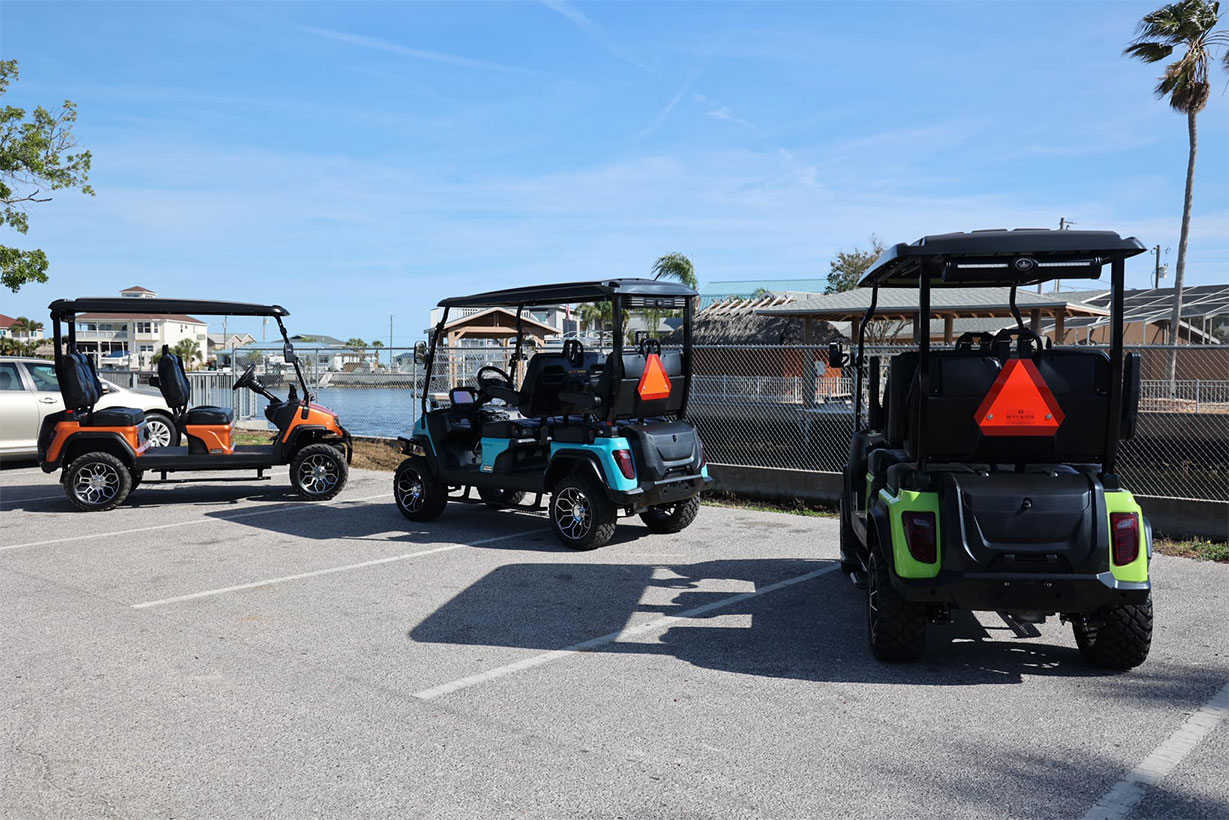
Golf carts have undergone a remarkable transformation over the years. Once limited to transporting players and equipment across golf courses, they have evolved into versatile vehicles used in many aspects of daily life. This shift reflects changing transportation needs, more innovative design, and a growing demand for efficient short-distance mobility. As the demand for adaptable local transportation grows, E3 Vehicles illustrates how modern golf carts are engineered to function as reliable multi-purpose vehicles for work, leisure, and everyday mobility.
From Course Utility To Everyday Convenience
The original purpose of the golf cart was simple. It provided an easy way to move golfers between holes without physical strain. Early designs focused on basic functionality, limited speed, and minimal features. As communities and recreational spaces expanded, people began to recognize that these compact vehicles could serve far more purposes than originally intended.
Neighborhoods, resorts, and large properties soon adopted golf carts as a convenient way to move people and supplies. Their small size and ease of use made them ideal for environments where full-sized vehicles were unnecessary or impractical.
Advancements In Design And Technology
Modern golf carts are vastly different from their early counterparts. Improvements in battery technology, motor efficiency, and overall construction have increased reliability and performance. Electric models now offer longer driving ranges and consistent power, making them suitable for regular daily use.
Design enhancements have also played a key role in this evolution. Modern carts frequently have enhanced suspension, cozy seats, cutting-edge steering, and intuitive controls. These upgrades have made golf carts feel less like specialty equipment and more like purpose-built vehicles for everyday tasks.
Expanding Roles In Work Environments
One of the most significant changes has been the adoption of golf carts in professional and commercial settings. Facilities such as campuses, warehouses, event venues, and residential communities rely on carts for maintenance, security, and logistics. Utility-focused models include cargo beds, tool storage, and reinforced frames that support work-related demands.
This adaptability has allowed organizations to replace larger vehicles for on-site travel, reducing operating costs while improving efficiency. Golf carts now function as essential tools rather than optional conveniences in many work environments.
Enhancing Leisure And Lifestyle Use
Beyond work, golf carts have become popular lifestyle vehicles. Families and individuals use them for short trips, social visits, and recreational outings. Customization options allow owners to tailor carts for comfort and style, adding features such as enclosures, lighting, audio systems, and enhanced seating.
This personalization has expanded the appeal of golf carts, turning them into leisure vehicles that complement relaxed, community-focused living. They are no longer viewed as limited-use machines but as enjoyable transportation options that enhance everyday experiences.
Supporting Sustainable Transportation Trends
As sustainability becomes a greater priority, golf carts align well with eco-conscious transportation goals. Compared to conventional cars, electric carts use a lot less energy and emit no direct emissions while in use. Their quiet performance also contributes to reduced noise levels in residential and recreational areas.
Communities focused on environmental responsibility have embraced golf carts as part of a broader effort to reduce traffic impact and promote cleaner local travel. This shift further reinforces their role as practical multi-purpose vehicles.
Adapting To Safety And Accessibility Needs
Safety and accessibility have also influenced the evolution of golf carts. Many modern models include features such as lighting systems, mirrors, seat belts, and improved braking. These enhancements support responsible use in shared spaces and low-speed environments.
Golf carts are also accessible to users of different ages and physical abilities. Their simple operation and comfortable design make them an inclusive mobility option, particularly in areas where walking long distances may be challenging.
A Versatile Future Ahead
The evolution of golf carts reflects a broader change in how people think about transportation. Rather than relying on one vehicle for every situation, there is growing recognition of the value in matching vehicles to specific needs. Golf carts have proven their ability to adapt, serving roles that range from work support to leisure travel and everyday mobility.
As technology continues to advance and communities prioritize efficiency and sustainability, golf carts will remain an important part of local transportation solutions. Their journey from course-only use to multi-purpose vehicles highlights how thoughtful design and changing lifestyles can redefine the role of a vehicle in modern life.
Post Your Ad Here
Comments