Cost Factors in Water Damage Restoration: What Homeowners Should Expect
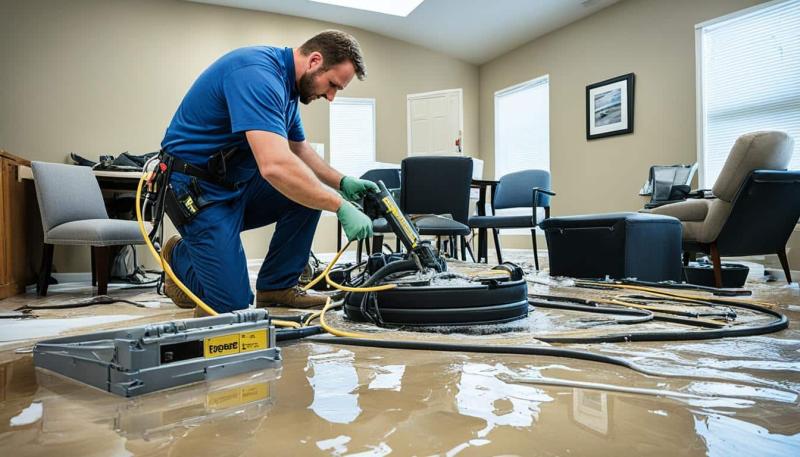
Water damage can occur suddenly, leaving homeowners overwhelmed by the cleanup and repair process. Whether caused by flooding, leaking pipes, roof issues, or appliance failures, the aftermath requires quick action to prevent further harm. One of the biggest questions people face during this stressful time is how much the recovery will cost. Knowing how water damage repair companies set their prices helps people make smart choices and get ready for the work that needs to be done.
Extent of the Damage
The first and most significant factor affecting restoration costs is how widespread the damage is. A small leak that has only affected one corner of a room will cost far less to repair than a flooded basement or an entire level of a home that has absorbed water. Professionals assess the square footage involved, the depth of the water, and how far moisture has traveled beneath surfaces. The more water that has spread, the more time and labor are required to extract, dry, and restore the area.
Type of Water Involved
Not all water is the same, and its source impacts both the method and the cost of restoration. Clean water from a burst pipe is the least complicated to manage. Gray water comes from sinks, showers, and washing machines, and can contain harmful chemicals. It needs to be handled more carefully than other types of water. Black water, typically caused by sewage backups or natural flooding, is the most hazardous and requires strict safety protocols, full sanitization, and often removal of materials like flooring and drywall. As the level of contamination increases, so does the cost of water damage restoration due to the need for protective gear, advanced equipment, and thorough disinfection.
Drying and Dehumidification Needs
After water extraction, drying the property is essential to prevent mold growth and structural deterioration. The equipment required depends on the amount of water present and the building materials affected. Hardwood floors, insulation, and wall interiors often take longer to dry and may need specialized tools to remove trapped moisture. Homes with high humidity or limited ventilation may require extra drying days, which increases overall costs. Restoration teams typically place industrial air movers, dehumidifiers, and moisture meters to ensure complete drying before repairs begin.
Material Removal and Replacement
Some materials can be saved, while others must be removed. Carpet, padding, drywall, baseboards, and insulation often absorb water quickly and are difficult to restore once saturated. The choice between repair and replacement plays a major role in determining the final expense. For example, drying and treating hardwood floors may be more cost-effective than replacing them entirely, depending on the severity of the damage. Homeowners should expect restoration technicians to provide clear recommendations based on safety, structural integrity, and long-term durability.
Labor and Equipment Requirements
The complexity of the project affects the number of technicians needed and the type of equipment used. Severely damaged homes may require teams working for several days, especially if mold remediation or structural repairs are necessary. Each additional step increases the total cost. High-powered extraction pumps, infrared cameras, large dehumidifiers, and antimicrobial treatments may also be needed depending on the situation.
Time Required for Full Restoration
Speed is critical in water-related emergencies. The longer water sits, the more expensive the restoration becomes. Prompt action can prevent mold, save materials, and reduce structural issues. Delays may result in more serious damage behind walls or beneath flooring, extending the time and cost needed for recovery. Homeowners who act quickly often benefit from lower restoration expenses and fewer long-term complications.
Insurance Coverage Considerations
A lot of home insurance plans cover water damage that happens suddenly and by mistake, but the coverage depends on the cause. Understanding policy details can help reduce out-of-pocket expenses. Restoration companies often assist with documentation, photos, and reports to support insurance claims, helping homeowners receive the compensation they’re entitled to.
Final Thoughts
While the cost of water damage restoration can vary widely, knowing the factors that influence pricing helps homeowners approach the process with clarity and confidence. By understanding the extent of damage, the type of water involved, the required equipment, and potential repairs, homeowners can better prepare for the restoration journey. Quick action, quality service, and clear communication with professionals make all the difference in restoring a home safely and efficiently.
Post Your Ad Here
Comments