How Tyre Pressure Affects Daily Driving
Tyre pressure plays a quiet but very real role in daily driving. Many drivers focus on fuel, oil changes, and brake checks, yet tyres often get less attention. The air inside a tyre affects how the car feels on the road, how much fuel it uses, and how long parts last. Driving with the right pressure helps keep control steady and wear predictable. Driving with the wrong pressure can cause problems that build up over time.
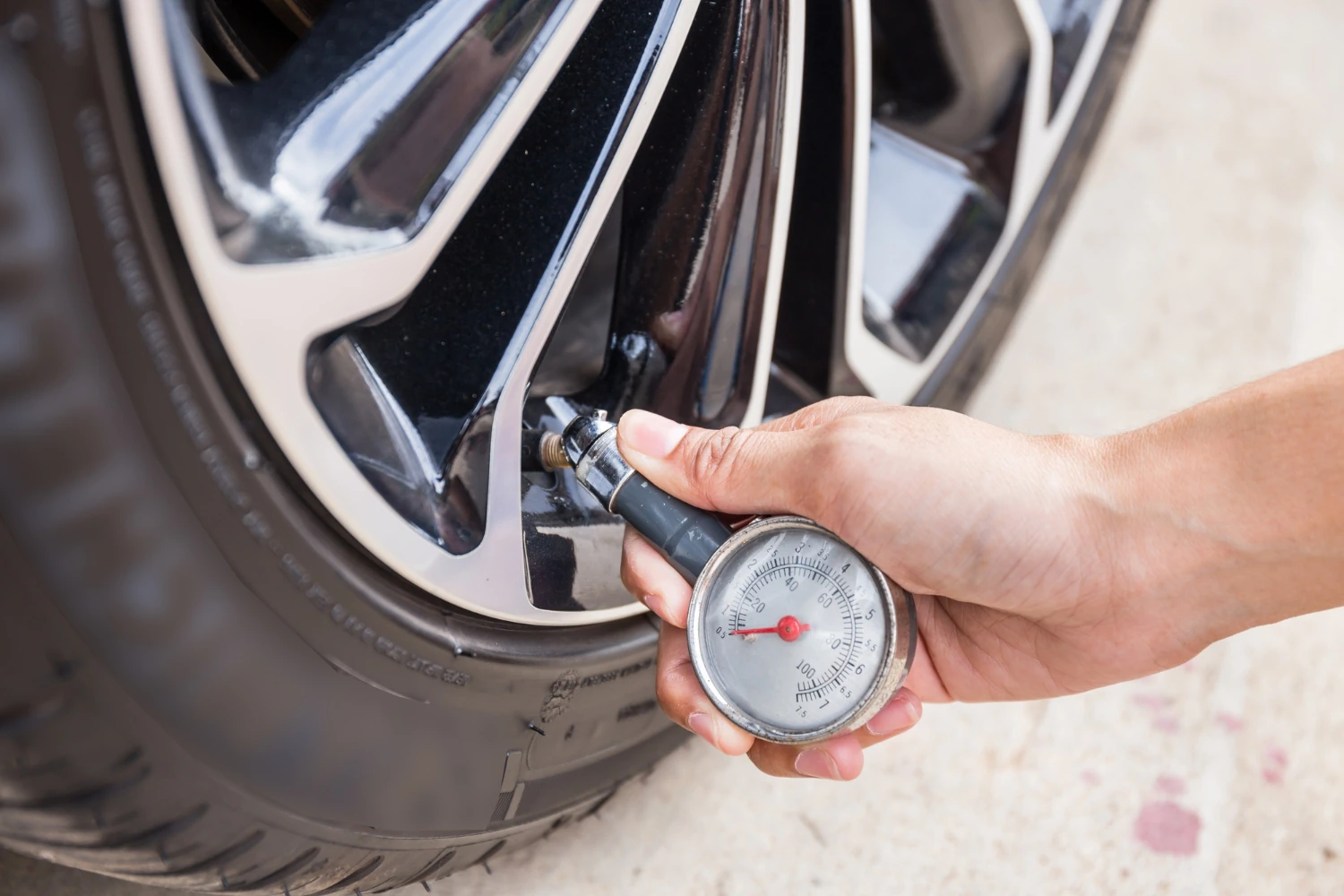
This article explains how tyre pressure affects daily driving, using clear facts and real driving situations seen on Australian roads.
What Tyre Pressure Means
Tyre pressure is the amount of air inside a tyre. It is measured in PSI, which stands for pounds per square inch. Each car has a recommended pressure set by the manufacturer. This number is based on vehicle weight, suspension design, and tyre size.
The correct pressure is often found on a sticker inside the driver door or in the owner manual. It is not the same number printed on the tyre sidewall. That sidewall number shows the upper air limit, not the daily driving level.
How Correct Tyre Pressure Supports Daily Driving
When tyres are inflated to the right level, the car behaves as expected. Steering feels steady. Braking distance stays within design limits. The tyre tread meets the road evenly.
Correct pressure also helps tyres wear at a normal rate. The centre and edges of the tread share the load. This balance keeps grip steady during turns, stops, and lane changes. On busy city roads, this balance matters more than many drivers realise.
What Happens When Tyre Pressure Is Too Low
Low tyre pressure is common, especially during cooler months. Air contracts as temperatures drop, which can lower pressure without warning.
Underinflated tyres create more rolling resistance. The engine works harder to move the car. Fuel use increases. Studies show that tyres underinflated by just ten percent can raise fuel use by around three percent.
Low pressure also affects handling. The steering may feel heavy. The car may feel slow to respond during turns. On wet roads, the tyre can struggle to clear water, raising the risk of sliding.
Tyre wear becomes uneven. The outer edges wear faster than the centre. This shortens tyre life and leads to earlier replacement.
What Happens When Tyre Pressure Is Too High
Overinflated tyres have their own set of issues. When pressure is too high, the centre of the tread carries most of the load. This reduces the contact area with the road.
Ride comfort drops. Small bumps feel sharper. The car may feel unsettled on rough surfaces. On Australian roads with mixed surfaces, this can become tiring during daily travel.
Grip also reduces. During sudden stops, tyres may lose traction sooner. In hot weather, high pressure can rise further, which increases strain on the tyre structure.
Tyre Pressure and Fuel Use
Fuel use links closely to tyre pressure. Properly inflated tyres roll with less resistance. This helps the engine maintain speed with less effort.
According to motoring groups in Australia, keeping tyres at the recommended level can save several litres of fuel over a year of regular driving. For drivers who travel daily, this saving adds up without any change in driving style.
Tyre Pressure and Safety on Australian Roads
Safety depends on predictable handling. Tyre pressure affects how quickly a car responds during emergency moves. It also affects braking distance.
Research from road safety bodies shows that poor tyre condition, including incorrect pressure, contributes to road incidents each year. While pressure alone may not cause an accident, it reduces the margin for correction when something unexpected happens.
Wet roads, gravel shoulders, and sudden stops demand proper tyre grip. Correct air pressure supports that grip.
How Weather Changes Tyre Pressure
Australian weather shifts across seasons and regions. Cold mornings reduce tyre pressure. Hot afternoons raise it.
A pressure drop of one to two PSI during winter is common. This means a tyre set correctly in summer may run low during colder months. Checking pressure at least once a month helps manage these changes.
Tyres should be checked when cold, before driving. Heat from driving raises pressure and gives false readings.
How Often Tyre Pressure Should Be Checked
Monthly checks suit most daily drivers. Long trips, heavy loads, or towing require extra attention. Pressure should also be checked after hitting potholes or kerbs.
Modern cars may have tyre pressure monitoring systems. These systems warn when pressure drops too far. They do not replace manual checks. They often trigger only after pressure is already well below the safe range.
Tyre Pressure and Vehicle Wear
Incorrect pressure affects more than tyres. Suspension parts face extra strain. Steering components wear unevenly. Alignment can shift over time.
These issues increase repair costs as the car ages. Regular tyre checks help slow this wear pattern. Small actions taken early often prevent larger issues later.
When Tyre Pressure Signals Bigger Car Decisions
As cars age, tyre issues may appear more often. Frequent pressure loss can signal rim damage or valve wear. Combined with other problems, this can point to rising upkeep demands.
At this stage, some owners review their options. One practical path is to Sell my Car for Cash Brisbane service that handles unwanted vehicles. This approach suits cars where ongoing costs outweigh daily use. It ties into tyre care because rising tyre and maintenance costs often signal that a car is nearing the end of its useful driving life.
Final Thoughts on Tyre Pressure and Daily Driving
Tyre pressure shapes how a car drives, stops, and uses fuel. It affects safety, comfort, and long-term running costs. Most pressure problems start small and grow through neglect.
Checking tyres takes only a few minutes each month. This habit supports steady driving and helps avoid avoidable wear. For daily drivers across Australia, tyre pressure remains one of the most overlooked parts of car care, even though its impact reaches every trip.
Post Your Ad Here
Comments