Tyre Pressure Guide: Why It Matters and How to Check It
Tyres are one of the most important parts of any vehicle, yet they are often ignored until something goes wrong. The pressure inside a tyre may seem like a small detail, but it affects almost everything from safety to fuel use. Driving with tyres that are not properly inflated can shorten their lifespan, make steering harder, and even increase the risk of accidents.
This guide explains why tyre pressure matters, how to check it, and what can happen if it is left unchecked.
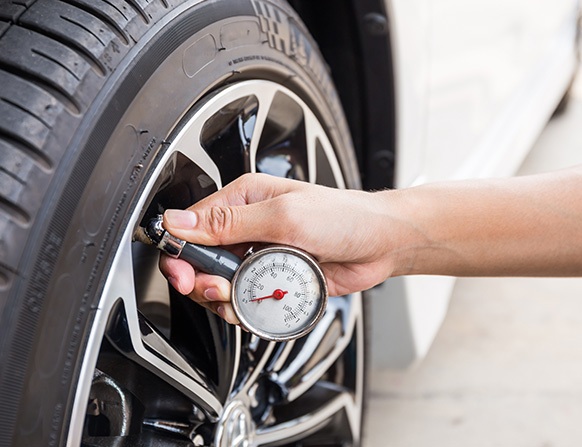
Why Tyre Pressure Matters
The air pressure inside your tyres supports the weight of the car and ensures that it grips the road properly. When the pressure is correct, the tyres perform as they should, keeping the ride smooth and the car stable.
Incorrect pressure, whether too high or too low, can cause several issues that go beyond comfort.
1. Safety on the Road
Under-inflated tyres create more friction with the road, which makes them overheat faster. This increases the chance of a blowout, especially on long drives or in hot weather. Over-inflated tyres, on the other hand, reduce contact with the road, which can make braking and handling less effective.
Both situations can make it harder to control the car in an emergency.
2. Fuel Use
When tyre pressure is low, the car’s engine has to work harder to move it forward. According to data from the Australian Automobile Association, tyres that are just 20% below their recommended pressure can increase fuel use by about 10%. That means more fuel costs over time. Keeping tyres at the right level helps your car roll smoothly, using less energy and less fuel.
3. Tyre Lifespan
Tyres that are not inflated properly wear unevenly. The edges wear down faster when the pressure is low, while the centre wears out sooner if the pressure is too high. Both situations can cause early replacement, which can be costly. A well-maintained tyre can last up to 40,000 kilometres, depending on the type and driving conditions.
4. Ride Comfort
The right tyre pressure also affects how comfortable the ride feels. If the pressure is too low, the car can feel heavy and unsteady. If it is too high, the ride can feel stiff and bumpy. Proper inflation helps balance comfort with control.
How to Find the Correct Tyre Pressure
Each car has its own recommended tyre pressure, usually measured in PSI (pounds per square inch) or kPa (kilopascals).
You can find this information in one of the following places:
-
Inside the driver’s door frame
-
On the inside of the fuel flap
-
In the car’s owner’s manual
Most passenger cars in Australia require between 30 and 35 PSI, but always follow the exact number listed for your vehicle. Tyres that are slightly above or below this range can still affect performance and safety.
When and How Often to Check Tyre Pressure
It is important to check tyre pressure at least once every two weeks. Tyres naturally lose small amounts of air over time, even if there are no leaks. Changes in temperature can also affect the readings — for example, cold weather can reduce pressure slightly, while hot conditions can raise it.
It is best to check the tyres:
-
When they are cold (before driving or after the car has been parked for a few hours)
-
Before long trips
-
After carrying heavy loads or towing
Step-by-Step: How to Check Tyre Pressure
1. Use a Tyre Pressure Gauge
You can buy a simple digital or analogue pressure gauge from an auto shop or service station. Many petrol stations also provide public air pumps with built-in gauges.
2. Find the Recommended Pressure
Refer to your car’s label or manual to confirm the correct PSI for both front and rear tyres. Some cars require different pressures for each end.
3. Remove the Valve Cap
Unscrew the small cap on the tyre’s valve stem. Keep it somewhere safe while you take the reading.
4. Check the Pressure
Press the gauge firmly onto the valve until you hear a brief hiss of air. The display or dial will show the current reading.
5. Adjust as Needed
If the reading is lower than recommended, use an air pump to add air until you reach the right level.
If it is higher, release some air by pressing the valve pin slightly and recheck.
6. Replace the Valve Cap
Always screw the cap back on to stop dirt or moisture from entering the valve.
7. Do Not Forget the Spare Tyre
Many drivers forget to check the spare tyre, but it is just as important. A flat spare will not be of any help in an emergency.
Signs Your Tyre Pressure Might Be Wrong
Sometimes you can tell there is an issue even without a gauge. Common signs include:
-
The steering feels heavier than normal.
-
The car pulls slightly to one side.
-
The tyres squeal during turns.
-
Uneven wear marks appear on the tread.
-
The ride feels bumpier or less stable than usual.
If any of these appear, it is wise to check the pressure immediately.
The Role of Weather in Tyre Pressure
Australia’s climate can vary widely between states, and temperature changes can make tyre pressure rise or fall. As a rough rule, pressure drops by about 1 PSI for every 5°C decrease in temperature. This means a tyre filled correctly in summer could be under-inflated by winter.
In hotter months, air expands, so it is important not to overfill tyres. Always check them early in the morning before the heat of the day changes the reading.
What Happens If You Ignore Tyre Pressure?
Neglecting tyre pressure might not cause problems right away, but it slowly affects the car’s safety and performance. The tyres may start to wear down faster, increasing the chance of punctures or blowouts. Handling becomes less predictable, especially during rain or when cornering at higher speeds.
Over time, poor pressure can also damage suspension parts and reduce fuel efficiency. It is a small task that can prevent major repair costs later.
When to Replace or Inspect Tyres
Tyres should be inspected regularly for cracks, uneven wear, or low tread depth. In Australia, the legal minimum tread depth is 1.5 millimetres, but it is safer to replace tyres before they reach that point.
Rotating the tyres every 10,000 kilometres helps them wear evenly and extends their life.
Relating Tyre Care to Selling a Car
Maintaining tyre pressure is not only about safety or comfort. It can also make a car more appealing if you plan to sell it. Buyers often check tyre condition to judge how well the vehicle has been maintained. Proper tyre care shows that the car has been looked after responsibly, which can make it easier to sell and even improve its resale price.
If you ever plan to Sell My Car for Cash Brisbane, you can explore reliable local options that make the process simple and transparent. They allow you to get fair value for your vehicle, whether it is old, damaged, or no longer needed. Keeping your tyres and other parts in good shape helps ensure your car looks ready for its next owner.
Final Thoughts
Maintaining correct tyre pressure may seem minor, but it makes a real difference to safety, fuel use, and driving comfort. It only takes a few minutes to check, and it can prevent many problems before they start.
Think of tyre pressure as part of your regular car care routine — much like checking the oil or cleaning the windscreen. With the right attention, your tyres will last longer, your drives will be smoother, and your car will stay safer on every road across Australia.
Post Your Ad Here
Comments