Gold Price in India: Understanding the Unique Factors That Move Indian Gold Markets
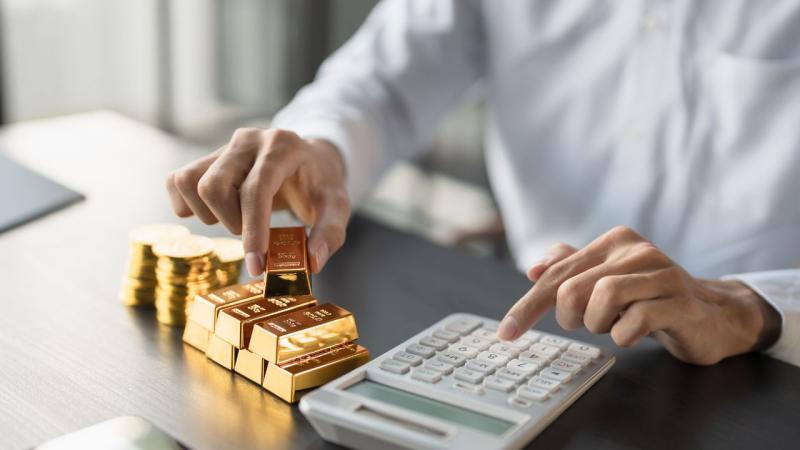
When you look at gold price in India,
you're seeing more than just a number - you're witnessing a cultural
phenomenon, an economic indicator, and a deeply personal financial decision for
millions of families. The gold price in India dances to its
own rhythm, influenced by factors that don't affect other markets. Let me
unpack what makes gold price in India uniquely Indian.
First, you need to understand that gold price in
India isn't just about global markets. While international gold prices
certainly matter, the gold price in India adds several
distinct layers:
The Import Duty Effect: India imports about 90%
of its gold, and the government levies a 15% import duty (including 10% basic
customs duty plus other taxes). This means the gold price in India automatically
trades at a premium to international prices. When global gold is $2,300 per
ounce, the gold price in India starts at that plus 15%, before
adding local taxes and dealer margins.
The Currency Conversion: Gold price in India is
quoted in rupees per 10 grams, not dollars per ounce. This creates additional
volatility. If gold is flat in dollars but the rupee weakens by 2%, the gold
price in India rises by 2% even though nothing changed in the gold
market itself. With the rupee historically weakening against the dollar
long-term, this creates structural upward pressure on gold price in
India over decades.
Local Demand Cycles: The gold price in
India follows cultural patterns unknown in Western markets. The
wedding season (October to January) creates massive demand spikes. Akshaya
Tritiya (typically April/May) sees millions of Indians buying gold regardless
of price. These festivals create predictable gold price in India surges
that global traders often overlook.
The Rural-Urban Divide: The gold price
in India means different things in different places. In rural India,
where banking penetration is lower, gold is savings. Farmers buy gold after
harvests, creating seasonal gold price in India pressure. In
urban India, gold is investment and jewelry. This dual demand creates
year-round support for gold price in India.
The "Unofficial" Market: A significant
portion of gold enters India through unofficial channels to avoid duties.
Estimates suggest 20-30% of gold in India comes through these routes. This
creates a parallel gold price in India that's lower than
official prices but comes with authenticity risks. The gap between official and
unofficial gold price in India indicates how strict
enforcement is at any given time.
Government Policies: Recent Indian government
initiatives affect gold price in India:
- Gold
Monetization Scheme: Allows Indians to deposit gold and earn
interest
- Sovereign
Gold Bonds: Paper gold with tax advantages
- Hallmarking: Mandatory
purity certification since 2021
Each policy affects gold price in India differently, sometimes increasing transparency, sometimes creating new demand sources.
The Generational Shift: Young Indians view gold
price in India differently than their parents. While older generations
bought physical jewelry, millennials prefer:
- Gold
ETFs (exchange-traded funds)
- Digital
gold platforms
- Sovereign
Gold Bonds
This shift could change how gold price in India is determined in future, with more financialized products competing with physical demand.
Regional Variations: The gold price in
India varies by city due to:
- Local
taxes (GST rates can vary in implementation)
- Transportation
costs
- Local
demand-supply dynamics
- Dealer
competition levels
Mumbai typically has the lowest gold price in India due to being a trading hub, while smaller towns might have higher prices.
The Inflation Hedge Reality: For generations,
Indians have viewed gold price in India as protection against
rupee depreciation. Data supports this: Over 20 years, gold in rupees has
significantly outperformed Indian inflation. When Indians see inflation rising,
they buy gold, which supports gold price in India during
inflationary periods.
The Global-Local Tension: Sometimes gold
price in India moves opposite to global trends. During the 2013
"taper tantrum," when global gold prices crashed, Indian demand
surged as buyers saw bargains. The government had to impose import restrictions
to control the gold price in India and protect currency
reserves. This tension between global prices and local demand creates
unique gold price in India dynamics.
Practical Implications: For someone
tracking gold price in India:
- Check
multiple sources: Compare MCX futures, local jeweler prices, and
online platforms
- Consider
total cost: The gold price in India quote
usually excludes making charges (for jewelry) and GST
- Time
your purchase: Gold price in India tends to be lower
during monsoon months (June-August) when wedding demand is lowest
- Watch
the rupee: Dollar-rupee movement often matters more than gold's
dollar price
The gold price in India story is ultimately
about trust. In a country with complex bureaucracy, currency volatility, and
limited formal savings options for many, gold represents security that
transcends generations. Whether it's a farmer in Punjab buying a small coin
after harvest or a Mumbai executive investing in gold ETFs, the gold
price in India connects them to a 5,000-year tradition of valuing the
yellow metal.
So when you see gold price in India flashing
on a screen or displayed in a jeweler's window, remember: you're not just
looking at a commodity price. You're looking at love stories (wedding jewelry),
security stories (family savings), hope stories (investments for children's
future), and the ongoing Indian conversation about what real wealth means in an
uncertain world. That's why gold price in India will always be
more than just a number - it's a cultural touchstone with economic consequences
that ripple through the world's second-most populous nation and one of its
hungriest gold markets.
Post Your Ad Here
Comments