Why Rainwater Catchment Makes Sense for Hawaii Homeowners
Living in Hawaii means enjoying beautiful weather, lush
landscapes, and tropical surroundings. But it also means thinking carefully
about water. Many homes across the islands don't have access to city water
lines, which makes rainwater catchment systems an important part of daily life.
If you're considering a rainwater catchment tank, understanding how
these systems work and why they matter can help you make the right choice for
your property.
What Is Rainwater Catchment?
Rainwater catchment is exactly what it sounds like. Rain
falls on your roof, flows through gutters, and gets collected in large storage
tanks. From there, the water can be filtered and used for everything from
washing dishes to watering your garden. For thousands of Hawaii residents, this
isn't just a backup plan. It's the primary source of water for their homes.
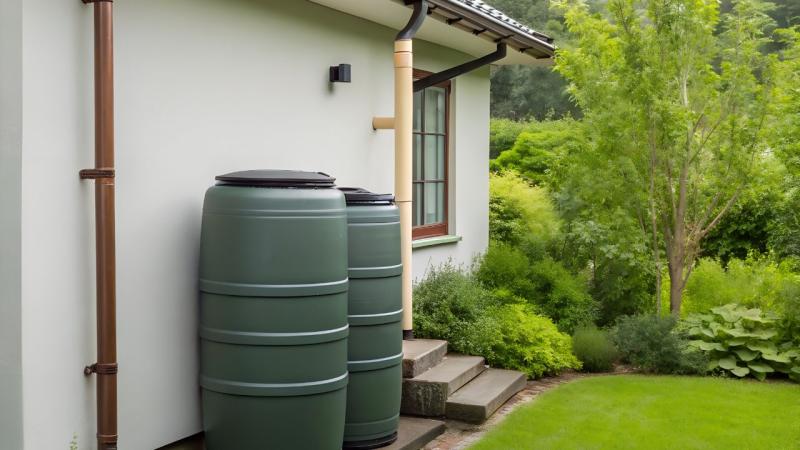
The system itself is straightforward. Your roof acts as the
collection surface. Gutters channel the water into downspouts, which direct it
into your storage tank. Most homes use tanks that hold anywhere from a few
hundred to several thousand gallons, depending on household size and rainfall
in the area. With proper maintenance, a rainwater catchment tank can
last for decades and provide all the water a family needs.
Why Homes in Hawaii Rely on
Catchment Systems
Hawaii gets plenty of rain in many areas, especially on the
windward sides of the islands. But not every home is connected to a municipal
water system. Rural properties, off-grid homes, and areas where infrastructure
is limited often depend entirely on collected rainwater. Even in places where
city water is available, some homeowners choose catchment systems to reduce
their water bills and become more self-sufficient.
There's also the environmental angle. Collecting rainwater
reduces the demand on aquifers and public water supplies. It's a sustainable
choice that aligns with the values of many people who live in Hawaii. Plus,
rainwater is naturally soft, which means it's gentler on appliances, plumbing,
and even your skin and hair.
Choosing the Right Tank for Your
Needs
Not all storage tanks are the same. The size you need
depends on how much rain your area gets, how many people live in your home, and
how much water you use daily. A household of four might need at least 10,000
gallons of storage to get through dry periods without running out.
Material matters too. Most tanks are made from polyethylene,
fiberglass, or galvanized steel. Polyethylene tanks are popular because they're
affordable, lightweight, and resistant to rust. Fiberglass tanks are durable
and can handle sun exposure well. Steel tanks are strong but need proper
coating to prevent corrosion in Hawaii's humid climate.
Placement is another consideration. Tanks should sit on
level ground with good drainage around them. Some people place tanks above
ground on stands, which helps with water pressure. Others bury tanks partially
or fully, which keeps them out of sight and protects them from sun damage.
When you work with professionals who understand water
catchment tank systems, they can guide you through these decisions and help
you avoid common mistakes. Proper installation from the start saves headaches
later on.
Keeping Your Water Clean and Safe
Water quality is critical when you're drinking and cooking
with collected rainwater. A good system includes multiple layers of protection.
First, you need clean gutters and screens to keep leaves, debris, and pests out
of your water. First-flush diverters help by diverting the initial flow of
water, which often contains dust and contaminants from your roof.
Inside the tank, water should be kept dark and sealed to
prevent algae growth. Algae thrive in sunlight, so tanks should be opaque or
kept in shaded areas. Many homeowners also add filters at different points in
the system. A sediment filter removes particles, while a carbon filter improves
taste and removes odors. For drinking water, UV filters or other purification
methods add an extra layer of safety.
Regular maintenance keeps everything working smoothly.
Gutters should be cleaned several times a year, especially before the rainy
season. Tanks need to be inspected for cracks, leaks, or signs of wear. Water
should be tested periodically to make sure it meets safety standards. When you
invest in water catchment tank systems, you're also committing to
ongoing care that protects your investment and your health.
Service and Maintenance You Can
Count On
Even the best system needs attention over time. Seals can
wear out, filters need replacing, and tanks occasionally need cleaning.
Professional service makes a huge difference in how long your system lasts and
how well it performs.
A good service provider will inspect your entire setup, from
roof to tank to plumbing. They'll check for leaks, test water quality, clean
filters, and recommend any repairs or upgrades. Some companies offer regular
maintenance plans that take the guesswork out of system care. You schedule
visits once or twice a year, and they handle everything else.
Emergency repairs matter too. If your tank develops a leak
or your pump stops working, you need help fast. Companies that specialize in water
catchment tank systems understand the urgency and have the parts and
expertise to get your system back online quickly.
The Benefits Go Beyond Just Water
Having a reliable water source brings peace of mind. You're
not dependent on outside infrastructure or worried about supply disruptions.
During droughts or when demand is high, you have your own reserve. That
independence is valuable, especially in remote areas where help isn't always
nearby.
There's also the satisfaction that comes from living more
sustainably. Every gallon you collect is one less gallon pulled from a well or
reservoir. You're reducing your environmental footprint while meeting your
daily needs. Gardens thrive on rainwater because it lacks the chlorine and
chemicals found in treated water. Pets benefit too, drinking water that's
naturally pure.
Many homeowners find that their rainwater catchment tank
becomes a point of pride. It represents self-reliance and smart planning.
Visitors often ask questions about how the system works, and neighbors
sometimes follow your lead when they see how well it performs.
Making the Smart Choice for Your
Property
If you're building a new home or looking to upgrade an
existing water system, now is a great time to explore your options. Technology
has improved, tanks are more durable, and professionals who specialize in these
systems can design setups that match your exact needs.
Start by assessing your situation. How much water does your
household use? What's the average rainfall in your area? Do you have enough
roof space for adequate collection? Answering these questions helps you
determine the right size and type of system.
Then, talk to experts who know the local conditions.
Companies like Pacific Blue
Catchment bring years of experience working with Hawaii properties.
They understand the climate, the regulations, and the practical challenges that
come with catchment systems. They can recommend solutions that work within your
budget while delivering clean, safe water for years to come.
A well-designed system pays for itself through lower water
bills and increased property value. More importantly, it gives you control over
one of life's most essential resources. Whether you're growing vegetables,
raising animals, or just living comfortably, having dependable water makes
everything easier.
Final Thoughts
Rainwater catchment isn't complicated, but it does require
thoughtful planning and regular care. With the right tank, proper installation,
and ongoing maintenance, you'll have a reliable water source that serves your
household well. The investment you make today protects your lifestyle tomorrow.
If you're ready to take the next step, reach out to
professionals who can guide you through the process. Companies like Pacific
Blue Catchment offer everything from initial consultations to complete
installations and ongoing service. They make it easy to enjoy the benefits of
collected rainwater without the stress of figuring it out alone.
Clean, safe water really does mean a better lifestyle for
you, your garden, and your pets. When you choose quality equipment and expert
service, you're choosing peace of mind and independence that lasts.
Post Your Ad Here
Comments