5 Ways to Cut Your Commercial Heating Bills This Winter
Heating costs can rise sharply during the colder months, especially for businesses running large buildings, warehouses, offices, commercial kitchens, or multi-site facilities. With energy prices still volatile and sustainability becoming a higher priority, reducing winter heating bills isn’t just about saving money — it’s about improving efficiency, reducing downtime, and ensuring a comfortable environment for employees, customers, and visitors.
The good news? There are practical, high-impact steps your business can take right now to control heating costs without sacrificing comfort or performance. At 4Facilities, we support organisations across the South East with HVAC maintenance, upgrades and heating-system optimisation, and these are some of the most effective measures we recommend.
1. Schedule Regular Heating System Maintenance
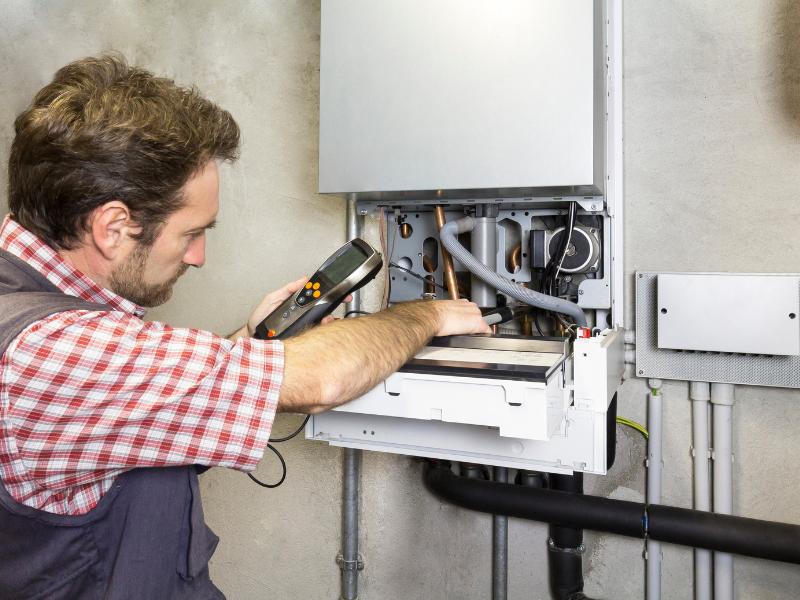
One of the biggest reasons businesses see unnecessarily high heating bills in winter is simply poor maintenance. Boilers, heat pumps, HVAC systems and radiators all experience wear and inefficiency over time. When dust, debris or internal faults go unnoticed, systems have to work significantly harder to produce the same amount of heat — causing energy usage to rise dramatically.
Why maintenance saves money
- A poorly maintained boiler can waste up to 30% more energy.
- Blocked filters and airflow obstructions force HVAC systems to run longer.
- Small issues such as faulty thermostats or low refrigerant levels reduce efficiency.
A professional heating system service ensures all components are operating correctly, combustion efficiency is optimised, heat exchangers are clean, airflow pathways are clear and safety checks are up to date.
Maintenance benefits include:
- Lower winter energy bills
- Extended equipment lifespan
- Reduced emergency breakdowns
- Compliance with regulations
For many businesses, scheduling a winter-preparation visit before temperatures drop can significantly reduce seasonal energy spikes.
2. Improve Your Building’s Insulation and Address Heat Loss
Heating systems are only as efficient as the buildings they serve. Even the most advanced boiler or HVAC setup will struggle if warm air is constantly escaping. Many commercial buildings — especially older ones — lose huge amounts of heat through poorly insulated walls, roofs, windows and doors.
Common places where businesses lose heat:
- Roofs without modern insulation
- Single-glazed windows
- Drafty external doors
- Gaps around pipework and service penetrations
- Uninsulated ducting in cold areas
Simple improvements that make a big impact:
- Seal exterior gaps with professional weatherstrips
- Install door sweeps in back-of-house entry points
- Upgrade to double- or triple-glazing
- Add pipe insulation in boiler rooms and plant areas
- Improve loft or ceiling insulation
Even small upgrades can reduce heat loss significantly and cut annual heating costs by up to 20%. For businesses operating large premises — such as care homes, schools, hotels or warehouses — insulation improvements offer excellent long-term returns.
3. Use Smart Controls and Thermostats to Improve Efficiency
Heating systems often run more than they need to simply because nobody is controlling them intelligently. A building might be fully heated even when only partial occupancy is required, or heating may be left running overnight or during weekends when the premises are empty.
Smart thermostats, zone controls and building management systems (BMS) solve this problem by automatically adjusting heating output based on time, occupancy, temperature and usage patterns.
Advantages of smart heating controls:
- Reduce energy waste with automatic scheduling
- Avoid overheating areas that do not require full output
- Allow remote adjustments
- Provide detailed insight into energy usage
- Enable zoned heating (heat only the spaces in use)
For example, office meeting rooms don’t need full heating 24/7. Hotels may have unused guest rooms during off-peak periods. Warehouses may have areas that rarely need heating except for specific tasks.
Smart controls optimise heating demand and ensure your system delivers heat exactly where it’s needed — and nowhere else. Many businesses report 10–25% heating savings after installing smart control systems.
4. Upgrade Inefficient or Ageing Heating Equipment
Older heating systems, boilers and HVAC units simply aren’t designed for modern efficiency standards. If your equipment is over 10–15 years old, it may be operating at less than 70% efficiency — meaning 30% of the energy you pay for is being wasted.
Modern commercial heating solutions, including condensing boilers, air-source heat pumps and high-efficiency HVAC systems, can achieve efficiency ratings of 90–98%.
Signs it may be time to upgrade:
- Heating bills have steadily increased year-on-year
- Boiler frequently cycles on/off
- Heating takes too long to reach comfortable levels
- Rooms heat unevenly
- Your system is becoming more expensive to repair each year
Although equipment upgrades require upfront investment, they often pay for themselves quickly through lower energy bills and reduced downtime. Many businesses also take advantage of government incentives or funding opportunities for improving building efficiency. A professional HVAC engineer can conduct a full assessment of your system and recommend the most cost-effective upgrades for your building.
5. Implement a Planned Preventative Maintenance (PPM) Programme
Reactive maintenance — waiting for things to break — is one of the most expensive ways to manage heating systems. Breakdowns often occur in winter when equipment is under the most strain, and emergency repairs typically cost more than planned maintenance visits.
A Planned Preventative Maintenance (PPM) programme gives your business ongoing, scheduled inspections throughout the year. It significantly reduces heating costs by keeping equipment in peak condition and spotting issues before they become major problems.
Benefits of PPM include:
- Predictable operational costs
- Fewer winter breakdowns
- Improved heating efficiency
- Longer equipment lifespan
- Reduced energy consumption
- Increased comfort and safety
A PPM programme is particularly valuable for businesses with critical heating requirements such as care homes, restaurants, hotels, schools and manufacturing sites. At 4Facilities, we tailor our PPM plans to each site’s unique needs, ensuring your heating, HVAC and refrigeration systems operate reliably and efficiently all year round.
Final Thoughts: Small Improvements Lead to Big Savings
Cutting your commercial heating bills this winter doesn’t always require expensive upgrades or major overhauls. Many businesses achieve substantial savings simply by maintaining their systems properly, addressing heat loss, installing smart controls and ensuring heating is used efficiently.
However, every building is different. An energy-efficient strategy for an office will differ from that of a hotel, school or warehouse. The key is identifying where your building is losing energy and implementing practical improvements that deliver long-term results.
If your business wants to improve heating efficiency, reduce winter energy costs or schedule a maintenance service, the team at 4Facilities is here to help.
Post Your Ad Here
Comments