Why Rigid Panel Systems Are the Future of Crowd Control
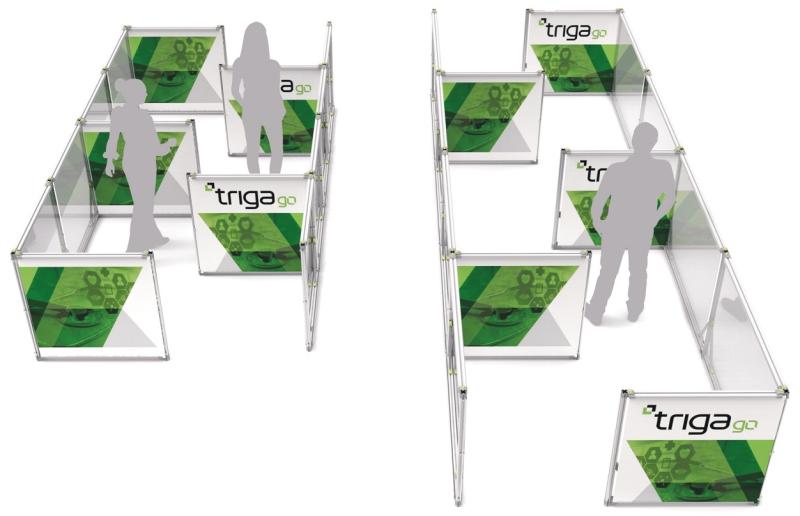
In today’s world—where experiences matter more than ever—how you manage queues and crowd flow goes far beyond simple safety. Whether you run a retail outlet, trade show booth, airport terminal, museum, or corporate event, the way customers move through your space creates impressions. Enter rigid panel queuing systems: modern, stylish, and brand-amplifying tools that do more than direct traffic. They build trust, reinforce visual identity, and enhance visitor experience in a way that tape lines and retractable belts simply can’t.
In this article, we explore why rigid panel crowd control systems are becoming the go-to choice, how they work, and what benefits they bring. By the end, you’ll see how these systems can transform mundane queues into powerful brand touchpoints.
Why Crowd Control Has to Evolve
Managing crowds has always been part of the equation in busy spaces. But the expectations of people—customers, attendees, visitors—have shifted.
-
Experience matters more than ever. Post-pandemic, people expect comfort, clarity, safety, and a pleasant environment everywhere. It’s not just “don’t block the entrance,” it’s “make me feel welcome while I wait.”
-
Brand visuals are everywhere. From storefronts to trade show walls to mobile ads, consistency in branding builds trust. A queue that uses plain barrier tape or generic stanchions is a missed opportunity to reinforce your visual identity.
-
Operational efficiency is critical. Businesses need solutions that are easy to set up, quick to adapt, and durable. Systems that are rigid, modular, and reusable simplify logistics and cost.
What Is a Rigid Panel Queuing System?
A rigid panel queuing system is a framework of firm panels—typically made from durable materials—used to guide people through lines or waiting zones. Here’s what makes them distinct:
-
Structural stability. Unlike belts or ropes, rigid panels are self-supporting and sturdy, even in outdoor or high-traffic environments.
-
Brandable surfaces. Both sides of the panels can become canvases for visuals: logos, product graphics, messaging, directional or safety information.
-
Modular design. Panels can be joined, removed, or reconfigured. Want a straight line today, a zig-zag tomorrow, or an open booth for events? Rigid panel systems adapt.
-
Professional finish. High-quality panels often come with visual design in mind—clean edges, seamless connections, easy mounting. The final look feels intentional, not makeshift.
Key Benefits You Need to Know
Rigid panel queuing systems bring several advantages that make them a smart investment. Here are the major ones:
-
Cohesive Visual Identity
Every brand has a visual language—colors, fonts, logos. Rigid panels ensure that even queues fit that language. The end result? Customers perceive the whole environment (including waiting) as more polished and trustworthy. -
Custom Branding Made Easy
Want to highlight a product launch, promote an upcoming event, or inform visitors? Panels can carry full-color graphics, printing, or digital attachments. When the message changes, you just swap the panels—hardware stays the same. -
Improved Engagement
Passive queues are boring. Panels that display graphics, imagery, QR codes, or interactive instructions give visitors something to engage with—while they wait. This can change their perception of wait time and reduce frustration. -
Durability & Reusability
High-quality rigid systems are built for repeated use. Withstands wear, supports rebranding, resists environmental conditions. When you factor in the lifespan versus disposable or less sturdy options, they often save money long-term. -
Modular & Scalable Layouts
Your space today may be different than tomorrow. Maybe you need a 3-panel layout for an event weekend, but a larger lane system for peak times. Rigid panel systems allow for this flexibility without needing entirely new components. -
Enhanced Safety and Order
In busy, regulated environments—airports, healthcare, large events—clear barrier systems reduce confusion. Rigid panel systems are visually impactful and prevent people from straying or crowding in unsafe areas.
Where Rigid Panel Queues Shine
These systems are versatile. Here are some of the places and scenarios where they deliver especially strong results:
-
Retail environments. Think checkout queues, returns desks, service counters. Branded panels can guide customers clearly, reduce perceived wait times, and leave a more premium impression.
-
Trade shows & exhibitions. A crowded booth with unmarked queue ropes? Not impressive. Rigid panels allow organizers to control flow, promote sponsors, highlight products, or direct traffic—all with style.
-
Airport & travel hubs. In places where people are often stressed or hurried, good signage + strong branding + clear pathing makes a difference. Panels can serve both as wayfinding and advertising space.
-
Museums, galleries, and public attractions. These places often want to set a tone of sophistication. Integrate queue controls that are aligned with brand/art aesthetics, possibly even incorporating educational or contextual messaging.
-
Healthcare / Government / Public Facilities. Safety and clarity are paramount here. Panels can be used to direct people, separate lines, and at the same time display crucial health & safety messaging.
Designing Your Rigid Panel System: Best Practices
If you’re considering adding rigid panel queuing to your toolkit, here are some tips to make sure you do it well:
-
Start with your message. What do you want people to see and absorb during those waiting moments? Your logo alone is good—graphics + informative signage + interactive elements is even better.
-
Choose materials wisely. Consider durability, weight, weather resistance (if outdoors), and ease of cleaning. Matte or semi-gloss finishes often reduce glare, which improves readability.
-
Think visibility & height. Panels should be tall enough to be clearly seen, but not so tall that they block signage or create discomfort. Good height also means people can read messaging without bending.
-
Modularity is essential. Systems that let you add/remove panels or change layout give you flexibility to adapt to different spaces, events, or customer flow.
-
Consistency across touchpoints. Make sure the branding on rigid panels aligns with other visual cues in the space: signage, digital screens, furniture. Consistency reinforces trust and makes the environment feel unified.
-
Update graphics strategically. Seasonal promos, product launches, or changing compliance requirements (e.g. health messaging) are all reasons to refresh panel visuals. If your system allows easy swapping of graphics, that’s a big plus.
Comparing Rigid Panels vs Traditional Alternatives
To help you decide, here’s a quick comparison between rigid panel systems and more traditional crowd control solutions:
| Feature | Rigid Panel Queuing Systems | Traditional Belts / Rope Stanchions / Tape |
|---|---|---|
| Brand Visibility | High—print graphics, messaging, dual-sided branding | Low—typically plain, with minimal branding |
| Visual Impact | Clean, polished, modern | Basic, often utilitarian or industrial |
| Flexibility in Layout | Good—modular, configurable | Moderate—limited by belt length or posts |
| Durability | Very good—designed for reuse | Ropes/tape degrade quicker, belts wear out faster |
| Setup & Maintenance | Medium—panels need correct mounting & storage | Low initial setup, but recurring cost if replacements needed |
| Cost over time | Often more cost-effective if used long-term | Cheaper short run, more maintenance in the long run |
Making It Work for You: Implementation Tips
If you decide to adopt rigid panel queuing, here’s a roadmap to doing it well:
-
Audit your spaces where queuing happens: entrances, checkouts, event areas. Map out traffic flow and identify pinch points.
-
Measure properly. Take accurate dimensions, account for foot traffic clearance, consider visibility from different angles.
-
Decide on messaging hierarchy. What must always be visible (e.g. brand logo, directional signs)? What can be optional (promo graphics, seasonal messages)?
-
Prototype one section first. Before rolling the system out across multiple stores/events/etc., test it in one location to refine material choices, graphic styles, layout efficiency.
-
Train staff. Staff should understand how to reconfigure panels, clean/maintain them, replace graphic panels when needed.
-
Monitor feedback. Observe how customers move through the queues, test if wait times feel shorter, and look out for any visual or functional issues. Adjust panels as needed.
Conclusion: More Than Just Barriers
Rigid panel queuing systemshttps://trigadisplays.com/contact-page/ are more than tools for line-management. They are opportunities. Opportunities to tell your brand story, to enhance customer experience, to make every waiting moment count. When you shift mindset—from “just keeping people in line” to “turning queues into brand moments”—you gain more than order. You gain loyalty, trust, and a better perception.
If you’re looking to move beyond belts, cones, and basic ropes, rigid panel systems offer a path forward—one that balances style, safety, and strong branding in equal measure.
Post Your Ad Here
Comments