Chemical Processing Growth Fuels Expansion of Industrial Pump and Valve Markets
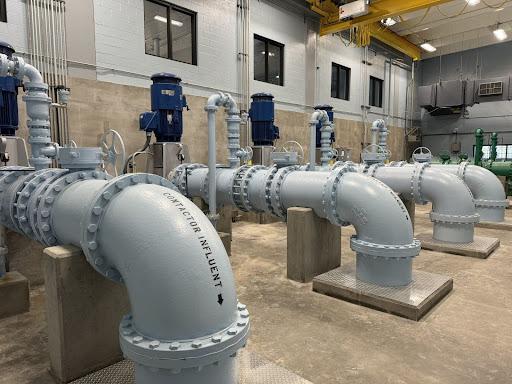
The chemical processing sector is entering a period of renewed momentum, and its growth is directly reshaping the industrial equipment landscape. Pumps, valves and related fluid-handling systems form the backbone of chemical manufacturing, which depends on precise, reliable and continuous movement of liquids, slurries and specialty chemicals. As the chemical industry expands in capacity, complexity and global output, demand for high-performance pump and valve technology has accelerated significantly. This trend is supported by data from the American Chemistry Council and Grand View Research, both of which highlight strong post-2020 recovery and a continued long-term growth trajectory for the industrial pump market.
A Strong Chemical Industry Rebound After 2020
The American Chemistry Council’s Year-End 2022 Chemical Industry Outlook provides one of the clearest pictures of the sector’s resurgence. After the disruptions of 2020, chemical production rebounded with notable strength. Output grew by 3.2 percent in 2021 and 3.8 percent in 2022, signaling renewed demand across manufacturing, pharmaceuticals, agriculture, automotive materials and consumer goods.
This rebound did more than restore pre-pandemic levels of production. It created new pressures on existing chemical plants and accelerated investment in expanded capacity, modernization and energy-efficient systems. Many facilities are upgrading older equipment to accommodate higher throughput, integrate automation and meet stricter environmental compliance requirements. Pumps and valves play a central role in these upgrades because they influence every stage of chemical processing, from raw material transfer to reaction management to finished product packaging.
With production loads climbing, the reliability and precision of fluid-handling systems have become top priorities for chemical manufacturers. This shift is driving the rise of advanced pump and valve providers, who are now seeing increased orders from facilities across the sector.
Why Chemical Manufacturing Depends on Advanced Fluid Technology
Chemical processing relies on exact control of flow, pressure and temperature. Pumps and valves must withstand aggressive materials, high temperatures, corrosive chemicals and challenging operating cycles. Many chemicals require precise handling to avoid contamination, reaction instability or equipment damage. Any failure in these systems can lead to production losses, safety risks or environmental incidents.
Because of these demands, chemical facilities are upgrading to equipment that offers greater durability, automation and safety features. Modern pump technology includes advanced sealing systems, specialty alloys, energy-efficient motors and designs tailored for corrosive or abrasive substances. Similarly, automated valve systems now offer better flow regulation, leak prevention and integration with digital monitoring platforms.
As the chemical sector continues to grow, these high-performance components become essential investments rather than optional upgrades.
Market Growth Reinforced by Global Investment Trends
The expansion of the chemical processing industry has had a measurable impact on the broader industrial equipment market. Grand View Research’s 2023 Industrial Pumps Market Report projects the global pump market to reach 99.3 billion dollars by 2030. A significant portion of this growth is driven by chemical processing investments and the ongoing modernization of fluid-handling infrastructure.
This demand is not limited to the United States. Emerging markets are expanding petrochemical, specialty chemical and polymer manufacturing. European facilities are upgrading equipment to improve energy efficiency and meet aggressive sustainability targets. Asian markets are building new chemical complexes to support manufacturing exports. Each of these developments requires large-scale pump and valve procurement, creating a ripple effect across equipment suppliers, engineering firms and service providers.
The growth of the valve market mirrors this trend. As chemical plants automate more processes, the need for responsive, digitally integrated valves increases. Automated valves allow plants to operate more safely and more efficiently, with remote monitoring and predictive maintenance becoming part of standard operations.
Modernization and Automation Reshape Equipment Requirements
Chemical plants are increasingly embracing automation as a way to improve safety and maintain production quality. Automated pump and valve systems bring consistency to operations that once relied heavily on manual adjustments. Facilities now integrate sensors, programmable logic controllers and real-time monitoring platforms that provide continuous performance data.
This shift is reshaping the expectations placed on industrial pump and valve providers. Companies must offer equipment that is compatible with digital systems, durable enough for aggressive processes and efficient enough to meet energy reduction goals. Skid-mounted modular systems are also becoming popular in the chemical sector. These systems reduce installation time, improve standardization and allow companies to expand capacity with minimal disruption.
As chemical processing becomes more complex, fluid-handling technology is evolving alongside it.
Sustainability and Compliance Drive Further Demand
Environmental regulations continue to strengthen across chemical processing, with increased scrutiny placed on emissions, water usage, waste handling and plant safety. Upgrading pump and valve systems is one of the fastest and most effective ways for manufacturers to meet these regulatory demands.
Energy-efficient pumps reduce electrical consumption. Leak-proof valve designs minimize product loss and environmental exposure. Automated systems help ensure consistent performance and reduce the risk of human error. These improvements not only support compliance but also reduce operating costs, making them financially attractive for plant operators.
A Positive Outlook for Equipment Providers
Between chemical output growth, global investment cycles and a shift toward modernization, the outlook for pump and valve providers is strong. Facilities in the chemical industry will continue to invest in upgraded equipment as production expands and regulatory pressure increases. Companies offering high-performance pumps, advanced valve automation and turnkey skid systems are well positioned to benefit from this long-term upward trend.
Conclusion
The chemical industry’s robust post-2020 recovery has fueled a substantial rise in demand for industrial pump and valve technology. With chemical output expanding and global manufacturing investments increasing, facilities are turning to advanced fluid-handling systems to improve efficiency, reliability and safety. Data from the American Chemistry Council and Grand View Research makes it clear that the intersection of chemical production and fluid-technology innovation will remain a powerful driver of market growth well into the next decade.
Post Your Ad Here
Comments