Car Lift Systems- How they work and what you should know?
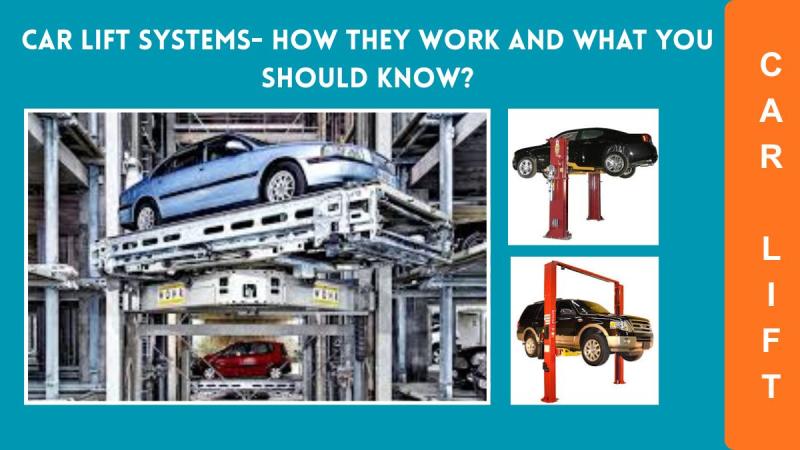
With the rise of compact urban spaces, increasing vehicle density, and premium residential living, car elevators have become an essential solution in modern infrastructure. These intelligent car lift systems are designed to transport cars vertically between multiple levels, eliminating the need for long ramps or massive parking areas.
Whether you are planning to install a Car lift for Residential garage, luxury villa, a commercial building, or an automated parking facility, understanding the key aspects of vehicle elevators will help you make the right investment.
What is a Car Elevator?
A vehicle elevator or car elevator is a specialized type of lift designed specifically to move cars, motorcycles, or other light vehicles between different levels of a building. Unlike regular passenger elevators, these systems are built with:
· Higher load capacity
· Wider platform space
· Stronger structural components
· Advanced safety systems
They are commonly used in Luxury villas and bungalows, Car showrooms, Automated parking systems, Commercial buildings, hotels and resorts. It allows smooth and secure vertical transportation for vehicles without requiring traditional ramp systems.
Why are Vehicle Elevators Becoming Popular?
Urban areas are running out of horizontal space. Developers and homeowners are now building vertically, and that includes parking as well.
Here’s why vehicle elevators are gaining popularity:
· Saves space by eliminating long entry ramps
· Enables underground or rooftop parking
· Enhances building design and aesthetics
· Adds convenience and luxury for homeowners
· Supports multi-level parking in small plots
· Increases property value and functionality
For luxury homeowners, a car elevator is no longer just a utility, it is a premium lifestyle feature.
Key Technical Aspects of Vehicle Elevators
1. Load Capacity
Vehicle elevators are designed to carry heavy loads, often between 2,000 kg to 4,000+ kg depending on the model and usage. This is essential to support vehicles like SUVs, sedans, and sometimes even small trucks.
When selecting a vehicle elevator, the type and weight of your vehicles should be considered carefully.
2. Platform Size
The platform must accommodate different vehicle dimensions safely. A standard car lift platform may range from:
· 2.5 m to 3.5 m in width
· 5 m to 6 m in length
Proper clearance is essential for safe entry and exit.
3. Drive Technology
Vehicle elevators typically operate on:
· Traction system
· Hydraulic system
Traction elevators offer smoother, faster, and more energy-efficient performance, ideal for high-usage areas. Hydraulic systems are often used for lower heights and simpler installations.
Choosing the right technology depends on Number of floors, Usage frequency, Available space and Budget.
4. Safety Features
Safety is the most critical factor in vehicle elevators. Essential safety systems include overload sensors, emergency stop switches, guide rail safety locks, limit sensors etc. Some advanced car elevators also include camera monitoring and AI-based weight detection.
5. Space & Installation Requirements
One major advantage of vehicle elevators is that these require much less space than ramps. However, they still need careful planning.
Important considerations include:
· Floor-to-floor height
· Pit depth
· Overhead clearance
· Shaft construction
· Entry/exit alignment
· Electrical power supply
A professional site inspection is always necessary before the final design.
Residential vs Commercial Applications
For Homes / Villas:
· Suitable for luxury villas or high-end houses
· Allows direct garage-to-driveway movement
· Ideal when parking space is limited
· Adds a modern premium touch
For Commercial & Public Spaces:
· Used in parking towers & malls
· Supports higher vehicle density
· Automates parking movement
· Reduces congestion
Vehicle elevators have become a key element in smart parking solutions for commercial places and industries. Always go for experienced Industrial Elevator Company to get safe and reliable solutions.
Benefits of Installing a Car Elevator
·
Maximizes use of limited space
·
Enables vertical parking
·
Adds luxury & innovation
·
Improves traffic movement inside buildings
·
Reduces land requirement
·
Increases property value
·
Enhances security of parked vehicles
For luxury properties, a vehicle elevator can be a statement
feature that sets your project apart.
Things to Consider Before Car Lift Installation
Before choosing a vehicle elevator, always evaluate:
1. Building
structure capability
2. Type
of vehicle(s)
3. Required
weight capacity
4. Installation
location
5. Usage
frequency
6. Safety
regulatory compliance
7. Maintenance
service availability
8. Budget
planning
Contacting with an experienced Car
elevator manufacturer is essential for smooth execution.
Final Thoughts
As cities grow and space becomes more valuable, vehicle
elevators are becoming the future of parking. They are no
longer limited to commercial complexes but are now being embraced by luxury
homeowners, architects, and developers across India.
By understanding the essential aspects such as capacity, space, safety,
technology, and maintenance, you can make an informed decision that brings
long-term convenience, efficiency, and luxury to your property.
If you are considering installing a car or automobile elevator in your
project, consulting a professional lift
supplier in Delhi is the best first step toward a smooth and secure
installation.
Post Your Ad Here
Comments