What Custom Features Matter Most When Designing a Signature Stamp for Personalized Use
What Custom Features Matter Most When Designing a Signature Stamp for Personalized Use?
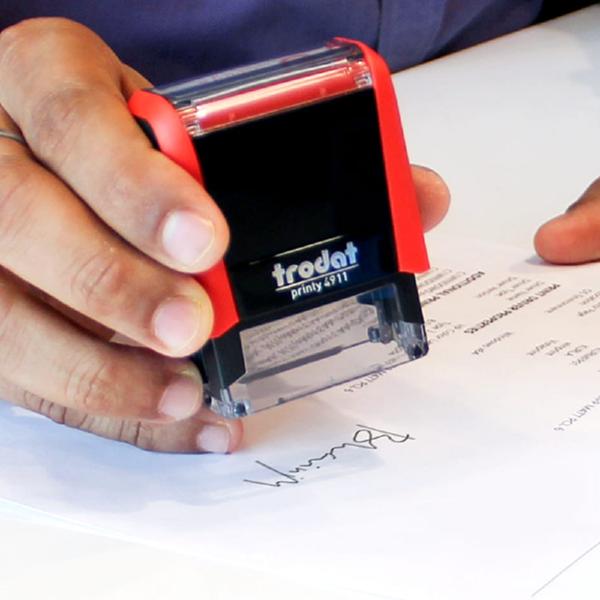
A signature stamp is commonly used for signing documents quickly without writing by hand each time. Many people prefer having it customized to match their exact signature and daily requirements. But before selecting one, it is important to understand which features have the most impact on its effectiveness. In this article, we will look at the major factors to consider so you can make a confident decision and choose a stamp that performs well for regular use.
The following points explain the most significant features involved in designing a personalized signature stamp. By knowing how each factor affects performance, you can pick the right option for professional, personal, or business-related needs.
Accuracy of Signature Reproduction
The primary purpose of a signature stamp is to replicate your handwritten signature with precision. A high-quality impression helps avoid misunderstandings and maintains consistency across documents. The reproduction should match the fine lines, curves, and pressure patterns found in your original signature. If the image is unclear or distorted, it may raise concerns in official paperwork.
Modern scanning and engraving methods can capture detailed strokes without smudging or broken lines. Before placing an order, it is better to check whether the provider uses digital processing to create a clean and sharp impression. This is especially helpful for people who have intricate signatures with smaller elements.
Stamp Size and Layout
Choosing an appropriate size helps the stamp fit comfortably on various document formats. A stamp that is too large may interfere with content on forms, while one that is too small may look faint or unfinished. Most users prefer a size similar to their handwritten signature, but slightly smaller versions are also common for compact paperwork.
The layout can include signature alone or additional details such as name, designation, or date. If you plan to use the stamp for official documents, keeping the layout simple can prevent clutter and improve clarity. Wider stamps work well for longer signatures, whereas compact rectangular options are suitable for standard office use.
Font Style for Name or Additional Text
Some people prefer adding printed text along with the signature. This may include full name, initials, or job title. Choosing a clean and readable font improves the overall look and avoids confusion. Simple fonts are generally easier to read and work well on legal or banking documents.
Avoid overly decorative fonts since small flourishes may not transfer clearly on paper. The main goal is to maintain legibility while keeping the impression neat and professional.
Type of Stamp and Mechanism
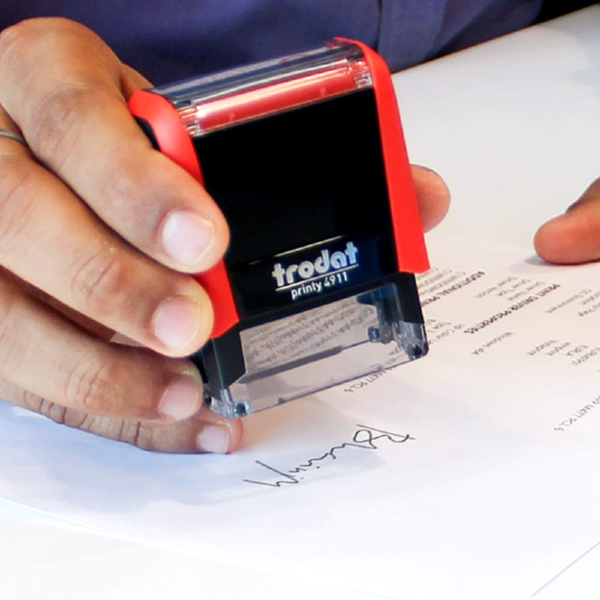
Signature stamps are available in several formats, such as self-inking, pre-inked, and traditional rubber models with separate ink pads. Each has different strengths depending on frequency of use.
- Self-inking stamps are suitable for routine tasks since the ink pad is built inside the casing. They provide quick, consistent impressions and require minimal effort.
- Pre-inked stamps produce sharper results due to high ink density and are ideal for detailed signatures.
- Traditional rubber stamps are simple and long-lasting but require manual inking before each use.
People who sign large volumes of paperwork may find self-inking models convenient, while those needing sharper impressions can select pre-inked types.
Ink Color and Quality
Ink plays a major role in clarity and durability. Black and blue are the most common choices since they are widely accepted for official use. Some industries prefer specific colors for document tracking or internal processing.
Good ink should dry quickly without smudging. Slow-drying ink may leave unwanted marks on glossy surfaces or folded papers. If you frequently sign carbon or duplicate sheets, choosing a compatible ink type can help maintain clean copies.
Material and Durability
The stamp body must withstand regular handling without damage. Plastic cases are lightweight and suitable for everyday office use, while metal-reinforced bodies may last longer under heavy usage.
The impression plate should also remain stable over time. If the material wears out quickly, the signature may appear faded or incomplete. Selecting a reliable construction helps maintain steady performance for years, especially for users who rely on stamping instead of handwritten signatures.
Privacy and Security Considerations
A signature stamp carries legal importance, so storage and handling are essential. Some people prefer protective covers or locking mechanisms to prevent misuse. If multiple staff members share the stamp in a workplace, maintaining a record of access can prevent unauthorized use.
Although these precautions may seem simple, they safeguard documents and preserve the credibility of the signature.
Comfort and Ease of Use
Comfort plays a practical role, especially for those who use the stamp frequently. The grip should allow smooth pressing without slipping. Lightweight models reduce hand fatigue during repeated stamping sessions. A stable base also helps avoid uneven impressions.
Testing the pressure required for a clear print can be helpful. If too much force is needed, the stamp may not be suitable for long-term use.
Branding or Personal Preferences
Some people like adding small design elements for personal or professional identity. This may include initials, a small logo, or company name beneath the signature. If used in a corporate setting, maintaining consistency across all stationery items can improve presentation standards.
However, keep in mind that extra elements should not overpower the signature itself. The focus must remain on clarity and readability.
Final Thoughts
Designing a personalized signature stamp involves considering several practical features rather than choosing randomly. By paying attention to reproduction accuracy, stamp size, format, ink quality, and comfort, you can select a reliable option that supports daily tasks effectively. People who require frequent document signing may benefit from a Signature stamp setup that matches their signature style and work requirements. Some also choose a Signature Stamp Custom configuration to maintain uniform signatures across business documents.
Post Your Ad Here
Comments