What Does the USDA Hardiness Zone Map Reveal About Your Region True Growing Potential
What Does the USDA Hardiness Zone Map Reveal About Your Region’s True Growing Potential?
The usda hardiness zone map is one of the most important references for gardeners. It helps you understand which plants can survive in your climate and thrive throughout the year. Many people face struggles with plants failing suddenly, and most of the time, it is because the plant does not match the local temperature pattern. By knowing your zone, you can pick plants that will grow properly and avoid unexpected failures.
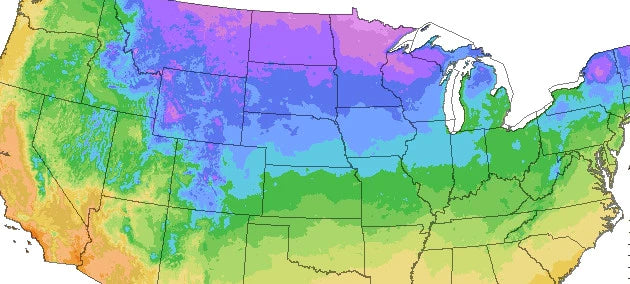
What the Map Actually Shows
The usda hardiness zone map divides regions based on their average minimum winter temperature. Each area is given a number that ranges from Zone 1 to Zone 13. A lower number means extremely cold winters while a higher number indicates warmer conditions.
This information allows you to match plants with their preferred climate. If you choose a plant that cannot withstand the minimum temperature of your zone, it will not survive during cold months. On the other hand, if the plant can handle your region’s conditions, then it will grow consistently without any issues.
Why Knowing Your Zone Matters
Many plants have specific survival limits. Without referring to the map, you may choose plants that fail after a season or two. By checking your zone, you can pick species with better chances of survival. It also helps you understand how long your growing season will last.
For example, if you are in a colder zone, your growing season will be shorter. This means you may have to start seeds indoors or choose crops that grow faster. In warmer zones, you will have a longer season, which gives you more options.
How to Identify Your Zone
Finding your usda hardiness zone is simple. You can look it up online by entering your location. Once you find your zone number, you can start choosing plants that match the temperature range.
After you know the number, look for plant labels or descriptions that specify the recommended zones. Most plant sellers mention this information clearly. This helps you avoid plants that will not survive in your area.
Factors That Influence Growing Potential
Even though the map focuses on winter temperatures, several other factors can influence how plants grow. These include sunlight, soil type, rainfall, humidity, and local microclimates.
Microclimates can be formed by buildings, bodies of water, and elevation changes. A plant that grows well on one side of your property might struggle on another side due to temperature differences. So, while the map is a great starting point, you should also observe your surroundings.
How the Map Helps You Select the Right Plants
By using the map, you can choose plants that are capable of growing steadily in your region. This reduces the risk of losing plants after the first frost. You can also plan your garden layout better.
For instance, if you want fruit trees, the zone number helps you pick varieties that can handle your local winter. If you want flowering plants, you can select species that bloom well in your climate. Vegetables also have preferred zones, so you can choose crops that grow fully before the cold season arrives.
Benefits for New Gardeners
The usda hardiness zone map is especially helpful for people who are new to gardening. It gives you a clear reference point without overwhelming information. Instead of guessing which plants might grow in your yard, you can rely on your zone as a guide.
This reduces mistakes and helps you build confidence. Once you gain experience, you can experiment with plants slightly outside your recommended zone, but for beginners, following the map makes gardening easier.
Long Term Planning for Your Garden
If you want a stable and long lasting garden, the map helps you plan ahead. Choosing zone appropriate plants means fewer replacements, less maintenance, and better results each season.
You can also plan for perennials, shrubs, and trees that will remain healthy for many years. Since these plants stay in the ground permanently, choosing the right ones for your zone is very important.
Conclusion
The usda hardiness zone map is a reliable tool for understanding your region’s growing conditions. It gives you the information needed to pick plants that will thrive instead of fail. Whether you grow vegetables, flowers, or trees, knowing your zone helps you build a garden that performs well throughout the year. By using this map as your starting point, you can avoid common plant failures and create a garden that grows steadily in your climate.
Post Your Ad Here
Comments