What Does It Mean to Tokenize Real Estate Commodities: Detailed Guide
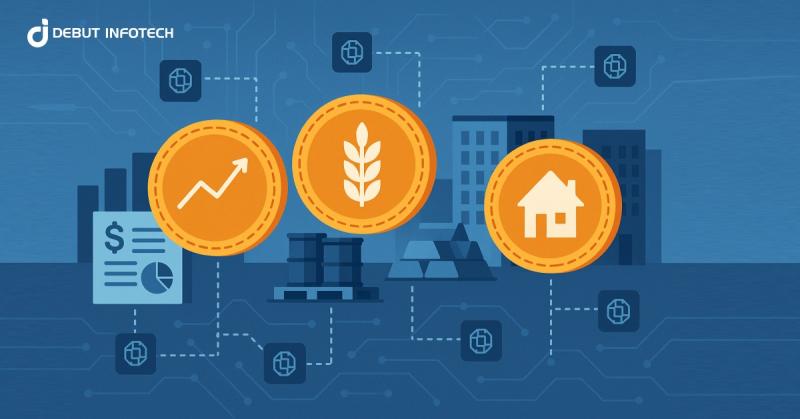
Tokenizing real estate commodities is quickly becoming one of the most practical use cases in the broader tokenization ecosystem. When people hear “tokenization,” they often think about cryptocurrencies or digital collectibles. But the real breakthrough is happening in real assets—properties, land parcels, rental portfolios, metals, and large-scale commercial deals.
At its core, tokenize real estate commodities means taking a traditionally illiquid asset like real estate or high-value commodities and converting ownership rights into digital tokens on a blockchain. Each token can represent a share of a property, income stream, commodity unit, or equity slice. This model enables fractional ownership, easier secondary market trading, and faster settlement compared to legacy systems.
Many investors compare this model to how ETFs fractionalized stock exposure years ago. Tokenization simply brings that efficiency to physical assets.
Why Real Estate Is a Prime Candidate
Real estate is inherently slow-moving. You deal with agents, banks, escrow, paperwork, and jurisdictional red tape. Tokenization speeds up everything.
A real estate tokenization company builds the technical and compliance infrastructure that allows assets to be fractionalized and managed digitally. This includes smart contract development, KYC flows, investor onboarding, and transaction automation. At Debut Infotech, we frequently see clients adopt tokenization because it aligns with two important market needs:
-
Higher liquidity for property owners
-
Lower entry barriers for global investors
The shift is very similar to how Gold Tokenization became popular. Once gold became tradable digitally as fractional tokens, investors didn’t need to buy physical bars. The same logic applies to tokenized real estate.
Role of Smart Contracts in Making This Work
Smart contracts are the backbone of the entire system. When people talk about smart contracts in real estate, they are referring to automated rules coded into blockchain logic—such as rent distribution, dividend payouts, asset transfer restrictions, voting rights, and compliance checks.
Instead of depending on humans for every verification step, smart contracts execute these processes instantly and transparently.
This is especially important for international deals where multiple investors, partners, and compliance jurisdictions are involved.
Platforms Powering This Ecosystem
For tokenization to work at scale, companies must rely on a secure, compliant, and adaptable Real Estate tokenization platform. Such platforms typically include:
-
Asset onboarding portals
-
Investor KYC verification
-
Token issuance modules
-
Smart contract-based compliance
-
Secondary trading capability
-
Wallet integrations
-
Automated cap table management
Debut Infotech has seen strong enterprise adoption in the last two years, especially from property developers, investment firms, and REIT-style asset managers wanting to reduce manual processes and bring in a global investor base.
Tokenization Beyond Real Estate
An interesting trend is multi-asset tokenization, where investors gain exposure not just to properties but also to commodities like gold, silver, and energy resources. Gold Tokenization in particular has surged because it creates a digital, liquid representation of a historically stable commodity. Real estate tokenization is following the same trajectory.
Why Businesses Prefer Tokenization-as-a-Service
Since many enterprises don’t want to build blockchain infrastructure from scratch, solutions like Tokenization as a Service provide ready-made technical blocks—just like SaaS did for software.
Debut Infotech offers TaaS for companies wanting:
-
End-to-end tokenization infrastructure
-
Regulatory-aligned smart contracts
-
Investor dashboards
-
Automated compliance workflows
-
White-label Real Estate tokenization platform
This allows them to go to market faster and avoid operational complexity.
Final Thoughts
Tokenizing real estate commodities isn’t just a trend—it’s the natural evolution of asset ownership. It creates liquidity where none existed, reduces friction in global investing, and modernizes how property-backed assets are issued, traded, and managed.
For businesses exploring tokenization, partnering with an experienced technology provider like Debut Infotech ensures you get the right blend of compliance, engineering expertise, and scalable blockchain architecture to support long-term growth.
Post Your Ad Here
Comments