XRPL in Real Estate Tokenization: Key Trends 2026
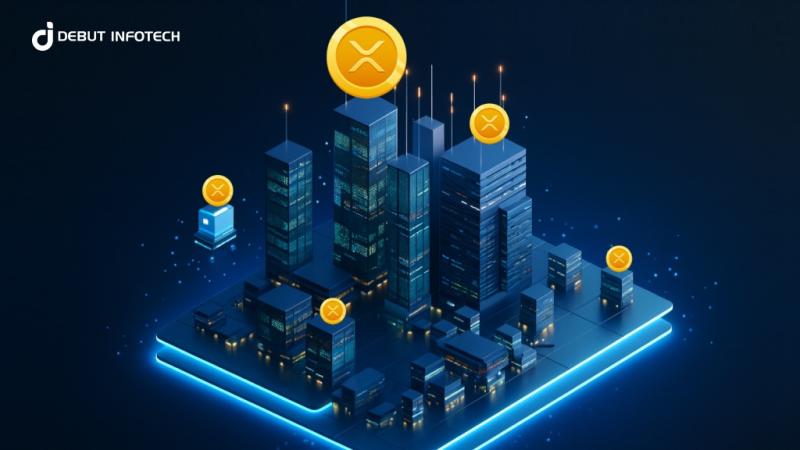
Blockchain is changing how we buy, sell, and invest in properties — and the XRP Ledger (XRPL) is emerging as one of the most promising networks for this revolution. Known for its speed, security, and low cost, XRPL is now being used to tokenize real estate assets, allowing people to own small digital shares of physical properties. By 2026, this trend will reshape how real estate investment works worldwide.
What Is Real Estate Tokenization?
In simple terms, real estate tokenization means converting a property, like an apartment, office space, or commercial building, into digital tokens on a blockchain.
Each token represents a small portion of ownership, just like a company’s share. So, instead of buying an entire building worth millions, investors can buy tokens worth hundreds or thousands of dollars.
This process increases accessibility, reduces paperwork, and allows properties to be traded as easily as stocks.
Why XRPL Is Becoming Popular for Real Estate Tokenization
The XRP Ledger is a blockchain network built for fast and secure financial transactions. But what makes it stand out for real estate tokenization are these three qualities:
-
Speed: XRPL can process transactions in a few seconds, far faster than most other blockchains.
-
Low Fees: Its transaction fees are minimal, making micro-investments practical.
-
Sustainability: Unlike Bitcoin or Ethereum, XRPL uses a carbon-neutral consensus method, making it eco-friendly.
These features make XRPL a perfect fit for large-scale tokenization projects and global property investment platforms.
Trend 1: Fractional Ownership Becoming the Norm
By 2026, fractional ownership will become mainstream. XRPL allows developers to split properties into thousands of tokens, giving everyday investors access to high-value assets.
Imagine owning 0.1% of a shopping mall in New York or 0.05% of a resort in Dubai — that’s the power of tokenization.
This not only increases liquidity (ease of buying and selling) but also lets investors diversify their portfolios across multiple properties worldwide.
Trend 2: Smarter Deals with Automated Contracts
One of the biggest advantages of blockchain is smart contracts in real estate. These are self-executing digital agreements coded on the blockchain.
For example:
-
Rent can be automatically distributed to token holders.
-
Ownership transfers happen instantly after payment.
-
Legal compliance and document verification can be automated.
This eliminates the need for intermediaries like brokers or lawyers, making transactions faster, cheaper, and more transparent.
Trend 3: Cross-Chain Trading for More Liquidity
XRPL is becoming more connected with other major blockchains like Ethereum and Polygon. This means real estate tokens built on XRPL can be traded on other platforms too.
In 2026, investors won’t be limited to one blockchain. They’ll be able to move their property tokens across networks, increasing liquidity and accessibility.
Trend 4: Green and Compliant Tokenization
With growing focus on sustainability, investors and developers are choosing eco-friendly blockchains. XRPL’s carbon-neutral design makes it ideal for “green” tokenized real estate projects, like solar-powered buildings or LEED-certified properties.
Moreover, XRPL allows developers to embed compliance features such as KYC (Know Your Customer) and AML (Anti-Money Laundering) within the platform, helping meet government regulations while maintaining transparency.
Trend 5: Rise of Full-Service Tokenization Platforms
In the coming years, businesses won’t just build tokenization apps, they’ll create complete Real Estate tokenization platforms. These platforms will handle everything from token creation and investor onboarding to secondary trading and compliance management.
They’ll function as all-in-one ecosystems where investors can buy, sell, and trade property tokens effortlessly, just like they trade stocks online.
Trend 6: Developers Driving the Future
The growth of XRPL in real estate will also increase demand for blockchain talent. Companies looking to build or scale their tokenization systems will need to Hire blockchain developers with XRPL expertise.
These developers will play a vital role in creating secure smart contracts, integrating compliance features, and ensuring seamless user experiences for both investors and property owners.
How Businesses Can Benefit
For property developers, investors, and real estate firms, this is the perfect time to explore blockchain. Tokenizing real estate on XRPL can:
-
Attract global investors
-
Reduce operational costs
-
Enable 24/7 property trading
-
Improve transparency and security
Partnering with an asset tokenization development company ensures smooth technical implementation and legal compliance while minimizing risks.
Final Thoughts
By 2026, XRPL will lead the next wave of digital real estate investment. Its mix of speed, transparency, and compliance makes it an ideal foundation for property tokenization worldwide.
Businesses ready to adopt this change can collaborate with industry leaders like Debut Infotech to build scalable and secure tokenization platforms that make real estate ownership more democratic, liquid, and future-ready.

Post Your Ad Here
Comments