How Much Distance Gain Can a Bat Rolling Machine Deliver?
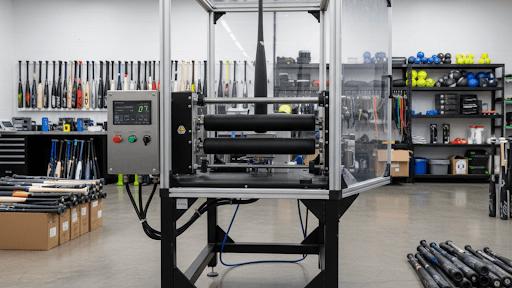
Every player wants extra distance off the bat, but is it really possible to gain more power just by rolling? If you’ve heard about a bat rolling machine, you might be curious whether it can actually increase your hitting distance—or if it’s just another sports myth. The idea sounds simple: make the bat perform like it’s already broken in. Yet, players often wonder how much distance gain they can truly expect.
The truth is, when used correctly, a rolling machine can add measurable pop to composite and some alloy bats.
But how much of a boost you’ll see depends on factors like bat material, pressure applied, and swing technique.
Let’s explore what these machines really do, how they work, and what kind of performance increase you can expect.
What a Bat Rolling Machine Actually Does
A bat rolling machine compresses the fibers in a composite bat evenly, simulating hundreds of hits without actual use. It uses rollers to apply pressure as the bat is rotated, loosening up the resin inside the barrel and allowing it to flex more freely.
This “pre-broken-in” effect improves trampoline response—the bat’s ability to transfer energy to the ball. Essentially, it helps you reach peak performance faster instead of waiting through weeks of practice hits.
Why Players Choose Rolling in the First Place
There are several reasons players consider rolling:
Instant performance: You don’t need to hit hundreds of balls to loosen the barrel.
Consistency: The entire surface area gets evenly broken in, unlike natural wear.
Extended sweet spot: Rolling helps more of the barrel perform efficiently.
Improved pop: The bat flexes better, adding power and distance.
However, it’s important to note that rolling does not magically transform a weak swing—it enhances the bat’s potential, not your personal hitting technique.
How Much Extra Distance Can It Add?
While results vary, players typically report an increase of 20 to 40 feet in hitting distance when a composite bat is properly rolled. For fastpitch or slowpitch softball, that’s often the difference between a deep flyout and a home run.
The improvement happens because the barrel flexes more, transferring more energy to the ball instead of absorbing it. But the gain depends on several factors:
Material type: Composite bats show the most benefit, while alloy bats gain very little.
Compression level: Too little pressure won’t break it in fully; too much can damage the bat.
Temperature: Rolling in warm conditions produces better results than in cold weather.
So, while a bat rolling machine can enhance distance, it’s not a one-size-fits-all upgrade.
Is It Legal in Your League?
Before you invest, it’s worth checking your league’s bat modification rules. Many associations—including Little League, ASA, and USSSA—prohibit rolled or altered bats in official play.
That said, rolling is often used by players for:
Personal practice sessions
Bat testing and demos
Non-sanctioned tournaments
If you plan to use your bat in official games, confirm whether rolling is allowed to avoid disqualification or suspension.
Factors That Affect Distance Gains
Even when rolling is done correctly, distance gains vary depending on the following:
Bat Model and Construction: Some high-end bats respond dramatically to compression; others are already optimized by the manufacturer.
Barrel Size and Length: Larger barrels may show less noticeable distance improvement due to weight distribution.
User Strength: A stronger hitter can take greater advantage of a more flexible barrel.
Rolling Direction: Both parallel and perpendicular rolling can influence performance.
Condition of the Bat: Newer bats respond better to rolling than those already heavily used.
Because of these variables, two identical bats can perform very differently after rolling.
What to Expect When You Buy a Machine
If you’re considering getting your own bat rolling machine, you’ll find both manual and electric models on the market. Here’s what you should know before purchasing one:
Manual Machines
Operate using hand cranks
Allow for adjustable pressure control
Typically less expensive
Require patience and technique
Electric Machines
Automate pressure and rotation
Offer consistent rolling results
Cost more but save time
Before buying, look for machines made from durable steel with adjustable rollers. It’s also smart to choose a model that supports both composite and alloy bats for flexibility.
Safety and Maintenance Tips
Rolling a bat incorrectly can cause cracks, dead spots, or even breakage. To keep your bat safe:
Don’t exceed manufacturer compression limits.
Roll gradually, testing the barrel’s flexibility often.
Avoid using damaged or dented bats.
Keep your machine clean and lubricated for even rolling.
A good-quality rolling device can last years when used properly and maintained regularly.
Is It Worth the Investment?
If you’re a frequent player who owns multiple composite bats or helps teammates with bat prep, investing in your own machine can be cost-effective. Many players spend $30–$50 per bat to have it professionally rolled, so owning one may pay off quickly.
However, if you only play occasionally or your league bans rolled bats, it might make more sense to stick to regular break-in methods. Bat rolling offers noticeable distance gain—but only if you can use it legally and responsibly.
Final Thoughts
A bat rolling machine can be a game-changer for players seeking extra distance and power. When done correctly, it helps unlock a bat’s full potential by simulating the break-in process faster and more evenly. For composite models, the added distance—often 20 to 40 feet—can make a huge difference during practice or friendly games.
If you’re searching for a bat rolling machine for sale, choose one with adjustable pressure settings and reliable construction. Always roll carefully and stay informed about your league’s policies. With the right machine and approach, you’ll notice better barrel response, improved consistency, and a more satisfying crack every time you swing.
Post Your Ad Here
Comments