How Is Digital Signage Transforming The UK Healthcare Sector?
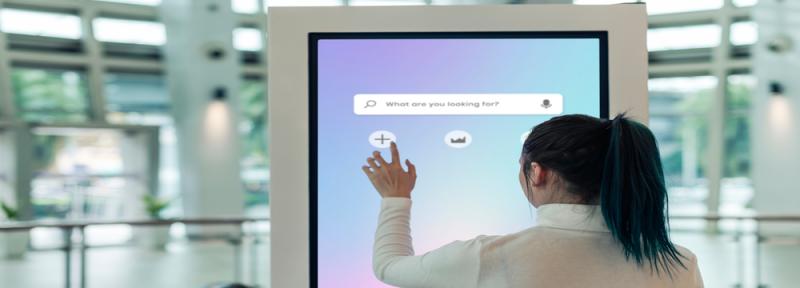
Healthcare facilities across the UK are busy environments where clear, timely communication is critical. Traditional printed signs often can’t keep up with frequent updates or urgent announcements, leading to confusion and delays.
This is where digital signage excels. With dynamic, real-time displays, hospitals can quickly share directions, alerts, and health information, creating a smoother experience for patients, visitors, and staff.
This article explores the role of digital signage in UK healthcare, its benefits, and why it’s becoming a must-have for modern hospitals.
Why Digital Signage Matters In UK Healthcare
Hospitals in the UK deal with thousands of patients, visitors, and staff each day, making fast, accurate communication essential.
Key reasons why digital signage is transforming UK hospitals:
Instant updates:
Share emergency alerts or critical announcements immediately.
Better navigation:
Provide clear, real-time directions to reduce confusion.
Saves staff time:
Minimizes repetitive questions and manual updates.
Higher engagement:
Dynamic displays capture attention better than static signs.
Lower long-term costs:
Cuts down on printing and replacement expenses.
Ensuring Compliance And Accessibility In Digital Signage
In the UK, healthcare facilities must follow strict regulations to protect patient data and ensure accessibility for everyone. This is a vital consideration before rolling out any digital signage solution.
Key compliance and accessibility considerations:
General Data Protection Regulation (GDPR) compliance:
Digital signage must never display identifiable patient information unless it is fully secure and anonymized. Data privacy must be prioritized to avoid breaches and legal consequences.National Health Service (NHS) digital standards:
Hospitals should ensure their systems align with NHS technology and communication standards for safe, efficient, and real-time updates.Accessibility for all users:
Displays should be designed with inclusivity in mind. High-contrast visuals, large fonts, and clear layouts are essential to assist visually impaired visitors. Where possible, audio announcements and multilingual content should be included.
By addressing these factors, hospitals can ensure their digital signage solutions are both legally compliant and user-friendly for everyone.
Strategic Placement For Maximum Impact
The effectiveness of digital signage depends on where it’s placed. By positioning screens strategically, hospitals can improve communication across their facilities:
Lobbies & Reception Areas: Welcome visitors, display directions, and share updates.
Hallways: Guide patients to departments and prevent congestion.
Waiting Rooms: Provide health tips, calming visuals, and real-time queue updates.
Canteens & Staff Rooms: Share announcements and staff schedules.
Entrances & Parking Areas: Direct visitors, display safety alerts, and promote events like vaccination drives.
Hospitals should look for the sale of outdoor LED screens in the UK to enhance communication at entrances, parking areas, and emergency zones, ensuring messages stay clear and visible in any weather.
Enhancing Patient And Visitor Experience
1. Easier Navigation
Large hospitals can be confusing to navigate. Digital wayfinding screens help visitors find their way independently, reducing stress and wait times.
2. Reducing Anxiety
Waiting rooms can be stressful. Displays showing soothing visuals, health information, or entertainment create a calming atmosphere.
Real-time queue updates also reduce frustration and uncertainty.
3. Educating Patients
Hospitals can share important health information, hygiene tips, and wellness program details, turning waiting time into learning time.
Benefits For Healthcare Staff
Digital signage improves internal communication as well:
Emergency alerts: Notify teams instantly about urgent situations.
Shift updates: Share real-time schedule changes.
Training reminders: Highlight upcoming sessions and policy updates.
Staff recognition: Celebrate achievements and boost morale.
This keeps staff informed and focused on patient care, improving overall hospital efficiency.
Integrating Digital Signage With Hospital Systems
For maximum impact, digital signage should integrate seamlessly with other hospital technologies, creating a connected, intelligent environment.
Examples of valuable integrations include:
Electronic Health Records (EHRs):
Display anonymized updates such as queue progress or service delays automatically.Appointment Scheduling Systems:
Provide real-time notifications for cancellations, delays, or check-in reminders.Internet of Things (IoT) Devices:
Utilize smart sensors to display real-time occupancy in parking areas, waiting rooms, or hospital wards.Security and Emergency Systems:
Broadcast critical alerts instantly across the facility during incidents like fires or lockdowns.
These integrations reduce manual work and ensure patients, visitors, and staff always have the latest information.
Future Of Healthcare Communication
As UK healthcare becomes increasingly technology-driven, digital signage will continue to evolve. Emerging trends include:
AI-powered personalization: Tailoring messages to different patient groups based on demographics or needs.
Integration with hospital management systems: Fully automated, real-time updates with minimal human intervention.
Interactive touchscreens: Self-check-ins and on-demand service information for patients.
Data analytics: Tracking engagement to refine communication strategies.
Sustainable digital signage: Energy-efficient LED displays that align with environmental goals.
These innovations promise even more efficient, patient-focused communication in the years ahead.
Final Thought
Digital signage is more than just modern screens—it’s a powerful communication tool that improves navigation, reduces stress, and keeps everyone informed.
By embracing this technology, hospitals can create a smoother, more positive experience for patients, visitors, and staff alike.
Read more: apsense.com
Post Your Ad Here
Comments