Do you know what chemical elements are in stainless steel?
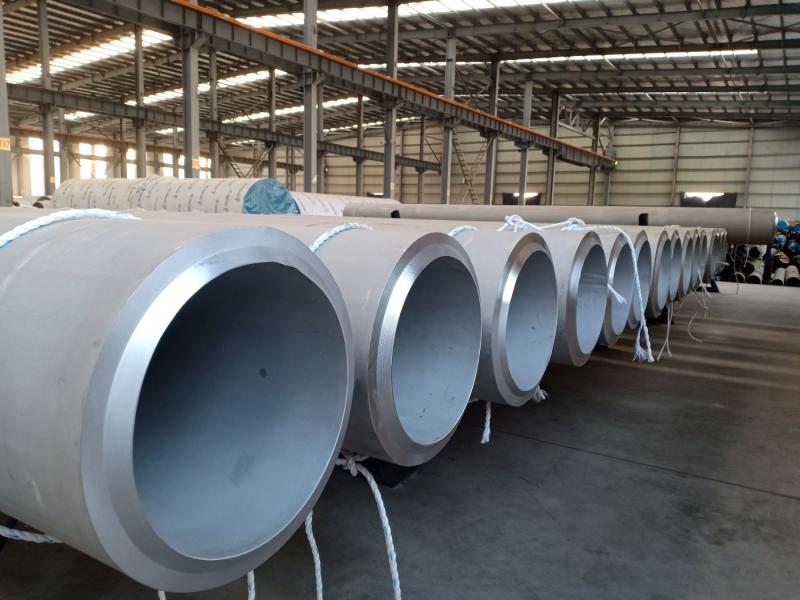
Stainless steel is widely used in our lives, but do you know what elements stainless steel is composed of? All reflect the functions? I recently summarized it for you, and there are about 19 types. Next, the editor will expand and talk about it.
1. Chromium (Cr): Chromium element is the core of stainless steel. The minimum threshold of chromium element in stainless steel is ≥10.5%. The Cr2O3 passivation film can prevent metal corrosion.
2. Carbon (C): Most stainless steel contains carbon. Carbon element can increase the strength and hardness of the metal. It can also destroy the passivation film and cause intergranular corrosion. Therefore, the negative impact of carbon needs to be solved by "carbon control" (such as low-carbon grade 304L) or "adding stabilizing elements" (such as Nb, Ti).
3. Nickel (Ni): Nickel element improves corrosion resistance (especially resistance to intergranular corrosion), toughness and processability (such as welding, stamping); it works synergistically with chromium to greatly enhance pitting corrosion resistance.
4. Molybdenum (Mo): Molybdenum is also an anti-corrosion element, which can significantly improve the resistance to pitting corrosion and crevice corrosion (for chloride ion environments, such as seawater and chemical solutions) while enhancing high-temperature strength and wear resistance.
5. Manganese (Mn): In low-nickel or nickel-free stainless steel, manganese can partially replace nickel to stabilize the austenite structure and reduce costs; it also improves the strength and wear resistance of the steel, but excessive manganese will reduce corrosion resistance.
6. Silicon (Si): It plays a deoxidizing role during smelting and improves the purity of steel; in high-temperature environments (such as furnaces and heat exchangers), silicon can form a silicon oxide (SiO₂) film to enhance high-temperature oxidation resistance; at the same time, it improves the hardness and wear resistance of steel.
7. Niobium (Nb): Niobium is a stable element that resists intergranular corrosion. It can preferentially combine with carbon to form carbide NbC, prevent carbon from combining with chromium, and completely solve the problem of intergranular corrosion.
8. Titanium (Ti): It has the same effect as niobium. It preferentially combines with carbon to form carbide TiC to avoid the precipitation of chromium carbide and damage the passivation film.
9. Sulfur (S): Sulfur is destructive and can destroy the continuity of metal, so the national standard GB/T 20878-2024, Article 4.5 "Unless there are special technical requirements that stipulate a lower limit value, the sulfur content of various types of stainless steel should not exceed 0.030%, but does not include free-cutting steel." As the name suggests, sulfur-containing stainless steel is easy to cut.
10. Selenium (Se): Forms selenide in steel, destroys the continuity of metal, reduces cutting resistance, and improves processing efficiency.
11. Nitrogen (N): Nitrogen is a high-strength strengthening element that can replace part of nickel to stabilize the austenite structure. At the same time, it improves the strength of steel through "solid solution strengthening" (without reducing toughness); it also enhances pitting corrosion resistance (better in synergy with molybdenum).
12. Cu
13. Phosphorus (P): The phosphorus element is the same as the sulfur element and has a destructive effect, except for free-cutting steel. The national standard stipulates that the content is controlled at 0.040-0.045%.
14. Aluminum (Al): Aluminum is relatively rare in stainless steel and is a functional element that can significantly improve high-temperature oxidation resistance and corrosion resistance. Al2O3 is superior to Cr2O3 in terms of high-temperature resistance and corrosion resistance.
15. Boron (B): It is a trace additive element, usually with a content of ≤0.01%, and in most cases only 0.0005%-0.005%. It mainly improves weldability and inhibits welding cracks.
16. Cerium (Ce): The role of cerium in stainless steel is mainly to optimize, reduce the impact of impurities, and improve corrosion resistance. Excessive use will also cause side effects, so it needs to be strictly controlled.
17. Tungsten (W): The role of tungsten in stainless steel is mainly to enhance wear resistance and erosion and corrosion resistance. It can also improve high-temperature strength and creep resistance. Because it affects plasticity, weldability, etc., the dosage also needs to be strictly controlled.
18. Cobalt (Co): It can significantly improve high-temperature strength and creep resistance, optimize wear resistance and hardness, and can adjust the magnetic properties of magnetic stainless steel. (The price is extremely expensive)
19. Vanadium (V): It mainly refines the grains to optimize mechanical properties, stabilizes carbon elements and inhibits intergranular corrosion, while consuming energy to increase strength and enhance wear resistance.
More info: https://www.sinosteel-pipe.com/en/blog-5662200053243607.html
Post Your Ad Here
Comments