Safety Features Every Electrical Control Panel Should Have
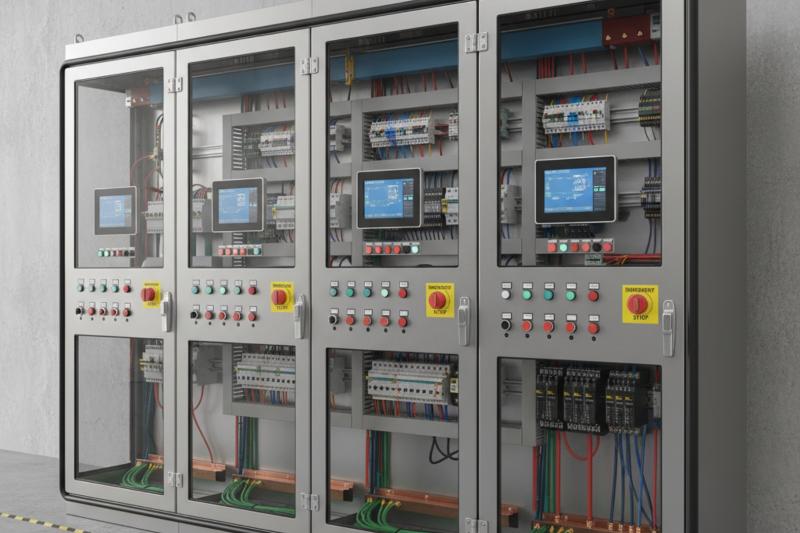
When you work around industrial machinery long enough, you realize that an electrical control panel is more than a metal box with wires. It’s the brain of your entire system—and if it fails, everything fails. As an electrical control panel manufacturer, I’ve seen how small safety oversights can lead to expensive downtime, equipment burnout, and in the worst cases, life-threatening accidents.
This guide walks you through the essential safety features every panel should have, why they matter, and what real-world installations teach us.
Key Takeaways
Electrical panels are high-risk equipment—safety features reduce fire, shock, and operational hazards.
Essential protections include overload devices, proper grounding, enclosure ratings, interlocks, labeling, surge protection, and more.
A reputable electrical control panel manufacturer ensures compliance with IEC, NEC, and safety codes.
Real-world case examples show how the right features prevent costly failures.
Why Safety Features Matter in Modern Electrical Control Panels
Electrical panels have evolved. Higher automation, more sensors, and faster machines create bigger electrical loads—and bigger risks.
Studies from NFPA and OSHA consistently show that electrical failures are among the top causes of industrial fires. In many audits I’ve done over the years, missing safety devices were always the common culprit.
Core Safety Features Every Electrical Control Panel Must Have
1. Overcurrent & Overload Protection (The Basics That Save Lives)
Circuit breakers, MCCBs, MCBs, and overload relays stop dangerous current surges before they damage equipment or spark a fire.
Why it matters:
- Prevents motor burnout
- Stops wire overheating
- Ensures safe startup and shutdown cycles
Many secondary issues vanish when this is implemented correctly.
2. Emergency Stop (E-Stop) & Safety Interlocks
A well-designed panel must allow operators to instantly cut power during danger.
Must-have protection:
- E-Stop buttons
- Door interlocks
- Safety relays
Real example:
A packaging plant I worked with saw a 23% reduction in mechanical accidents after installing interlocked control panels across the line.
3. Proper Earthing & Grounding System
This prevents shock hazards and ensures fault current safely discharges.
No compromise here—bad grounding is a silent killer.
4. Short-Circuit & Arc-Flash Protection
Arc faults can generate temperatures hotter than the surface of the sun. That’s why serious panels follow IEC 61439 and NEC standards.
Key devices:
- HRC fuses
- Arc-flash relays
- Current-limiting breakers
5. Surge Protection Devices (SPDs)
Modern panels control PLCs, drives, sensors, and expensive electronics. Surge protection shields them from lightning and grid fluctuations.
Case Study:
A food-processing factory in Pune used to lose servo drives every monsoon season. After adding SPDs and proper earthing, they went two years with zero surge-related breakdowns.
6. High-Quality Enclosures (IP/NEMA Rated)
A control panel is only as safe as its enclosure.
IP65 or NEMA-rated enclosures protect against:
- dust
- moisture
- oil splashes
- corrosive environments
Outdoor installations must be stainless steel or coated CRCA.
7. Clear Labels, Wiring Documentation & Color Coding
Operators shouldn’t have to “guess” what a wire does.
Good labeling includes:
- terminal marking
- incoming/outgoing tag numbers
- breaker identification
- wire color codes as per IS/IEC standards
This speeds maintenance and reduces human error.
8. Cable Management, Ducting & Segregation
Neatly routed cables are not just a visual preference—they prevent overheating and accidental shorts.
Best practices:
- Separate power & control wiring
- Avoid running communication cables near VFD power lines
- Use ferrules and proper lugging
9. Cooling & Ventilation Systems
Overheating is one of the top panel killers.
Options:
- ventilation fans
- heat exchangers
- AC units for VFD-heavy panels
10. Built-In Monitoring & Fault Diagnostics
Smart panel now include:
- temperature sensors
- overload trip history
- phase monitoring relays
- predictive maintenance analytics
This prevents downtime and improves reliability.
Final Thoughts
A safe electrical control panel is not optional—it’s a responsibility. Whether you’re running a plant, upgrading equipment, or building a new system, choosing a trusted electrical control panel manufacturer ensures compliance, safety, and long-term savings.
If you’re planning a new installation or need a panel audit, I can help you map out the exact safety features you’ll need.
FAQs
1. What is the most important safety feature in an electrical control panel?
Overcurrent protection and proper grounding are the two most critical safety features.
2. How often should control panels be inspected?
Most industrial sites inspect panels every 6–12 months.
3. What does an IP rating mean on a control panel?
IP rating indicates protection against dust and moisture. Higher ratings (IP55, IP65) offer better protection.
4. Why are interlocks used in control panels?
They prevent operators from opening live panels, reducing shock risk.
5. Is surge protection mandatory?
It’s not always mandatory, but highly recommended, especially for PLC or VFD-based systems.
6. Can old control panels be upgraded for safety?
Yes, safety retrofitting is common and cost-effective.
7. What standards should electrical control panels follow?
IEC 61439, NEC, IS standards, and OSHA guidelines depending on region.
8. What is the ideal enclosure material for outdoor panels?
Stainless Steel (SS304/SS316) is best for corrosion resistance.

Post Your Ad Here
Comments