Essential Safety Tips When Working with Electrical Control Panels
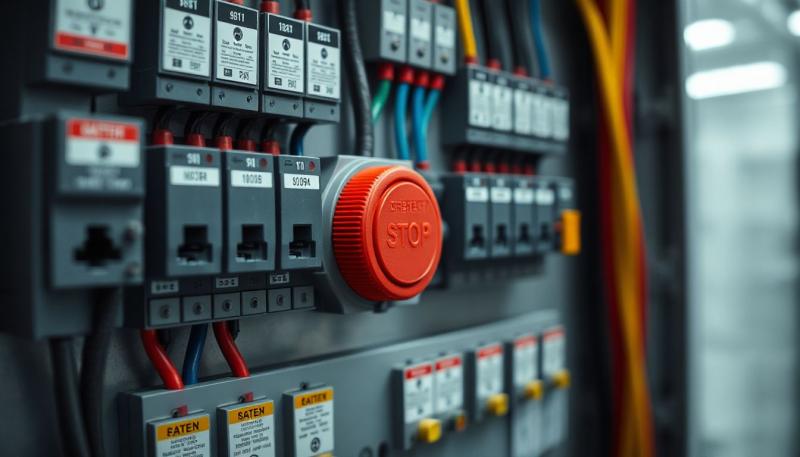
When you walk into an industrial facility whether it’s a factory, a manufacturing plant, or even a renewable energy site—you’ll likely see one thing in common: electrical control panels. They might look like simple metal boxes mounted on walls, but inside those panels lies the brain of industrial automation. These enclosures control, monitor, and distribute electrical power that keeps entire systems running smoothly.
However, working with these panels is no casual affair. One small mistake like an improper connection, lack of grounding, or even touching the wrong terminal can lead to severe electrical hazards. That’s why safety should always be the first priority.
Let’s take a closer look at what electrical control panels are, how they function, and most importantly, how to handle them safely.
What Exactly Is an Electrical Control Panel?
In simple terms, an electrical control panel is a centralized system that houses electrical components used to control mechanical processes. Think of it as the command center of an industrial setup, it receives electricity from the main power source, distributes it efficiently, and regulates operations through switches, relays, circuit breakers, and controllers.
You’ll find these panels everywhere—from small workshops with basic power distribution boards to large factories running complex power control centers (PCCs).
Here’s an easy analogy: imagine your factory as a human body. The machines are the muscles, and the electrical control panel acts as the brain and nervous system—sending signals, regulating movements, and ensuring everything works in perfect coordination.
Main Components Inside an Electrical Control Panel
Every control panel has its own design depending on its purpose, but most include the following key components:
Main Circuit Breaker:
This is the panel’s gatekeeper. It controls the incoming power supply and protects the system from overloads or short circuits.
Bus Bars:
These are conductive strips (usually copper or aluminum) that distribute power to various circuits within the panel.
Relays and Contactors:
Acting like electrically controlled switches, they manage when and how certain devices turn on or off.
Overload Relays:
These provide protection for motors by cutting power when a motor draws too much current.
Fuses and MCBs (Miniature Circuit Breakers):
They act as safety devices, protecting the circuits from damage caused by excess current.
Terminal Blocks:
Used for connecting wires securely, ensuring neat wiring and ease of maintenance.
PLC (Programmable Logic Controller):
The “smart” brain of modern control panels—responsible for automation, logic sequencing, and communication with other systems.
Indicators and Switches:
The control interface where operators monitor status lights, toggle switches, and meters.
Each component must be properly selected, rated, and tested during electrical panel design, ensuring not just functionality but also long-term safety and efficiency.
Types of Control Panels You’ll Encounter
Control panels vary widely depending on their function. Here are a few common ones:
Power Control Center (PCC):
Handles high-capacity power distribution for large industrial setups. It’s the backbone of many factories.
Motor Control Center (MCC):
Specifically designed to control multiple motors from a central point, commonly found in conveyor systems, pumps, and HVAC units.
Used in setups with multiple generators, ensuring balanced load distribution and smooth power transitions.
Power Distribution Board:
A simpler version of a control panel used for splitting electrical power into subsidiary circuits.
Automation Control Panels:
These are where industrial automation truly shines. Equipped with PLCs, HMIs, and sensors, they allow operators to automate production lines and monitor real-time data.
Each type has its own design standards and safety guidelines, depending on the electrical control panel manufacturer and the intended environment.
Why Safety Matters More Than Ever
Here’s a story that illustrates the point.
A maintenance technician at a textile factory once tried to fix a motor fault without fully isolating the power supply. The control panel looked off but in reality, one live circuit was still active. The result? A severe electrical shock that led to burns and downtime.
The lesson here is simple: never assume a panel is safe until you’ve verified it.
Electrical control panels carry high voltages and currents. Without proper precautions, accidents can lead to serious injuries, fires, or equipment damage. Beyond personal harm, unsafe practices can also result in production delays and costly repairs.
Essential Safety Tips for Working with Electrical Control Panels
Let’s dive into some practical safety measures every technician, engineer, or operator should follow:
1. Always Disconnect Power Before Work
Before touching or opening a control panel, ensure complete isolation from the main power supply. Use lockout-tagout (LOTO) procedures so that no one accidentally switches it back on during maintenance.
2. Use the Right Tools and Protective Gear
Non-conductive gloves, insulated tools, and safety goggles aren’t just formalities—they’re life savers. Avoid using worn-out screwdrivers or damaged insulation tapes.
3. Understand the Panel Layout
Before starting work, study the electrical panel design or wiring diagram. This helps identify live circuits, control circuits, and grounding points.
4. Check for Residual Voltage
Even after turning off power, capacitors may still hold charge. Use a multimeter to test for any residual voltage before proceeding.
5. Keep the Environment Dry and Clean
Moisture and dust are silent enemies of electrical equipment. A damp floor or open control panel can easily cause short circuits or corrosion.
6. Ensure Proper Grounding and Earthing
A well-grounded system prevents electric shock and ensures fault currents are safely directed away from sensitive components.
7. Label Everything Clearly
Proper labeling on terminals, fuses, and switches helps technicians quickly identify circuits and reduces the risk of human error.
8. Avoid Overloading Circuits
Overloading causes overheating and can damage both wiring and equipment. Make sure the load is within the rated capacity of each circuit breaker and contactor.
9. Schedule Regular Inspections
Preventive maintenance goes a long way. Routine inspections by qualified personnel help detect loose connections, corrosion, or insulation wear before they become serious hazards.
10. Work Only If You’re Qualified
This one’s non-negotiable. Electrical control panels should only be handled by certified professionals. A little curiosity can be dangerous if you’re not trained for it.
Best Practices in Electrical Panel Design
Safety isn’t just about how you handle a control panel—it also starts with how it’s designed and built. A reliable electrical control panel manufacturer will follow strict standards like IEC or NEMA to ensure panels are safe, efficient, and easy to maintain.
Here are a few design insights:
Proper Component Selection: Use only rated components suitable for the operating voltage, current, and environmental conditions.
Adequate Spacing: Allow sufficient clearance between components for heat dissipation and safe maintenance.
Ventilation: Overheating can shorten component life. Panels should have ventilation grills or cooling fans.
Wire Management: Neatly organized wiring reduces clutter and simplifies troubleshooting.
Emergency Stops: Panels should include emergency switches for quick power cutoff during hazards.
Good design is what turns a simple metal box into a safe, dependable power control center.
The Role of Control Panels in Modern Industrial Automation
Today’s industries rely heavily on industrial automation, and electrical control panels are at its core. From packaging machines to renewable energy systems, panels ensure smooth operation, safety, and efficiency.
For instance, in a solar power plant, the load sharing panel balances power generation and battery storage. In a bottling plant, automation panels coordinate conveyor belts, filling machines, and labeling systems—all in real-time.
Simply put, these panels make it possible for industries to run 24/7 with minimal human intervention. But with great power comes great responsibility—keeping them safe and well-maintained is critical.
A Few Final Thoughts
Working with electrical control panels can be both fascinating and challenging. Every time you open one, you’re essentially looking at the heartbeat of an industrial system. But whether you’re an engineer designing a power distribution board or a technician performing routine maintenance, safety must never take a back seat.
Choose a reputable electrical control panel manufacturer, follow standard procedures, and always respect electricity—it demands both understanding and caution.
As someone who’s seen panels ranging from small workshop boards to large industrial setups, I can tell you one thing for sure: attention to safety details is what separates a smooth-running system from a potential disaster.
So the next time you step into a control room or approach that steel enclosure, pause for a second—double-check your safety steps. Because when it comes to electrical control panels, prevention truly is better than cure.
Frequently Asked Questions (FAQs)
1. What are the different types of electrical control panels?
Electrical control panels come in several types depending on their purpose and complexity—like Power Control Centers (PCCs), Motor Control Centers (MCCs), Automation Panels (PLC, HMI-based), and Distribution Boards. Each serves a specific function in managing and distributing power efficiently.
2. How do I choose the right control panel for my application?
Choosing the right control panel depends on factors such as load capacity, environment (indoor or outdoor), level of automation, and safety requirements. A good control panel manufacturer will help you customize the design for your exact needs.
Explore options in our post: Main Types of Electrical Control Panels and Their Applications
3. How can I ensure safe electrical panel design?
Choose a trusted electrical control panel manufacturer who follows international safety standards (like IEC or NEMA). Proper component selection, ventilation, grounding, and clear labeling are key elements of a safe and efficient electrical panel design.
4. How often should electrical panels be inspected or maintained?
Routine inspections should be done at least once every 6–12 months by a qualified technician. Preventive maintenance helps detect loose connections, overheating, or insulation wear—ensuring long-term reliability and safety.

Post Your Ad Here
Comments (1)
Jack Lim2
All about Education
interesting! Article