Wisdom Teeth Removal 101 for Ohio Families: What to Expect Before, During, and After Surgery
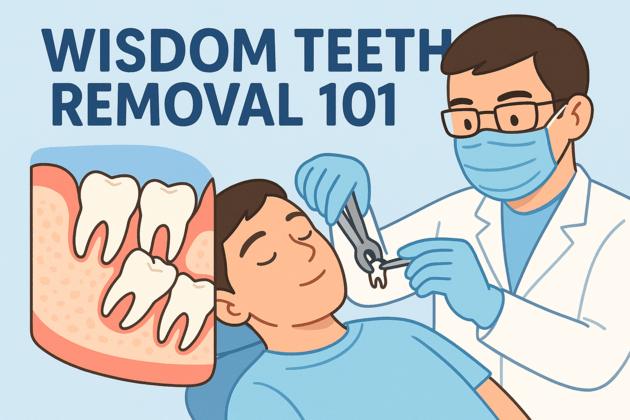
If you have a teenager in Beavercreek, West Chester, Dayton, or Cincinnati, there’s a good chance “wisdom teeth” is going to show up on your to-do list sooner or later.
Usually it starts with a line from the dentist:
“Everything looks good… but it’s time to have the wisdom teeth checked by a specialist.”
Cue the questions.
Is surgery really necessary?
How bad is the pain?
How long will my kid be out of school or off work?
Let’s walk through the entire process like a real-world guide – from that first referral to the last soft-food meal – so you know what to expect and how a specialist like the new doctor in BC and WC fits into the picture.
Why wisdom teeth cause so much trouble
Wisdom teeth are your third molars, the last teeth to come in, usually between ages 16 and 25. By the time they try to erupt, your jaw has already finished most of its growing. For a lot of people, there simply isn’t enough room left in the back of the mouth.
That’s when problems start:
The teeth grow sideways or at an angle
They only partially break through the gum, creating a flap that traps food and bacteria
They stay completely buried in bone and push against the molars in front of them
They create pressure, infections, or damage to nearby roots
Not everyone needs their wisdom teeth removed. But for many teens and young adults, taking them out before they cause serious trouble is the safest, least painful option.
That’s why general dentists in the area often refer out to an oral surgeon – especially now that there’s a new doctor in BC and WC who focuses on these exact procedures all day, every day.
Step 1: The consultation
The process usually starts with a consult at the oral surgery office.
Here’s what typically happens:
Review of your dentist’s X-rays – The surgeon looks at how the wisdom teeth are positioned and how close they are to nerves, sinuses, and other roots.
New imaging if needed – Many modern offices use 3D cone beam scans to see the teeth in all directions. This makes surgery safer and more predictable, especially for deeply impacted teeth.
Health history – Medications, allergies, medical conditions, previous surgeries, and any history of anxiety around dental work all matter.
Game plan – The surgeon explains whether all four teeth should come out, what type of sedation is recommended, how long the procedure will take, and what recovery should look like.
This is the perfect time to ask every question you’ve been saving. A specialist like the new doctor in BC and WC is used to walking families through the same concerns over and over – that’s part of the job.
Step 2: Before surgery – how to prepare
Once a date is set, you’ll get detailed instructions, but the big points are:
Fasting – For IV sedation or general anesthesia, your teen will usually need to avoid food and drink for a set number of hours before surgery.
Comfortable clothes – Short sleeves (for IV access), no big jewelry, and nothing you’d hate to get a little drool or gauze on.
Driver required – Sedation means no driving, no Uber alone, and no walking home. A parent or trusted adult needs to bring them and take them back.
Pharmacy plan – Fill any prescriptions (pain meds, anti-nausea meds, rinse) as soon as possible so you’re not hunting for a pharmacy after surgery.
Set up a “recovery nest” – Extra pillows to keep the head elevated, a towel for drool, ice packs in the freezer, and a lineup of soft foods: yogurt, pudding, smoothies, mashed potatoes, scrambled eggs, etc.
It sounds like a lot, but once you’ve done it, you’ll realize it’s basically “prepare like your teenager is getting a day of permission to nap and watch shows,” just with a little more gauze involved.
Step 3: What happens during wisdom teeth surgery
On surgery day, things usually move quickly.
Check-in and consent – You’ll go over the plan one more time and sign consent forms.
Sedation and monitoring – The team hooks up monitors for heart rate, blood pressure, and oxygen levels. Medication is given through a small IV line so your teen can sleep comfortably through the procedure.
Removal – The surgeon gently opens the gum, removes bone as needed, sections the tooth if it’s impacted, and then takes the tooth out in pieces or as a whole.
Stitches – Some sites are closed with dissolvable sutures; others may just need a few stitches that fall out on their own.
Recovery room – They’ll wake up groggy but usually comfortable, with gauze in place and someone watching vitals until it’s safe to go home.
Choosing a wisdom-teeth specialist really matters here. Choosing a new doctor in BC and WC who uses modern imaging and gentle sedation can make the difference between a rough recovery and a smooth, low-stress experience for your teen.
Most surgeries for all four wisdom teeth take less than an hour once everything is set up. Parents are often surprised by how fast it goes.
Step 4: The first 24 hours after surgery
This is usually the “need the most supervision” window.
What to expect:
Grogginess – The sedation medicine lingers a bit, so plan for napping, wandering stories, and funny half-asleep comments.
Bleeding and gauze – Some oozing is normal. You’ll swap out gauze packs as directed until things slow down.
Ice, ice, ice – Applying ice packs on the cheeks in 15-minutes-on / 15-minutes-off cycles helps control swelling.
Medications on schedule – Don’t wait for pain to become severe. Follow the schedule your surgeon gives you (often a mix of prescription meds and over-the-counter options).
No straws, no spitting, no smoking – Anything that creates suction in the mouth can dislodge the blood clot and increase the risk of dry socket.
Most teens actually do surprisingly well as long as the home instructions are followed. The stories people trade about “horror recoveries” usually involve not taking medications on time, ignoring food rules, or going back to sports and activities way too early.
Step 5: Days 2–5 – the “puffy chipmunk” phase
Swelling usually peaks around day two or three, then slowly goes down.
Face shape – Expect puffiness, especially if multiple teeth were impacted. This is normal.
Bruising – Some patients see yellow or purple bruising along the jaw or neck. It looks worse than it feels.
Diet – Soft foods continue: soups (not too hot), oatmeal, mac and cheese, smoothies with a spoon. Anything crunchy, hard, or with little seeds should wait.
Activity – Gentle walking is fine; intense exercise, contact sports, or heavy lifting should be avoided until the surgeon clears it.
If pain suddenly increases after it had been getting better, or if there is a bad taste, fever, or unusual discharge, that’s your cue to call the surgeon’s office. With the new doctor in BC and WC, you’ll typically get clear instructions on what’s normal and when they want to hear from you.
Step 6: Long-term healing
The mouth heals quickly, but bone takes a little longer. Most patients feel “back to normal” within 7–10 days, but full internal healing can take several weeks.
Follow-up may include:
A quick visit to check healing and remove any remaining sutures
Instructions on gently cleaning the area with a syringe or special rinse
Guidance on when your teen can return to sports, band, or other activities
Once healed, those wisdom teeth are off the worry list for good. No more late-night pain, infections around half-erupted teeth, or pressure on the molars in front.
Helping your family feel confident about wisdom teeth removal
Nobody loves the idea of surgery, especially when it involves their child. But understanding the process takes a lot of the fear out of it.
Here’s the short version:
Your general dentist spots a problem and refers you out
A specialist evaluates the teeth and creates a safe plan
You prepare at home with soft foods, meds, and a recovery space
Surgery day is mostly sedation, precision, and then rest
The first few days are about ice, meds, and taking it easy
Within a week or so, life starts to feel normal again
Having a trusted specialist nearby makes everything easier. The new doctor in BC and WC gives families in the Dayton / Cincinnati corridor a local, focused option for wisdom-teeth surgery – without long drives or big-city hospital stress.
If your dentist has mentioned wisdom teeth at your teen’s last visit, this is a good time to get ahead of it, ask questions, and schedule a consult. A little planning now can prevent a lot of pain (and one very bad weekend) later.
Post Your Ad Here
Comments