How Biomechanics Consultants Improve Workplace Safety
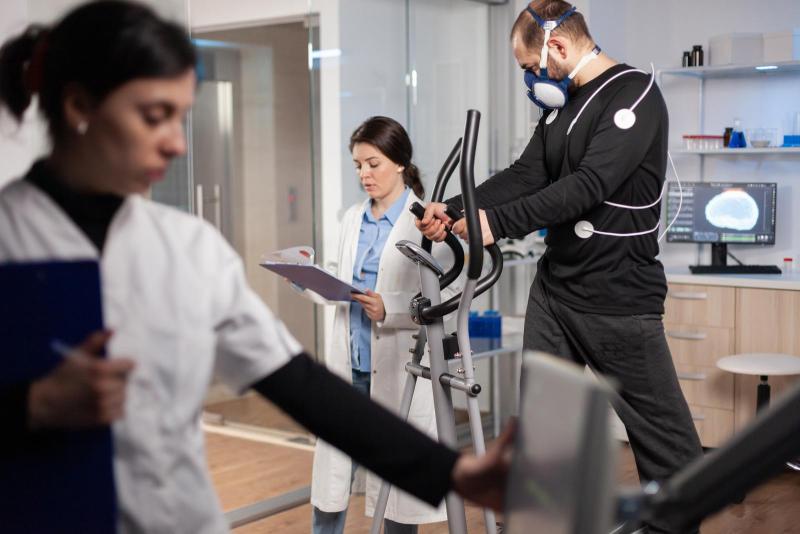
Work-related musculoskeletal disorders account for a significant percentage of workplace injuries each year, affecting productivity, workforce morale, and organizational costs. Many of these injuries are not the result of sudden accidents, but cumulative strain caused by improper lifting, repetitive movement, awkward posture, or poorly designed work environments. Companies that want to reduce these avoidable injuries increasingly rely on experienced biomechanics consultants to evaluate the physical demands of workplace tasks and provide engineering-based solutions rooted in human movement science.
Biomechanics applies the principles of physics and human physiology to analyze how the body moves under load. In the workplace, this means studying how employees bend, twist, lift, push, pull, stand, or sit while performing their tasks. The goal is simple: identify the biomechanical factors creating unnecessary strain and modify the job environment, tools, or workflow to reduce risk.
Understanding the Source of Workplace Injury Risk
Traditional safety programs often focus on compliance and training. While valuable, rules alone cannot solve problems that are physically built into the job. If an employee must repeatedly twist under load or lift heavy items above shoulder height, injuries will remain common no matter how many times workers are told to “lift safely.”
This is where biomechanical evaluation becomes essential.
Biomechanics consultants analyze factors such as:
Joint angles during work tasks
Spinal compression forces
Torque at major joints
Center of gravity shifts under load
Movement repetition rates
Task frequency and duration
Fatigue-related form breakdown
By quantifying these elements, they can show objectively not through opinion, but through measurable data which tasks pose the greatest injury potential and why.
On-Site Assessments and Motion Analysis
Many workplace injuries stem from subtle but repetitive stresses that accumulate over time. An on-site biomechanics assessment begins with direct observation of employees performing real tasks under typical conditions. Consultants may capture video, apply motion analysis software, track posture, and measure external loads.
Advanced assessments may include:
3D kinematic motion tracking
Force plate measurements
Pressure mapping
Dynamic posture analysis
Real-time movement modeling
From these measurements, consultants generate a detailed understanding of how job design affects worker physiology.
For example, if a particular workstation forces employees to reach overhead hundreds of times per shift, the consultant can demonstrate precisely how much shoulder torque is created and how reducing those reaches may significantly lower injury likelihood.
Turning Analysis Into Actionable Solutions
The true value of working with biomechanics consultants lies not only in the analysis but in the solutions developed afterward. Once risk factors are identified, they collaborate with safety professionals, engineers, production managers, and department leads to create interventions that are realistic and cost-effective.
These recommendations may include:
Repositioning tools, controls, or materials
Introducing assistive lifting devices
Redesigning workstation layouts
Reducing unnecessary reach distances
Altering work heights to improve neutral posture
Modifying job rotation schedules
Adjusting work pace to reduce fatigue
In many cases, small changes deliver substantial improvements. Lowering a work surface by just a few inches may keep workers in a neutral spine posture instead of a flexed position, eliminating compression forces that contribute to back injuries.
Data-Driven Ergonomics Programs
Organizations that want sustainable improvement often adopt a long-term ergonomics program guided by ongoing biomechanics evaluation. This ensures that safety evolves alongside company growth, equipment changes, and evolving production demands.
A long-term program may include:
Periodic reassessment of changing work tasks
Analysis of injury patterns and safety metrics
Employee education informed by real data
Designing new equipment with ergonomic considerations
Early intervention for jobs with rising strain scores
The result is a proactive safety culture in which decisions are rooted in evidence rather than assumption.
Reducing Compensation Costs and Lost Time
Workplace musculoskeletal injuries are among the most expensive claims for employers. They can lead to:
Medical bills
Lost workdays
Temporary or permanent disability
Hiring and training replacement staff
Increased insurance costs
By identifying and eliminating the physical causes of injuries before they happen, companies can significantly reduce these financial burdens.
One of the reasons many organizations partner with biomechanics consultants is the measurable return on investment. Lower injury rates contribute directly to productivity, cost savings, and workforce satisfaction.
A Safer Workplace Benefits Everyone
Beyond the financial advantages, improving workplace biomechanics builds positive employee culture. Workers feel safer, jobs become easier to perform, and management demonstrates a tangible commitment to worker well-being.
Biomechanics provides clarity, measurable proof, and practical solutions that address the real physical demands placed on workers daily. Companies adopting this approach move beyond compliance and toward engineering out injury risk at the source. For organizations aiming to protect their workforce, improve performance, and reduce long-term safety costs, partnering with experienced biomechanics consultants offers a highly effective path forward.
Post Your Ad Here
Comments