Five Reasons Your Recruitment Process is Losing Top Talent to Competitors

Every year, thousands of highly qualified candidates walk away from job opportunities. They don't always say why. They simply go silent, accept offers from competing firms, or decline positions that seemed perfect on paper. If you're running a recruiting firm or managing hiring across your organisation, this pattern likely frustrates you.
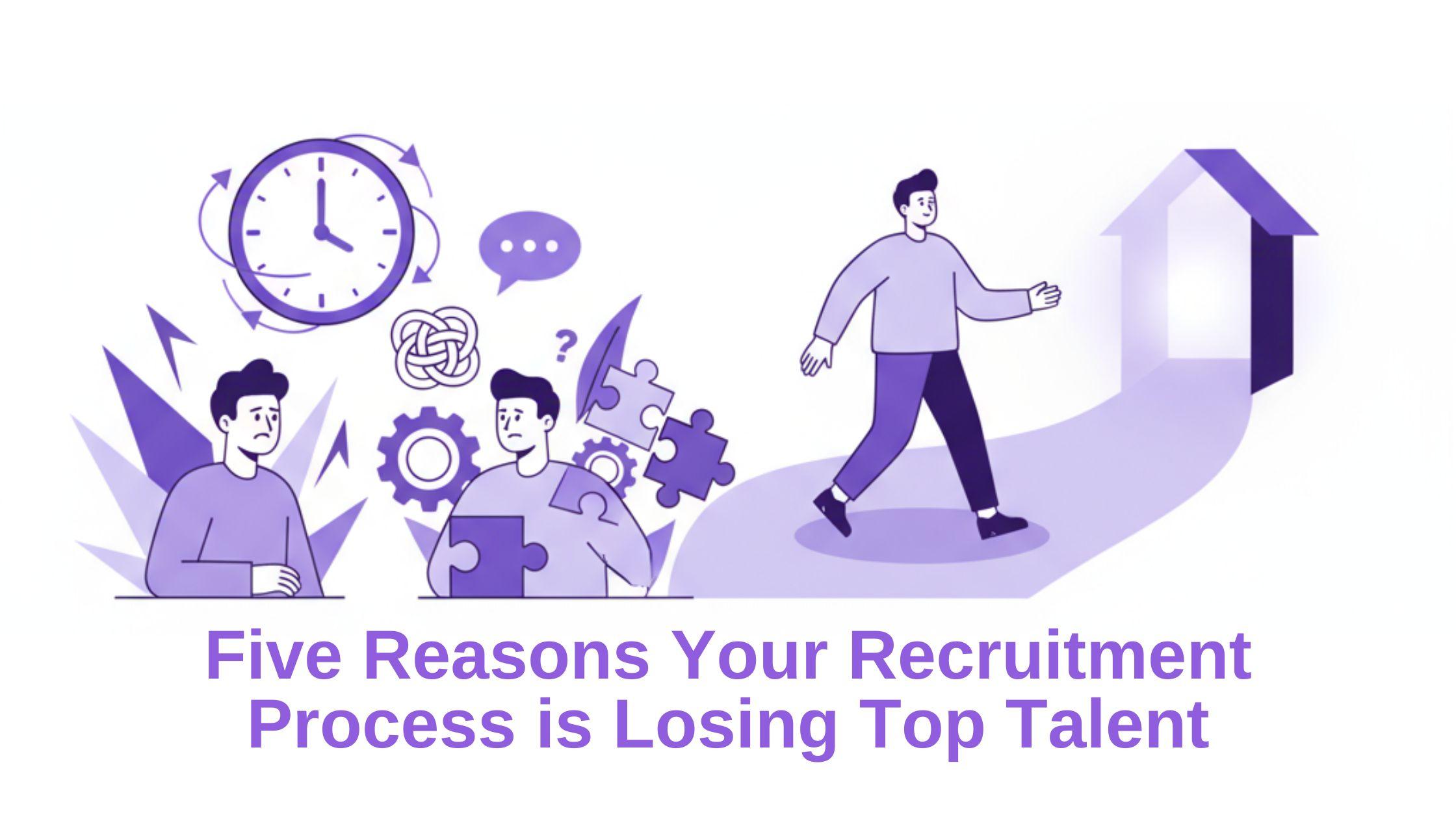 The question isn't whether your competitors are winning talent wars. The
question is why. More importantly, consider what actions you can take to
address this issue.
The question isn't whether your competitors are winning talent wars. The
question is why. More importantly, consider what actions you can take to
address this issue.
The answer isn't always about salary or perks. Often, top talent is
slipping through your fingers because of friction points hidden deep within
your recruitment process itself. We've identified five critical reasons why
your process is losing candidates—and more importantly, how to fix them.
1. Your Hiring Timeline
Feels Like an Eternity
There's a harsh truth in recruitment: speed matters more than most
hiring managers realise. The best candidates rarely stay in the job market for
long. Research shows that top-tier talent typically receives multiple offers,
and the window to capture them is surprisingly narrow—often just 10 to 20 days
before they move on to other opportunities.
Yet many organisations stretch their hiring process across weeks or
months. Multiple interview rounds, delayed feedback between stages, approvals
stuck in limbo, and stakeholders who take days to respond all add up. What
feels like a thorough, careful approach to your team actually signals something
very different to candidates: disorganisation and slow decision-making.
Candidates interpret hiring delays as a reflection of company culture. If it takes your organisation three weeks to make a simple hiring decision, they wonder how long it will take to get project approvals or resolve customer issues once they're on your team. This perception alone is enough to push them toward competitors with leaner, faster processes.
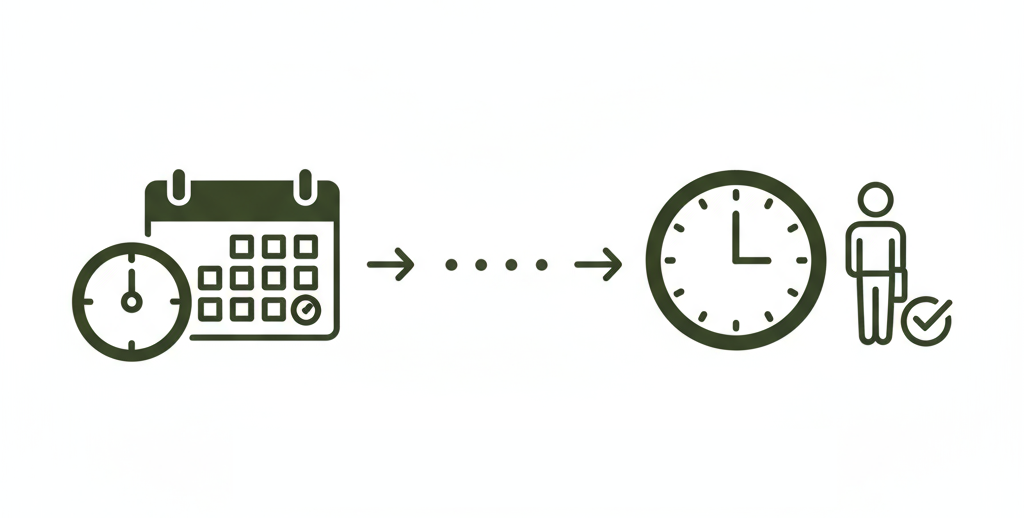 The practical impact: When your final interview happens on a Tuesday and
you don't extend an offer until the following Monday, you've already lost half
your pool. Top candidates have moved on. You're left choosing between
second-choice applicants or restarting the search entirely.
The practical impact: When your final interview happens on a Tuesday and
you don't extend an offer until the following Monday, you've already lost half
your pool. Top candidates have moved on. You're left choosing between
second-choice applicants or restarting the search entirely.
What to do: Aim to move from final interview to offer within five
to seven days. Assign clear ownership—one person should own moving the process
forward, not a committee. Automate scheduling across time zones where possible,
limit interviews to four or fewer rounds, and make decisions quickly. If your
organisation requires multiple approvals, get those approvals aligned before
you start interviewing.
2. Your Communication
Strategy Leaves Candidates in the Dark
Imagine applying for a role that excites you. You spend time preparing,
you have a great first interview, and then—silence. Days pass. You hear
nothing. You send a follow-up email. No response.
This scenario plays out millions of times across recruitment globally.
Poor communication is one of the fastest ways to lose candidates, yet it's
remarkably common. Many organisations communicate during the early stages, then
go quiet between interview rounds or after final conversations.
Candidates don't need constant updates. What they need is clarity about
what happens next, when to expect news, and honest acknowledgement if there are
delays.
When communication stops, candidates assume the worst. They assume they
didn't get the job. They assume the organisation isn't professional. Or they
simply move forward with other opportunities because uncertainty feels like
rejection.
The damage extends beyond individual candidates. Word spreads. A candidate who had a poor experience with your hiring team tells their network. They post anonymously on job review sites. They mention it in professional forums. Your employer brand takes a hit. Next month, fewer top-tier candidates apply to your open roles.
 The practical impact: Research shows 49% of job seekers reject offers or
withdraw from processes due to poor candidate experience, with communication
gaps being a primary culprit.
The practical impact: Research shows 49% of job seekers reject offers or
withdraw from processes due to poor candidate experience, with communication
gaps being a primary culprit.
What to do: Set clear expectations at every stage. Tell
candidates exactly when they'll hear back, who will contact them, and how. If
there's a delay, communicate that immediately—don't let them discover it
through silence. Send personalised messages, not generic templates. Even
rejection emails matter. Candidates who receive thoughtful, honest feedback
remember your organisation positively, and some may circle back years later.
Those who get ghosted remember that too.
3. Your Recruitment
Process Feels Unnecessarily Complex
Some organisations have built recruitment processes so elaborate that
they've become barriers to hiring, not safeguards for quality. Take-home
assessments that run for hours. Seven interview rounds when three would do.
Assessments that require unpaid work. Application forms that ask for
information you already have on the candidate's CV.
Each additional layer made sense when it was added. But together, they
create friction. Candidates start out motivated, but with each new requirement,
some drop out. The most qualified candidates, who have multiple offers, are
often the first to leave.
In competitive talent markets, complexity is a luxury you can't afford. Your streamlined competitors are winning because their processes respect candidate time and energy.
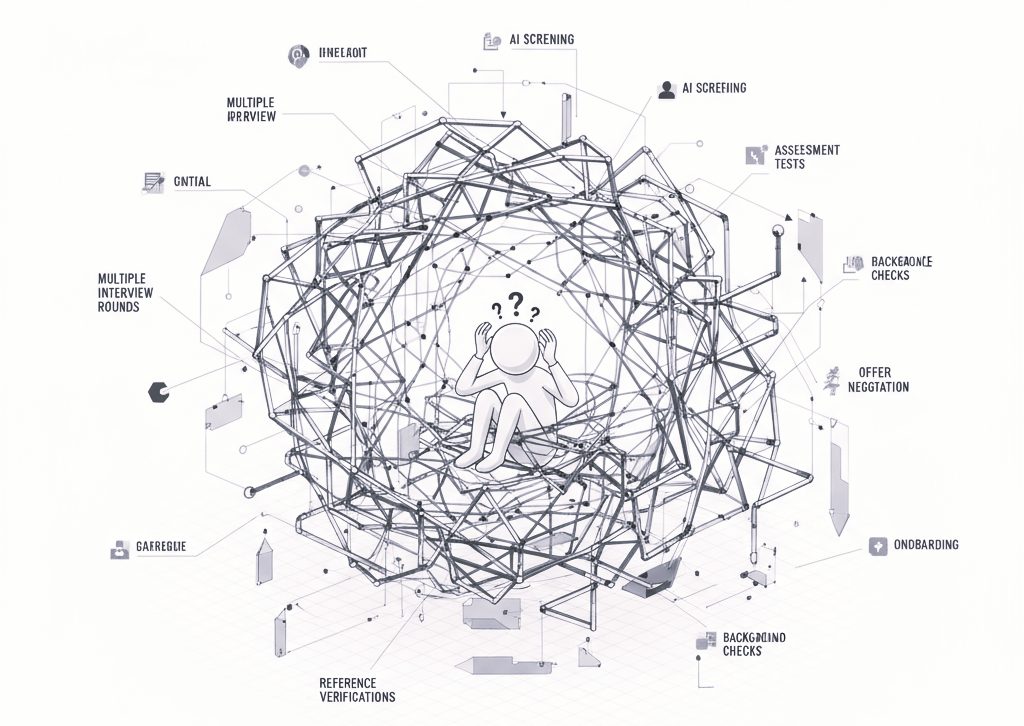 The practical impact: Candidates increasingly withdraw from lengthy hiring
processes, particularly at later stages after companies have invested
significantly in evaluation. The best talent abandons your process not because
they're unqualified, but because they're too qualified to tolerate unnecessary
hoops.
The practical impact: Candidates increasingly withdraw from lengthy hiring
processes, particularly at later stages after companies have invested
significantly in evaluation. The best talent abandons your process not because
they're unqualified, but because they're too qualified to tolerate unnecessary
hoops.
What to do: Audit your recruitment process end-to-end. For each
step, ask: "Does this step directly improve our ability to assess if this
candidate can do the job?" If the answer is no, remove it. If you're using
take-home assessments, make them brief and paid. Limit interviews to the
essential people who need to meet the candidate. Use structured interviews so
candidates know what to expect and can prepare meaningfully.
4. Your Job
Descriptions and Interview Questions Miss the Mark
Many candidates withdraw before they even apply because your job
description is vague, contradictory, or overwhelming. Others get through the
early stages only to discover during interviews that the role isn't what was
advertised.
Similarly, unprepared interviewers ask generic questions that don't
reveal much about the candidate's actual capability. Candidates leave these
interviews feeling like they didn't get a fair chance to showcase their real
skills and experience.
From the candidate's perspective, this feels disrespectful. They've
invested time. They've thought carefully about your organisation. They
prepared. And the experience suggests your organisation didn't extend them the
same courtesy.
This friction is particularly damaging with senior talent, who expect personalised attention and interviews that dig into their specific experience. A generic 30-minute chat about "your strengths and weaknesses" isn't sufficient for someone evaluating a significant career move.
 The practical impact: Unprepared recruitment processes signal that your
organisation doesn't pay attention to detail, doesn't value people, or is too
disorganised to be a great place to work.
The practical impact: Unprepared recruitment processes signal that your
organisation doesn't pay attention to detail, doesn't value people, or is too
disorganised to be a great place to work.
What to do: Write job descriptions that are clear and honest
about what the role actually entails, not an idealistic fantasy version.
Prepare your interview team by sharing candidate backgrounds beforehand. Brief
interviewers on what specific competencies or experiences you want them to
assess. Ask questions that explore the candidate's actual track record, not
hypothetical scenarios. Let candidates tell their story. At the end of
interviews, ask what they'd like to share that you haven't asked about. This small
step shows respect and often reveals the most valuable insights about a
candidate.
5. You're Not
Differentiating Your Organisation During the Process
Your competitors aren't just faster than you. They're also using the
recruitment process to sell candidates on working there.
Many organisations treat recruitment as a transaction: we interview you,
we decide, and we hire or reject. Candidates come away knowing slightly more
about the role, but not much more about what it's actually like to work at your
company.
In contrast, top-performing recruitment processes use every interaction
to reinforce employer brand. Candidates meet team members who are genuinely
enthusiastic. They learn about career development opportunities. They
understand the company's values through how they're treated. By the end of the
process, candidates who aren't offered positions still feel positively about
the organisation because they've experienced the culture firsthand.
This matters enormously for top talent. They're choosing between multiple offers. The organisation that sells most effectively during recruitment often wins.

The practical impact: Candidates make career decisions based on more than just salary and title. They evaluate whether they want to work for you as an organisation. If your recruitment process is purely transactional, you're competing only on compensation and role level. Your more human, culture-focused competitors are winning on a much wider range of factors.
What to do: Train your hiring team to sell your organisation, not
just evaluate candidates. Ensure candidates meet people they'd actually be
working with. Give them a realistic sense of culture and values through how you
interact with them. Share stories about employee development or interesting
projects. Explain why people stay at your organisation, not just why they
should join. Make the recruitment process a positive experience that candidates
will remember and recommend to others.
The Bottom Line: Your
Process Reflects Your Organisation
Here's what ties all five of these together: your recruitment process is
one of the first real experiences candidates have with your organisation. When
it's slow, it signals slow decision-making. When it's complex, it signals
bureaucracy. When it's transactional, it signals you don't value people.
Conversely, when your recruitment process is fast, clear, respectful,
and human, it sends a powerful message: this is an organisation that values
people, moves decisively, and respects everyone's time.
The question isn't whether you can afford to improve your recruitment
process. The real question is whether you can afford not to. Every day you lose
a top candidate is money left on the table—and it's usually not because you
made the wrong final decision about them. It's because they never made it to
that final decision.
If you're in Singapore or across Asia managing recruitment, these
friction points likely feel familiar. Talent shortages, competitive markets,
and time zone complexity make every hiring interaction count. The organisations
that win are the ones that treat recruitment as a core competitive advantage,
not an administrative burden.
Start with one change. Pick the bottleneck that's losing you the most
candidates. Fix it. Measure the impact. Then move to the next. Small
improvements in recruitment efficiency compound quickly into a significant
competitive edge in talent acquisition.


Post Your Ad Here
Comments