The Role of Restaurant Billing Software in Streamlining Operations
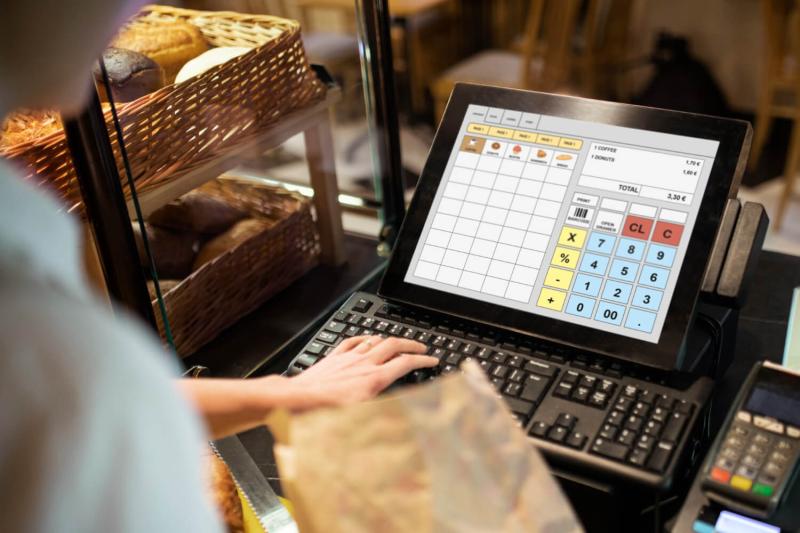
Key Takeaways
Restaurant billing software automates payments, improves accuracy, and speeds up service.
Integration across POS, accounting, and inventory systems creates a single digital workflow.
Managers gain data-driven insight for better pricing, staffing, and menu decisions.
Foodiv’s billing platform illustrates how technology can simplify every restaurant operation.
Automation enhances profitability while delivering smoother customer experiences.
Running a restaurant means juggling hundreds of moving parts. Orders come in, tables turn, staff rotate, and customers expect quick service. In the middle of this organized chaos, one area defines efficiency more than any other—billing.
Traditional billing involves handwritten orders, paper receipts, and manual tallies at closing time. It works in theory but wastes hours in practice. A small delay at checkout can back up tables and hurt customer satisfaction.
That’s where restaurant billing software steps in. This technology automates every billing step—from recording orders to generating tax-compliant invoices. It eliminates guesswork, speeds up payments, and provides owners with instant insights into revenue and performance.
Modern platforms like Foodiv take this a step further. They connect your billing, POS, accounting, and reporting into one seamless ecosystem. With every sale recorded automatically, your team can focus on food and service—not paperwork.
Takeaway: Efficient billing isn’t just about faster payments; it’s about freeing time and energy to deliver exceptional dining experiences.
Why Traditional Billing Falls Short?
Manual billing systems once defined restaurant operations. But as customer volume, menu complexity, and payment options expanded, their limits became obvious.
Hidden Inefficiencies
Manual billing relies on human precision. When orders pile up, mistakes multiply. Missed items, incorrect totals, or lost receipts slowly eat away at margins. Industry studies estimate that restaurants lose between 2 % and 5 % of revenue annually due to human billing errors.
Paper processes also slow down service. Waiters queue at a single terminal or flip through handwritten notes to prepare bills. During peak hours, customers wait longer, reducing table turnover and overall sales.
Poor Visibility
Traditional systems don’t record data in a structured way. Owners can’t easily see which menu items sell best or which shifts perform strongest. Financial reporting becomes a tedious manual exercise that invites further errors.
Limited Payment Options
Today’s diners expect flexibility—credit cards, mobile wallets, UPI, and contactless payments. Manual setups can’t handle multiple methods smoothly. The result is slower checkouts and dissatisfied guests.
Takeaway: Manual billing isn’t just outdated—it’s expensive. The hidden costs of inefficiency, inaccuracy, and lost opportunities can quietly shrink profits each month.
How Restaurant Billing Software Streamlines Operations?
Modern billing systems like Foodiv automate and centralize every transactional detail. The software links kitchen orders, payment gateways, and financial reports into one intelligent workflow.
Real-Time Order Management
Orders entered through a POS or tablet instantly appear in the kitchen. Cooks start preparation without waiting for paper tickets. When customers request changes, updates sync automatically—reducing waste and miscommunication.
Automated Billing and Tax Calculations
The system calculates totals, discounts, and taxes instantly. Each bill remains compliant with regional tax laws, eliminating end-of-month headaches for accountants.
Integrated Payments
Whether customers pay with cash, card, or digital wallets, every payment mode records directly in the system. There’s no need to reconcile multiple registers or apps later.
Analytics at Your Fingertips
Dashboards show daily sales, peak hours, average order value, and top-selling items. Instead of relying on intuition, managers make decisions backed by data.
Multi-Outlet Control
Cloud connectivity allows owners to monitor performance across several branches. A single login reveals how each location performs in real time, from anywhere.
Takeaway: Integration turns billing from a tedious back-office task into a live, data-driven system that improves both speed and strategy.
Key Benefits of Adopting Billing Software
1. Speed and Accuracy
Automated calculations eliminate arithmetic mistakes. Restaurants using digital billing report up to 60 % faster checkout times and significantly fewer refund requests.
Shorter queues mean higher table turnover and better customer satisfaction. The system ensures every order, modifier, and tax line item is accurate the first time.
2. Enhanced Customer Experience
Guests value speed and transparency. Digital receipts can be sent via SMS or email within seconds. Payment flexibility—cashless, contactless, or split bills—adds convenience.
A smoother billing experience translates directly to repeat business and positive reviews.
3. Automated Accounting and Compliance
Every transaction automatically updates the ledger. Foodiv integrates with accounting platforms to simplify tax filings and audits. No more manual data entry or missing invoices.
4. Centralized Reporting
With built-in analytics, owners access key metrics instantly: revenue trends, peak periods, staff performance, and item-wise sales. Decisions become evidence-based, not instinct-driven.
5. Inventory Synchronization
As orders close, stock levels update automatically. Managers receive alerts before ingredients run out, preventing kitchen delays and reducing food waste.
6. Cost Efficiency
Automation saves labor hours otherwise spent on reconciliation, reporting, and manual bookkeeping. The return on investment often appears within months of adoption.
7. Scalability
For growing restaurant chains, cloud billing scales easily. Add new outlets or delivery channels without changing core systems.
Takeaway: Restaurant billing software delivers measurable gains—faster service, cleaner books, and smarter business control.
How to Choose the Right Billing Software for Your Restaurant?
Selecting the right platform is the difference between short-term relief and long-term transformation. The best restaurant billing software adapts to your workflow instead of forcing new habits.
Ease of Use
Your team must learn it quickly. A clean, intuitive interface lets cashiers, waiters, and managers operate with confidence. Complex dashboards create frustration and slow adoption.
Integration Capabilities
Look for seamless connectivity with your existing systems. A good billing solution should communicate effortlessly with your POS, kitchen display, accounting tools, CRM, and online delivery partners.
Foodiv’s open-API architecture makes these integrations plug-and-play, removing technical friction.
Customization and Branding
Invoices and receipts are touchpoints of your brand. Choose software that allows logo placement, custom fields, tax rules, and personalized messages. These small touches enhance professionalism and customer trust.
Comprehensive Analytics
Data should tell a story. Visual dashboards reveal which dishes generate the most profit, which time slots attract repeat diners, and which locations outperform others. Insights like these empower better menu planning and promotional strategy.
Scalability
Even a single-outlet café can grow into a chain. Cloud systems should expand without downtime or complex re-installation. Foodiv lets you add outlets, currencies, and user roles from one admin screen.
Mobile Accessibility
Management should never stop when you step out of the restaurant. Cloud access through mobile apps means you can check sales, view reports, or approve refunds on the go.
Support and Reliability
Responsive customer support is non-negotiable. Choose vendors offering 24 / 7 live chat or phone support, plus comprehensive onboarding guides. Foodiv’s success team helps restaurants set up and optimize the system in under an hour.
Takeaway: Evaluate software not only on features but on how effortlessly it fits your restaurant’s rhythm. The right choice feels invisible—running smoothly in the background while your staff focuses on guests.
Case Example: Foodiv in Action
Background
“Urban Spoon Café” is a mid-sized restaurant with a loyal lunch crowd. Despite steady traffic, the owner struggled with manual billing. End-of-day reconciliations took two hours, and reporting errors caused accounting headaches. Staff morale dropped because closing duties dragged long after customers left.
Challenge
During peak hours, handwritten orders and calculator-based billing caused queues. Payments from multiple wallets and cards often mis-recorded. The owner realized manual billing was costing both time and credibility.
Solution Implementation
The café adopted Foodiv Restaurant Billing Software. Setup was cloud-based—no extra hardware. Staff received 30 minutes of online training and started using tablets to record orders instantly linked to the kitchen.
Foodiv’s system synced automatically with accounting software, calculated taxes in real time, and produced end-of-day summaries with one click. The dashboard showed live revenue, popular menu items, and staff performance.
Results within 30 Days
Average billing time per table dropped from 8 minutes to 2 minutes.
Sales increased by 18 % during peak hours due to faster table turnover.
Billing errors fell to nearly zero.
Inventory data updated automatically after every sale, preventing shortages.
The owner gained full visibility from her smartphone.
Operational Impact
The café’s reputation improved. Customers noticed quicker service, and staff finished shifts on time. What began as a billing upgrade evolved into a complete workflow transformation.
Takeaway: Foodiv’s automation didn’t just streamline billing—it re-energized staff, improved customer loyalty, and created measurable growth.
Closing Thoughts
Restaurants succeed when operations run as smoothly as service. Billing is the heartbeat of that system. Manual processes once served small operations, but today’s market demands speed, accuracy, and data insight.
Restaurant billing software such as Foodiv unifies front-of-house and back-office functions. Orders, payments, taxes, and analytics flow through one channel, reducing effort and error. Managers gain instant visibility into revenue and performance. Staff enjoy simpler routines and fewer late-night reconciliations.
In an age where every second and every sale counts, automation is no longer a luxury—it’s a competitive necessity.
Whether you operate a boutique café or a multi-branch chain, adopting digital billing means serving customers faster, smarter, and with confidence.
Takeaway: Modernize your billing now. It’s the single upgrade that multiplies efficiency, customer satisfaction, and profit all at once.
FAQ
1. Why should I move from manual to digital billing?
Manual billing slows service and introduces costly errors. Digital billing automates calculations, speeds up payments, and keeps every transaction organized and secure.
2. Can billing software handle multiple outlets?
Yes. Foodiv’s cloud-based system allows centralized monitoring of all locations. Owners can compare branch performance, sales, and staff productivity from a single dashboard.
3. How does it enhance customer experience?
Faster checkout, accurate invoices, and flexible payment methods create smoother dining experiences. Customers spend less time waiting and more time enjoying their meal.
4. Is digital billing expensive?
Not anymore. Cloud pricing is subscription-based. You pay monthly for only what you use, avoiding large upfront investments.
5. What if my team isn’t tech-savvy?
Choose software designed for simplicity. Foodiv’s interface mimics everyday POS layouts, making training quick and painless.
6. How secure is my data?
Foodiv encrypts all financial and customer information. Cloud backups ensure that even if devices fail, your records remain safe and recoverable.
7. Can I analyze sales trends easily?
Yes. Real-time dashboards visualize daily revenue, top dishes, and repeat-customer behavior. These insights help refine menu design and marketing efforts.
Post Your Ad Here
Comments