Should You Plead Guilty to a DUI in Canada? Here's What You Need to Know
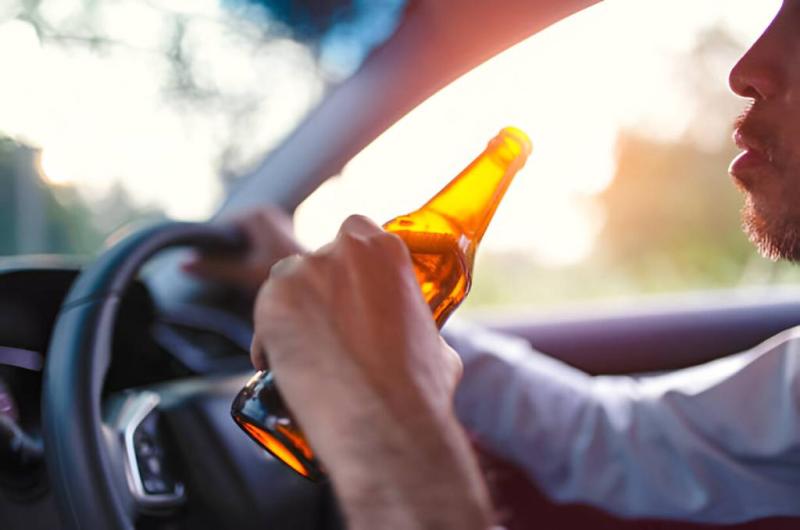
You just got pulled over.
The officer suspects you've been drinking.
Your hands are shaking as you grip the steering wheel.
In the next few minutes, you'll make choices that could change everything about your life.
Getting charged with impaired driving feels overwhelming. You might think pleading guilty will make it all go away faster.
But here's what most people don't know: the moment you plead guilty, doors slam shut.
Jobs you want become impossible to get. Countries you dream of visiting won't let you in. Insurance companies will drain your bank account for years.
What if you could avoid these consequences?
What if there was a way to fight back and possibly win? That's why talking to experienced Saskatoon DUI lawyers before making any decision is crucial.
Many people don't realize that nearly half of all DUI cases get reduced charges or dismissed entirely when lawyers find errors in how police handled the arrest.
Let's break down exactly what happens when you plead guilty to a DUI—and why you need to understand all your options before stepping into that courtroom.
You'll Get a Criminal Record That Stays With You
When you plead guilty to a DUI, you get a criminal record.
This isn't like a traffic ticket that disappears. It's permanent.
Your record shows up on background checks for jobs, housing, and travel.
Think about your dream job. Many employers won't hire someone with a criminal record.
Teachers, nurses, lawyers, and real estate agents could lose their licenses.
Even if you already have a job, your employer might fire you when they find out.
Want to travel?
The United States can refuse to let you cross the border. Countries like Australia and Japan might say no too.
This can last for years and ruin both vacation plans and business trips.
The Fines Are Just the Beginning
For your first DUI, you'll pay at least $1,000.
That's just the start. If your blood alcohol level was high, the fine goes up. It could be $1,500 or even $2,000. And judges can make you pay even more.
But money is just one problem.
You might go to jail. First-time offenders sometimes avoid jail, but not always.
If you get a second DUI, you must spend at least 30 days in jail. A third DUI means 120 days minimum behind bars.
Furthermore, your car insurance will go through the roof.
Companies will call you a "high-risk driver." Your insurance could jump from $100 per month to $400 or more.
That's $2,000 to $10,000 every year for at least three years. Some insurance companies might drop you completely.
You Can't Drive for at Least a Year
Pleading guilty means losing your license.
For a first offense, you can't drive for at least one year.
Second offense? Two years minimum. Third offense? Three years or more.
Meanwhile, in Ontario, the province hits you with extra penalties right away:
90-day license suspension (starts immediately)
Your car gets taken away for 7 days
$550 fine, you pay right away
Getting your license back isn't simple either. You'll need to:
Complete the Back on Track program ($634)
Install an ignition interlock device (breathalyzer in your car)
Pay a $281 reinstatement fee
Take your driving tests again
Why You Should Talk to a Lawyer First
Here's something important: 40 to 60 percent of DUI cases get better outcomes when lawyers find mistakes in the case.
Police sometimes make errors. They might not follow proper procedures. Your rights might have been violated.
A good lawyer checks everything.
Did the police have a good reason to stop you? Did the breathalyzer work properly? Were you told your rights correctly?
These details matter a lot.
Additionally, lawyers know how to negotiate.
They might get your charges dropped completely. Sometimes they can reduce the charge to careless driving instead. That means no criminal record.
The prosecutor might offer a deal that keeps you out of jail.
What Happens at Your First Court Date
Your first court appearance isn't a trial. It's a meeting where you:
Enter your plea (guilty or not guilty)
Get copies of the evidence against you
Set dates for future court appearances
Never plead guilty at this first appearance.
Instead, take time to review all the evidence and look for problems with the police case. Talk to a lawyer about your options before making any decisions.
The Judge Makes the Final Call
Some people believe that pleading guilty guarantees a lighter sentence. That's not true.
The judge has the final say. Even if the prosecutor suggests a certain penalty, the judge can ignore it.
Judges look at many things:
How high was your blood alcohol level?
Did you cause an accident?
Were kids in your car?
Have you had DUIs before?
Did you try to run away?
These factors can make your punishment much worse. That's why you need someone fighting for you.
Don't Refuse the Breathalyzer
Refusing to blow into a breathalyzer won't help you.
It's actually a separate crime with the same penalties as DUI.
You'll still get a criminal record. You'll still lose your license. But your fine will be higher, at least $2,000. Plus, it's harder to defend in court.
The Bottom Line
Pleading guilty to a DUI means accepting serious consequences that will follow you for years.
You'll have a permanent criminal record. Pay thousands of dollars and lose your driving freedom.
However, many DUI cases have defenses you might not know about.
Equipment fails. Rights get violated. Our mistakes just made my police
A skilled lawyer from a firm can spot these issues and fight for you.
Before you plead guilty, get legal advice. Consult with a DUI lawyer who is familiar with the system. Review all the evidence carefully and explore every available option.
Your future is too important to leave to chance.
One decision today shapes the rest of your life. Make it the right one.

Post Your Ad Here
Comments