BobaBit - Onigiri packaging and Bubble Tea supplies in Europe
For direct access to product ranges, ordering and distribution info, visit: https://bobabit.eu/en.
Why BobaBit matters for HoReCa and retail buyers in Europe
BobaBit occupies a specific operational niche: delivering both high-quality consumables for bubble tea (tapioca pearls, popping boba, syrups, milk tea bases) and engineered packaging for onigiri (films, separators, nori wrappers). For HoReCa operators and retail chains, this combination is strategic — it reduces vendor complexity and shortens lead times. Buying both ingredients and packaging from a single supplier simplifies logistics, compliance checks and product testing.
Onigiri packaging — technical fundamentals that protect taste and presentation
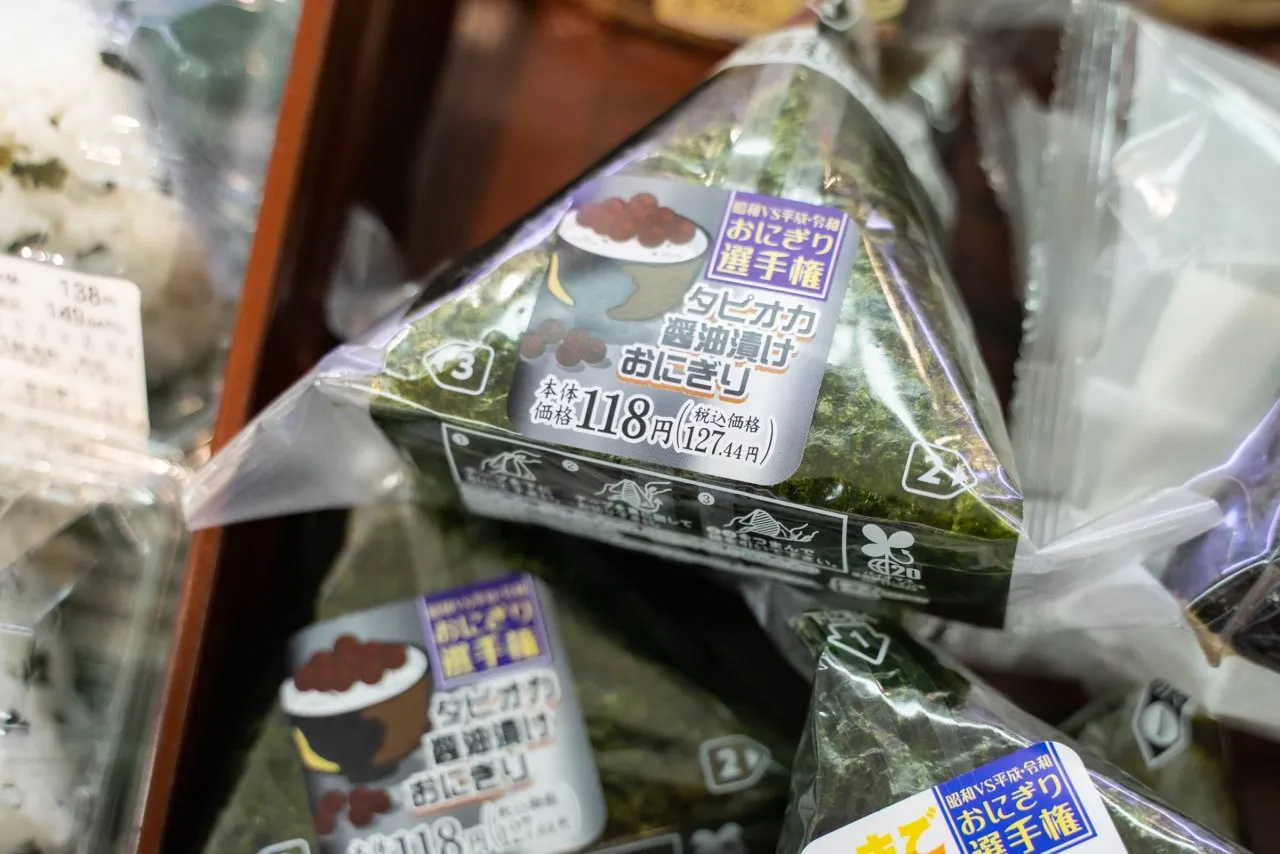
Onigiri are simple in concept but exacting in execution. The key challenge in retail-ready onigiri is preserving the contrast between crisp nori (seaweed) and moist rice. That is achieved by multi-layer packaging systems with a separation barrier: a peel-strip or inner layer that keeps nori dry until the consumer opens the package.
BobaBit supplies onigiri packaging with these practical features:
- Separation layer (prevents moisture migration)
- High-barrier films (oxygen and moisture control)
- Easy-peel design (consumer-friendly opening)
- Printable surfaces for branding, nutritional info and traceability
For manufacturers, these attributes mean fewer returns, longer shelf lives in chilled cabinets, and consistent product experience across outlets.
Bubble tea ingredients — consistency and scalability
Bubble tea’s success depends largely on repeatability: consistent chew of tapioca pearls, stable syrup flavor and predictable froth/cream behavior. BobaBit’s ingredient range is curated to support high-throughput outlets while keeping sensory authenticity.
Key categories available:
- Tapioca pearls — dried and pre-cooked, with batch-level cooking guidance
- Popping boba / juice balls — fruit-filled beads with consistent burst profiles
- Concentrated syrups — standardized Brix, clean labeling
- Milk and cream alternatives — shelf-stable bases for vegan/plant options
By sourcing from suppliers with documented quality control (COAs, microbiological checks), businesses reduce variability and food-safety risks — a crucial consideration for franchise rollouts and multi-site operations.
How to use the on-stock catalog to accelerate launch
Ready-to-ship items and immediate stock are in the on-stock catalog: https://bobabit.eu/en/collections/katalog-auf-lager.
If speed to market matters — for seasonal pop-ups, festivals or new store openings — the on-stock catalog is indispensable. BobaBit keeps a curated list of commonly demanded films, nori batches and bubble tea base kits in regional warehouses. This enables rapid replenishment and helps avoid the lead-time bottlenecks that arise from overseas sourcing.
Practical benefits of the on-stock approach:
- Immediate fulfillment for standard SKUs
- Lower inventory carry risk due to higher turnover
- Opportunity to test SKUs quickly before ordering customized variants
When to order made-to-order — use cases for customization
Custom packaging is necessary when brand differentiation, regional regulations, or unusual product formats demand a tailor-made approach. BobaBit’s made-to-order service is designed for:
- Private-label onigiri ranges with specific printed artwork
- Barrier films tuned to local cold-chain conditions
- Bulk syrup blends tailored to local taste profiles
The made-to-order workflow typically includes technical sampling, shelf-life trials and a small pilot run — steps that protect margin and avoid surprises at scale.
Selecting materials: barrier performance, recyclability, and regulations
Packaging decisions are technical and regulatory. Material selection must balance barrier requirements with environmental considerations. Key parameters procurement teams evaluate:
- Oxygen transmission rate (OTR)
- Water vapor transmission rate (WVTR)
- Migration and food-contact certifications
- Recyclability or compostability aligned with local municipal capabilities
BobaBit provides technical datasheets and test results for each film and packaging SKU — a necessary service for QA teams and auditors.
Operational setup: handling pearls, syrups and packaging on the line
For bespoke packaging and tailored ingredient kits, see the made-to-order section: https://bobabit.eu/en/collections/auf-bestellung.
Efficient production for onigiri and bubble tea requires SOPs. For pearls, consistent cook & soak protocols are essential; for syrups, accurate dilution and holding temperatures define taste and safety. For packaging, machine compatibility must be confirmed early.
Best-practice checklist:
- Validate cook times for tapioca across kitchen stations to ensure identical texture.
- Document syrup dilution ratios and use labelled dosing containers to eliminate operator guesswork.
- Test packaging film on a sample machine, then run a pilot of 500–2,000 pieces before full production.
- Implement FIFO inventory and batch tracking for traceability.
Quality control and supplier transparency
For any supplier relationship, transparency matters. BobaBit maintains traceability for ingredient batches and provides COAs for food items and migration tests for packaging films. For buyers, insist on:
- Certificates of Analysis (COA) for ingredients
- Migration and food-contact reports for films
- Sample retention for shelf-life verification
Sustainability in practice — pragmatic choices
Sustainability is not just marketing — it is operational. For onigiri packaging, mono-material solutions (PET/PE) may offer true recyclability in some regions, whereas multi-layer laminates often fail local recycling streams. BobaBit advises customers based on the destination market’s waste handling capabilities to avoid greenwashing.
For bubble tea, compostable straws and PLA cups are appealing, but compostability depends on local industrial composting availability. The best approach is holistic: reduce, reuse (where possible), and select materials that can actually be processed in the customer’s market.
Commercial terms: pricing, MOQ and logistics
From a commercial perspective, buyers must consider total landed cost rather than unit price alone. Factors include:
- Shipping and import duties
- Storage (ambient vs chilled)
- MOQ and volume discount tiers
- Return & replacement policies for damaged batches
BobaBit’s model offers both small-batch flexibility and volume pricing for chains; make sure to negotiate pilot pricing and clear terms for reorders once SKUs are proven in market.
Merchandising and consumer-facing elements
Packaging is also marketing. Clear windows, simple nutritional labeling, and scannable QR codes that link to preparation videos or provenance info increase conversion at point-of-sale. For bubble tea, consistent cup presentation and branded sleeves boost social sharing — a powerful free marketing channel.
Case study: scaling a bubble tea brand across 10 sites
A typical rollout scenario: a small bubble tea brand wants to scale from 1 to 10 outlets. Key steps where BobaBit helps:
- Supply standard pearls and base syrups from on-stock catalog to ensure consistency.
- Implement standardized SOPs for pearl cooking and drink assembly.
- Deploy branded cups and sleeves from a made-to-order run to strengthen brand identity.
- Use consolidated shipping to reduce per-site freight and improve margins.
Using this approach, the brand avoided inconsistencies, reduced training time and improved per-store margins within the first quarter.
How to start: practical procurement steps
If you are evaluating BobaBit as a supplier, start like this:
- Request sample kits (pearls, syrup, film samples).
- Run internal sensory and shelf-life tests.
- Order a small pilot batch from the on-stock catalog.
- If branding or special materials are needed, initiate a made-to-order inquiry.
Summary and final recommendation
BobaBit’s combined offering — onigiri packaging and bubble tea ingredients — is purpose-built for modern foodservice and retail. Their on-stock catalog accelerates time-to-market, while made-to-order services enable brand differentiation. For procurement teams in HoReCa and retail, the right approach is to balance speed (use on-stock SKUs) with strategic customization (made-to-order) where branding and shelf-life demands require it.

Post Your Ad Here
Comments