Why is the roof the most vulnerable part of a house?
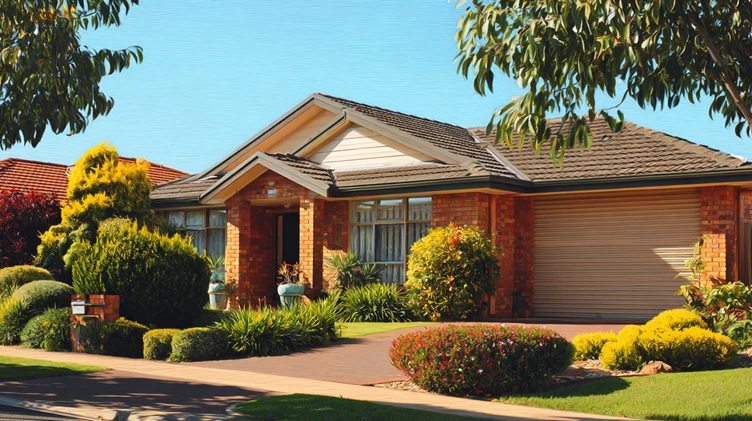
The roof is often described as the shield of a house, yet it is also its most vulnerable part. Unlike walls or foundations, the roof is directly exposed to the full force of the elements every single day. It faces intense sunlight, heavy rain, strong winds, and in some regions, snow and hail. This constant exposure makes it more susceptible to wear and damage than other parts of the structure. Even high-quality materials degrade over time when exposed to harsh environmental conditions. Small weaknesses, such as a loose shingle or a cracked tile, can quickly lead to leaks or structural issues if not addressed. The complexity of roofing systems, with multiple layers and components, also increases the risk of failure. Homeowners who understand this vulnerability can take proactive steps to protect their property. This article explores why the roof is the most exposed and fragile part of a house and how to safeguard it effectively.

Exposure to Weather Extremes
The primary reason roofs are vulnerable is their exposure to extreme weather. Sunlight, rain, wind, and snow all put immense stress on roofing materials. UV rays break down protective coatings, while moisture seeps into cracks and weakens structures. Wind can lift shingles or tiles, leaving gaps that invite leaks. Heavy snow adds weight that stresses beams, and hail can dent or shatter roofing materials. Climate plays a major role in how fast a roof deteriorates. In hot regions, expansion and contraction weaken joints, while in cold regions, ice dams cause water buildup.
Key weather-related vulnerabilities:
- UV rays causing material degradation.
- Heavy rainfall leading to leaks.
- Wind lifting or displacing roofing materials.
- Snow loads stressing the structure.
- Hail damage creating cracks and dents.
- Temperature swings weakening seals and joints.
Weather is the single biggest factor in roof deterioration, making regular inspections and maintenance essential. Proactive care can significantly reduce damage caused by environmental exposure. Learn more: https://www.tiktok.com/@kompaq_roofing_adelaide .

Structural Challenges of Roof Design
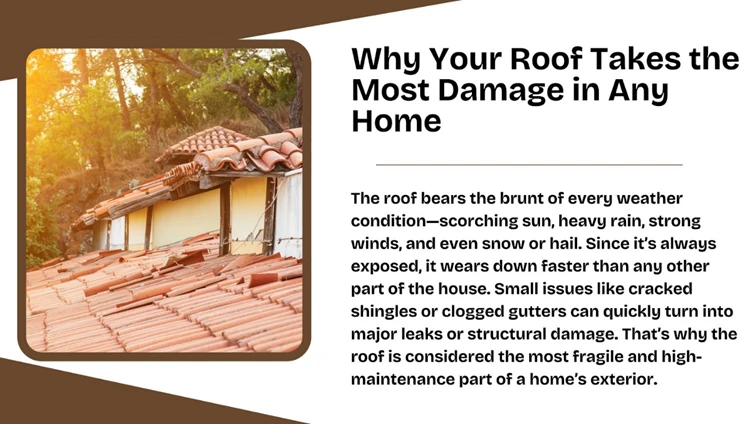
The very design of roofs contributes to their vulnerability. Unlike vertical walls, roofs have angles and slopes that must manage water flow effectively. If drainage is inadequate, water can pool and cause leaks or rot. Complex rooflines with valleys, dormers, or skylights create weak points that require extra attention. Roofs also support additional structures such as chimneys, vents, and solar panels, which introduce more potential leak sites. The balance between strength, weight, and design aesthetics often creates compromises. Even small misalignments during installation can shorten the roof’s lifespan.
Table: Common Roof Weak Points and Risks
|
Weak Point |
Typical Risk |
Long-Term Impact |
|
Roof Valleys |
Water pooling, debris buildup |
Leaks, rot, faster deterioration |
|
Flashing Areas |
Seal failure |
Water infiltration, mold growth |
|
Gutters & Downspouts |
Clogs, overflow |
Foundation damage, siding erosion |
|
Skylights & Vents |
Poor sealing |
Leaks, insulation damage |
|
Ridge & Hips |
Wind uplift |
Displaced tiles/shingles, roof failure |
|
Chimneys |
Cracks in flashing |
Water penetration, structural weakness |

Maintenance Neglect
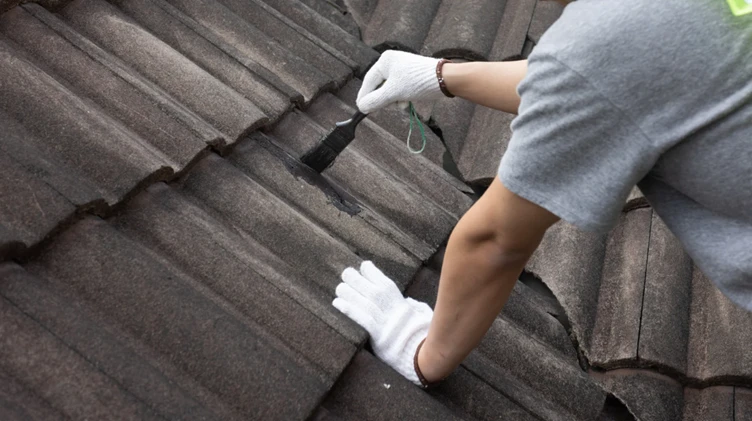
Another reason the roof is vulnerable is that it is often neglected by homeowners. Unlike windows or doors, roofs are harder to inspect, so small issues go unnoticed until they become serious. Gutters clog, flashing loosens, and tiles crack, all of which can develop into leaks. Many people assume a new roof won’t need attention for years, but even the best materials require regular upkeep. Preventive maintenance is far more cost-effective than emergency repairs. Neglecting routine inspections accelerates deterioration and reduces the roof’s overall lifespan. Discover related insights in this article: https://medium.com/@Darren_Cormack/your-local-roofing-partner-fa3b2e63c048 .

The Impact of Aging Materials
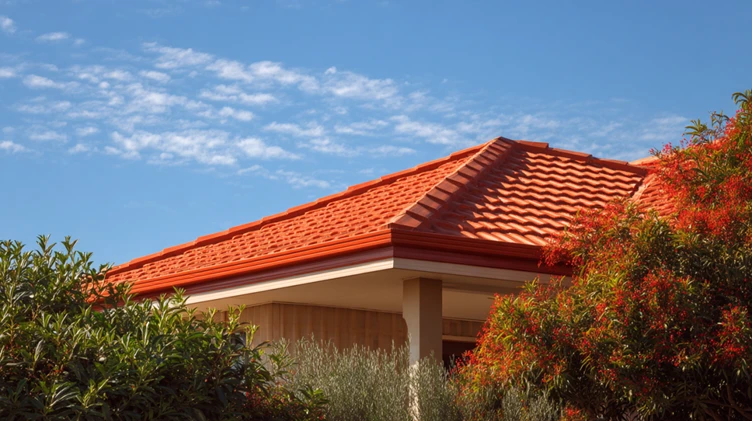
Roofing materials naturally degrade over time, regardless of climate or maintenance. Asphalt shingles lose granules, metal roofs may rust, and tiles can crack under stress. As roofs age, their ability to resist weather and impacts diminishes. Older roofs also struggle with modern energy efficiency demands, making homes hotter in summer and colder in winter. Warranties may expire, leaving homeowners fully responsible for repair costs. Recognising the signs of aging materials helps plan for timely replacement. Waiting too long increases risks of leaks, structural issues, and costly water damage.
Signs of material aging include:
- Curling or missing shingles.
- Visible rust on metal surfaces.
- Cracked or broken tiles.
- Frequent small leaks.
- Moss or algae growth.
- Reduced energy efficiency indoors.
By identifying these signs early, homeowners can prepare for repairs or replacement before failures occur. Proactive attention ensures safety and protects property value. Check here: https://designaddict.com/community/profile/darren_cormack/ .

The Role of Installation Quality
Even the best roofing materials cannot perform well if installed poorly. Improper installation is one of the leading causes of roof vulnerability. Incorrectly nailed shingles, poorly sealed flashing, or inadequate ventilation can all reduce the lifespan of the roof. Many leaks occur not because of defective materials but due to mistakes during installation. Contractors who cut corners or lack experience create weaknesses that show up years later. Homeowners should always verify contractor credentials, references, and warranties. Quality installation provides the foundation for durability, while poor workmanship guarantees early failure.

Additional Risks: Wildlife and Human Activity
Beyond weather and materials, other factors also contribute to roof vulnerability. Birds, rodents, and insects can damage roofing materials by nesting or chewing through components. Human activity, such as walking on the roof without proper care, can also cause damage. Installing additional features like satellite dishes or solar panels creates new risks if not handled correctly. Over time, these small damages accumulate and shorten roof life. Awareness of these risks helps homeowners take precautions to protect their roofs.
The roof is the most vulnerable part of a house because it faces constant exposure, structural challenges, and ongoing wear. Weather extremes like UV rays, rain, and wind create continuous stress. Design complexities and weak points such as valleys and flashing increase the risk of leaks. Neglected maintenance and aging materials further reduce durability. Poor installation quality often compounds these problems, creating vulnerabilities from day one. Additional risks, including wildlife and human activity, add to the challenge. Homeowners who recognise these factors can take proactive steps to protect their roofs. Regular inspections, professional installation, and timely maintenance are the best defenses. Ultimately, a well-cared-for roof ensures the safety, comfort, and value of the entire home.
Post Your Ad Here
Comments