Sensor-Based Monitoring: Early Warnings for Leaks
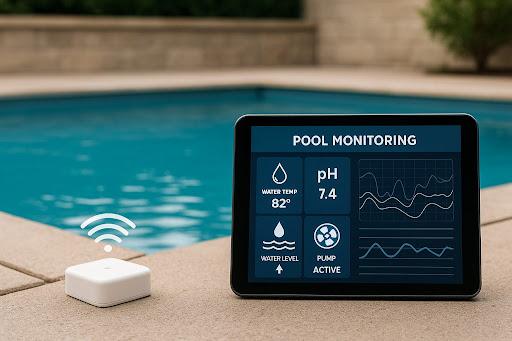
Sensor-based monitoring has transformed the way property owners detect and address system failures. Whether it's a pool, plumbing infrastructure, or industrial facility, catching leaks or performance anomalies early can prevent major damage, downtime, and cost.
For residential pool owners and commercial operators alike, adopting smart sensor technology isn't just convenient, it’s a proactive strategy. This article breaks down how sensor-based systems work, what issues they detect, and why timely intervention matters more than ever.
What Is Sensor-Based Monitoring?
Sensor-based monitoring refers to the use of connected, often wireless, devices that measure real-time data, such as water levels, pressure changes, temperature, and flow rates, and alert owners when abnormalities occur.
In pool systems, for example, sensors can:
- Detect water loss consistent with leaks
- Monitor pump performance
- Track chemical balances
- Alert for low pressure or malfunctioning heaters
- Detect equipment failure or electric faults
- These systems pair with mobile apps or central dashboards, enabling homeowners and technicians to act before problems escalate.
Why Early Detection Matters
Most pool-related issues are progressive. A slow leak today becomes structural damage tomorrow. A failing pump one week leads to algae blooms and expensive rebalancing the next.
Benefits of early detection include:
- Lower repair costs
- Preventive intervention instead of reactive crisis
- Reduced water and chemical waste
- Longer lifespan of pool equipment
Improved safety (especially when electrical systems are involved)
In high-use regions like Houston, smart pool maintenance in Houston TX increasingly includes sensor integrations to minimize emergency visits and protect customer investments.
Common Issues Sensors Help Identify
1. Water Leaks
Smart water-level sensors compare real-time readings to usage history. If abnormal drops occur outside of evaporation norms, the system flags a potential leak. Some advanced models even calculate approximate leak volume and suggest source zones.
2. Pump Malfunction
Flow and pressure sensors detect whether water is moving through the system as expected. If not, owners are alerted to possible blockages, cavitation, or motor failure. often before the unit burns out.
3. Chemical Imbalances
Some systems integrate with automated chemical dispensers. They alert users when pH, chlorine, or total alkalinity drift outside of the safe range. This keeps the water safe for swimmers and avoids overcorrection costs.
4. Power Interruptions
Certain monitors track equipment voltage and current. If a breaker trips or an electrical fault arises, the system sends an alert immediately, preventing damage to sensitive electronics or heating components.
5. Temperature Fluctuations
Temperature sensors help pool owners track heater performance and ensure consistent comfort. They also prevent overuse by automatically adjusting set points based on weather or time of day.
Choosing the Right System
Not all sensor-based systems are created equal. Here’s what to look for:
Integration: Ensure the system works with your pool’s existing equipment or can be added without costly overhauls.
Connectivity: Choose Wi-Fi or cellular systems for remote access. Avoid hardwired-only systems unless local access is acceptable.
Mobile Access: A well-designed app should provide alerts, data visualizations, and historical logs.
Customization: The best platforms let you set custom thresholds based on climate, pool size, and usage.
Professional Support: Work with local providers who understand your specific needs. For example, teams offering pool maintenance in Houston TX can install, calibrate, and service these systems with regional expertise.
Cost vs. Value
While the upfront cost of sensor-based monitoring varies, typically $300 to $1,200 depending on scope, it pays off quickly by preventing a single leak from becoming a $5,000 structural repair. In commercial or multi-unit settings, ROI is even faster.
Add-ons like automated chemical controllers or remote shutdown switches increase cost but also enhance autonomy and risk prevention.
FAQs
Do sensors work in older pools?
Yes, most systems are retrofittable. Surface-mounted or floating sensors don't require system replacement, and others can be integrated with minimal plumbing modifications.
What’s the maintenance requirement for the sensors themselves?
Most need occasional recalibration (quarterly or annually) and battery replacement every 12–24 months. Some higher-end models are solar-powered.
Will it send alerts when I’m away from home?
Yes, if connected via Wi-Fi or cellular. You’ll receive push notifications or emails based on your preferences.
Can these systems automate fixes too?
Many integrate with smart pumps or dispensers to auto-correct imbalances. For mechanical failures or leaks, they notify users so action can be taken.
Are sensor systems vulnerable to weather?
Good systems are designed to be weatherproof and operate reliably in high heat, humidity, and heavy rain, especially important in Gulf Coast regions.
Final Word
Sensor-based monitoring isn’t a luxury, it’s a logical upgrade for any property owner who wants to protect their investment and avoid costly surprises. Early warnings about leaks, equipment failures, and chemical issues turn reactive pool ownership into proactive care.
If you’re in a climate with heavy seasonal demand, like Texas, working with experienced providers in pool maintenance in Houston TX
ensures your sensor system is optimized, reliable, and integrated with service plans that keep your pool running efficiently year-round.
Post Your Ad Here
Comments