Safest Ayurvedic Approach to Manage Sarcoidosis Naturally
Abstract
The immune system is the body’s
vigilant guardian, constantly patrolling for threats like bacteria, viruses,
and abnormal cells. The hyperactive but poorly regulated immune cascade leads
to granuloma formation in various organs, disrupting normal tissue function and causing symptoms. Understanding the role of immune cells not only provides
insight into the disease but also helps in exploring targeted immunosuppressive
therapies. The condition arises due to an abnormal immune response, where the
body reacts to unknown antigens often environmental or infectious by activating
T-lymphocytes and macrophages excessively This unpredictable nature makes it a
true multisystem inflammatory condition. Understanding the role of immune cells
not only provides insight into the disease but also helps in exploring targeted
immunosuppressive therapies.This unpredictable nature makes it a true
multisystem inflammatory condition.Ayurveda offers a holistic, root-causeapproach to managing sarcoidosis by balancing the body's doshas and boosting
natural immunity.
INTRODUCTION
Sarcoidosis is a medical mystery
wrapped in inflammation. It can be as quiet as a whisper, showing no symptoms,
or as loud as a storm, with breathlessness, fatigue, and skin rashes.Globally,
its prevalence varies significantly ranging from 10 to 40 per 100,000 people,
with higher rates in African American and Northern European populations. No one
knows exactly what triggers it—some suspect a mix of genetic whispers and
environmental nudges. What makes it intriguing is its unpredictable nature: it
may flare up and then vanish on its own, or it may linger, demanding lifelong
care. Though rare, sarcoidosis reminds us of the complexity of the immune
system—how its strength can sometimes turn into sensitivity. Understanding
sarcoidosis is like solving a puzzle where science meets the subtle poetry of
the human body..Unlike symptomatic treatments, it purifies the system, reduces
inflammation, and restores organ health gently and effectively.For chronic
conditions like sarcoidosis, Ayurveda is not just treatment—it's
transformation.
Types
Here are the main types of
sarcoidosis based on organ involvement:
●
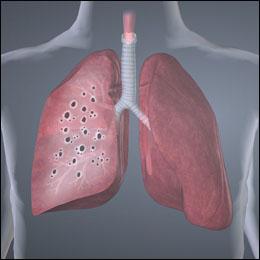
Pulmonary Sarcoidosis – Affects the
lungs; most common type.
●
Lymph Node Sarcoidosis – Enlarged
lymph nodes, especially in chest and neck.
●
Cutaneous (Skin) Sarcoidosis –
Causes rashes, nodules, or lesions on skin.
●
Ocular (Eye) Sarcoidosis – Affects
eyes, causing redness, pain, or vision problems.
●
Cardiac Sarcoidosis – Involves the
heart, leading to arrhythmias or heart failure.
●
Neurosarcoidosis – Impacts the
nervous system, including brain and nerves.
●
Hepatic and Splenic Sarcoidosis –
Involves liver and spleen, sometimes causing organ enlargement.
● Musculoskeletal Sarcoidosis – Affects muscles and joints, leading to pain or swelling.
CAUSES
While the exact cause of sarcoidosis
is unknown, the following factors are believed to contribute:
●
Genetic predisposition – Family
history may increase the risk.
●
Abnormal immune response –
Overactive immune system reacts to unknown substances.
●
Infectious agents – Possible links
to bacteria .
●
Environmental exposures – Inhalation
of dust, mold, chemicals, or pollutants may trigger the condition.
●
Occupational risk – Firefighters,
healthcare workers, and agricultural workers may have higher exposure.
●
Autoimmune connection – The immune
system may mistakenly attack the body’s own tissues.
● Gender and age – Often affects adults between 20–40 years, with slight female predominance.
SYMPTOMS
Lungs (Most Common)
●
Persistent dry cough
●
Shortness of breath
●
Chest pain or tightness
●
Wheezing in some cases
Lymph Nodes
●
Swelling, especially in neck,
armpits, or groin
●
Painless enlargement
Skin
●
Red or purple nodules (erythema
nodosum)
●
Lupus pernio (chronic skin lesions
on face)
●
Rashes or discoloration
Eyes
●
Blurred vision
●
Eye pain or redness
●
Light sensitivity
Liver & Spleen
●
Enlarged liver or spleen
●
Mild abdominal discomfort
●
Fatigue
Heart
●
Irregular heartbeat (arrhythmia)
●
Chest pain
●
Shortness of breath
●
Rarely, heart failure
Joints & Muscles
●
Pain, swelling, or stiffness
●
Muscle aches
Nervous System
●
Headaches
●
Weakness or numbness
●
Seizures (rare)
Kidneys
● Impaired kidney function
DIAGNOSIS
- Medical history & physical examination
- Chest X-ray
- Pulmonary function tests
- Blood tests
- Biopsy of affected tissue
- Eye examination
- Skin tests
- MRI or PET scan
TREATMENT
1. Observation – In mild or
asymptomatic cases, no immediate treatment may be required as the disease can
resolve on its own.
2. Corticosteroids
3. Immunosuppressive agents
4. TNF-alpha inhibitors.
5. Specific treatments – For
example, inhalers for lung symptoms, eye drops for uveitis.
6.
Physical therapy – To manage fatigue, joint pain, and improve mobility.
7. Regular monitoring – Ongoing
evaluation of lung function, eye health, heart rhythm, and other affected
organs.
8. Lifestyle changes – Healthy diet,
quitting smoking, and avoiding environmental triggers.
Psychological support – Counseling or support groups to help cope with chronic illness.
AYURVEDIC OVERVIEW OF SARCODOSIS
In Ayurveda, Sarcoidosis can be
viewed as a Dhatugata Vikara (deep-seated tissue disorder) involving
Sannipataja Tridosha Dushti, where all three doshas—Vata, Pitta, and Kapha—are
disturbed, leading to the abnormal formation of Granthis (nodules or
granulomas) in vital organs. This imbalances the Rasa (lymph), Rakta (blood), and Mamsa (muscle) dhatu’s which
disrupts Ojas (vital immunity), leading to autoimmune-like behavior.
From an Ayurvedic lens, sarcoidosis
is a disorder of Ama (toxins), Agni Mandya (digestive fire impairment), and
improper Dhatu Nirmana (tissue formation), ultimately disturbing both Sharirika
(physical) and Manasika (mental) well-being. So let's have a clearer
understanding of it:
Causes (Hetu):
●
Imbalance of Vata and Kapha doshas,
leading to impaired tissue function.
●
Accumulation of Ama (toxins) due to
weak Agni (digestive/metabolic fire).
●
Dietary indiscretions like heavy,
oily, and incompatible foods.
●
Chronic stress, sedentary lifestyle,
and exposure to environmental toxins.
● Rakta
dhatu vitiation causes inflammation in multiple organs.
Symptoms (Lakshana):
●
Fatigue and weakness due to Dhatu
dushti and reduced Ojas.
●
Swelling and nodules in skin and
subcutaneous tissues.
●
Respiratory discomfort: Shortness of
breath, dry cough, and chest heaviness.
● Joint pain and stiffness, reflecting Vata aggravation.
Post Your Ad Here
Comments