How Green Architecture Is Redefining Urban Living in the United States
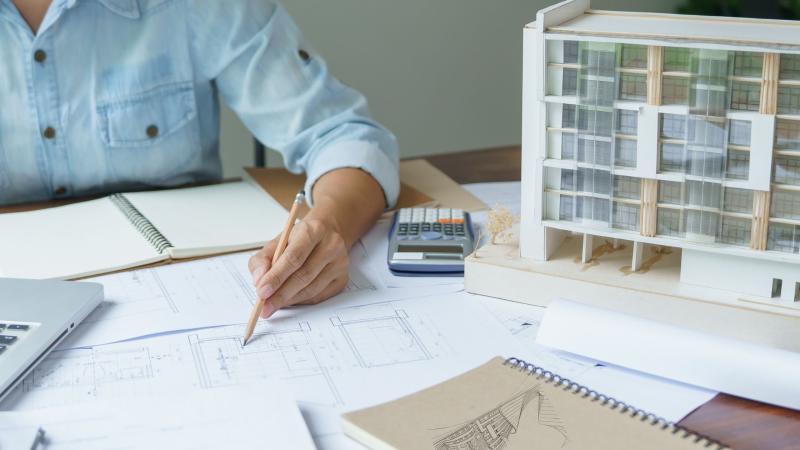
Across the United States, the architectural landscape is undergoing a quiet but powerful revolution. Modern cities are no longer defined solely by glass towers and concrete blocks but by structures that breathe, adapt, and coexist with nature. Green architecture, a design philosophy that prioritizes sustainability and energy efficiency, is shaping how people live and how communities evolve.
This transformation is not only environmental; it reflects cultural and technological progress toward a more balanced urban lifestyle.
What Defines Green Architecture?
Green architecture is built around principles of sustainability, resource conservation, and minimal environmental impact. Buildings designed under this philosophy incorporate renewable materials, efficient energy systems, and layouts that promote natural light and ventilation.
Core Features of Green Design
-
Energy Efficiency: Use of solar panels, smart lighting, and energy-saving appliances.
-
Sustainable Materials: Recycled steel, reclaimed wood, and eco-friendly insulation.
-
Water Conservation: Rainwater harvesting and low-flow plumbing systems.
-
Indoor Air Quality: Non-toxic finishes and air filtration systems.
-
Smart Integration: Automation for climate control and energy monitoring.
These features make buildings more sustainable while lowering long-term operational costs.
Why Is Green Architecture Expanding in the USA?
Environmental awareness and policy incentives are driving rapid adoption of green building practices across the country. Many American cities are implementing eco-friendly construction standards to combat climate change and support urban sustainability.
Key Drivers of Growth
-
Federal and state-level sustainability regulations
-
Tax incentives for energy-efficient construction
-
Consumer demand for environmentally responsible living spaces
-
Technological innovations in materials and energy systems
These factors collectively encourage architects and developers to think beyond aesthetics and prioritize ecological responsibility.
The Role of Smart Technology in Sustainable Buildings
Technology plays a central role in modern green architecture. Smart sensors, building management systems, and real-time data analytics are used to monitor energy use and optimize efficiency.
Smart Features Commonly Found in Green Buildings
-
Automated climate control systems adjusting to external weather
-
Smart windows regulating heat and light intake
-
IoT-enabled water management systems detecting leaks
-
Predictive maintenance reducing resource waste
These systems contribute to the creation of intelligent environments that respond dynamically to the needs of occupants.
How Do Sustainable Buildings Benefit Communities?
The benefits of green architecture extend beyond energy savings. Sustainable buildings contribute to healthier living conditions and stronger communities.
Community-Level Advantages
-
Reduced pollution and urban heat
-
Better air quality promoting public health
-
Increased green spaces supporting social interaction
-
Long-term financial savings through reduced energy bills
Communities built with sustainability in mind tend to have higher livability scores, attracting residents who value balance between urban comfort and environmental care.
Economic Impact of Green Construction
While sustainable construction can require higher upfront investment, long-term savings in energy and maintenance often offset the initial cost. The U.S. green building industry has become a major contributor to job creation, innovation, and local economic development.
Economic Benefits
-
Growth in renewable energy and materials industries
-
Employment opportunities for specialized green contractors
-
Increased property value for sustainable developments
-
Reduced operational costs for businesses and homeowners
As demand grows, the cost of green construction materials continues to decrease, making sustainable architecture more accessible.
Challenges Faced by the Green Building Sector
Despite its promise, green architecture faces several challenges related to cost, awareness, and infrastructure readiness.
Common Challenges
-
High initial costs for advanced technologies
-
Limited access to sustainable materials in some regions
-
Shortage of skilled professionals with green design expertise
-
Resistance to regulatory changes among traditional developers
Overcoming these obstacles requires collaboration between government bodies, architects, and private investors.
How Are US Cities Leading the Way?
Major cities like New York, Seattle, and San Francisco have emerged as pioneers in sustainable architecture. Each has introduced unique urban policies that promote renewable energy use, waste reduction, and eco-conscious construction practices.
Leading Green Initiatives
-
New York City: Incentives for energy-efficient retrofits in historic buildings
-
Seattle: Urban forestry programs integrated into new construction
-
San Francisco: Mandates for rooftop solar panels in residential projects
-
Chicago: Green roof initiatives that reduce heat islands
These urban policies serve as models for other regions seeking sustainable development.
Future Trends in Green Architecture
The future of green architecture will integrate emerging technologies and innovative materials to create fully sustainable environments.
Predicted Trends
-
3D-Printed Buildings: Use of recycled and biodegradable materials for modular construction.
-
Net-Zero Design: Buildings generating as much energy as they consume.
-
Vertical Forests: Integration of plant life within high-rise structures.
-
Circular Construction Models: Reuse of building components to minimize waste.
These advancements will redefine how urban spaces evolve in the coming decades.
Unexpected Connections Between Sustainability and Digital Innovation
While sustainability focuses on environmental outcomes, digital innovation ensures precision and efficiency in achieving those goals. Smart systems, artificial intelligence, and data modeling tools are now commonly applied in green design.
Some architecture firms collaborate with technology consultants to develop intelligent monitoring systems that track energy and environmental performance. In a few advanced projects, partnerships with companies offering AI transformation services enable buildings to adapt automatically to energy demands, creating a seamless link between architecture and analytics.
Conclusion
Green architecture represents the next step toward sustainable urban living. By combining eco-conscious design with technological intelligence, the United States continues to lead the global movement toward environmentally responsible construction. As innovation accelerates, the boundaries between architecture, technology, and sustainability will continue to blur—creating cities that are both livable and regenerative for generations to come.
Post Your Ad Here
Comments (1)
Chris І6
Allied Driving Instructors
The benefits of green architecture extend beyond energy savings. Sustainable buildings contribute to healthier living conditions and stronger communities.