Transforming Public Safety and Healthcare: Enhancing Emergency Response with Artificial Intelligence Solutions
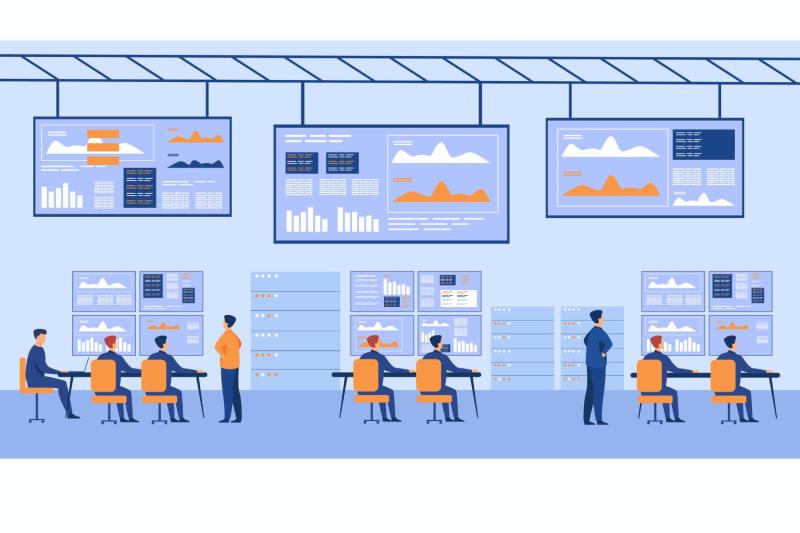
Emergencies demand rapid, coordinated action, whether it is in public safety, healthcare, or disaster management. Traditional response systems, while effective to an extent, often face delays due to communication gaps, manual processes, and resource mismanagement. Today, artificial intelligence is playing a vital role in bridging these gaps, creating faster, more accurate, and citizen-friendly response models.
By leveraging advanced artificial intelligence development services, governments and organizations can implement systems that predict, analyze, and respond to crises with greater efficiency. From predictive analytics to AI-driven chatbots, these technologies are setting new standards for emergency preparedness.
How AI is Improving Emergency Response
AI is being integrated into emergency systems through a variety of applications:
-
Predictive Analytics for Early Warning
AI algorithms analyze weather patterns, healthcare data, and traffic flows to anticipate emergencies before they escalate. -
AI Chatbots for Citizen Support
With the help of an AI chatbot development company, cities are deploying virtual assistants that allow citizens to report incidents instantly or receive quick guidance during crises. -
Resource Optimization
Artificial intelligence development solutions make it possible to allocate ambulances, medical supplies, or rescue teams more effectively by analyzing real-time data. -
Generative AI for Simulation and Training
Through generative AI development services, agencies can simulate different emergency scenarios, helping responders train for complex situations.
Case Example: Healthcare Emergency Management
In healthcare, AI-driven systems are proving essential in managing emergency room crowding and medical supply shortages. For instance, hospitals using predictive models can anticipate surges in patients and prepare accordingly. Chatbots developed by an AI chatbot development services provider can triage patient needs, provide symptom checks, and guide individuals toward the right medical department before they arrive at a hospital.
This combination of AI consulting and generative AI development company expertise helps medical institutions maintain efficiency during high-pressure events.
Lessons from Manufacturing for Public Safety
Interestingly, the benefits of AI in manufacturing provide valuable insights for emergency response. Manufacturers use predictive analytics to prevent downtime by anticipating equipment failures. Similarly, emergency response systems can apply these lessons to anticipate infrastructure breakdowns or resource shortages.
Real-world examples of AI in manufacturing show how automation and predictive maintenance reduce costs and improve efficiency. By adapting these strategies, public safety agencies can create more resilient emergency management frameworks.
Overcoming Challenges in AI-Driven Emergency Response
While the opportunities are vast, organizations must also address challenges such as data privacy, ethical use, and transparency. Working with trusted artificial intelligence consulting companies ensures that solutions are designed with governance, compliance, and long-term sustainability in mind.
Conclusion
Artificial intelligence is no longer just a technological trend; it is a transformative force reshaping how societies respond to emergencies. From real-time citizen communication to predictive resource planning, the integration of AI is making public safety and healthcare systems smarter and more responsive.
By collaborating with an artificial intelligence services company, governments and organizations can create robust emergency frameworks that save lives and build public trust. The future of emergency response lies in adaptive, intelligent, and human-centered AI solutions.
Image by pch.vector on FreepikPost Your Ad Here
Comments