How are Hydraulic Pumps useful in Industrial Applications?
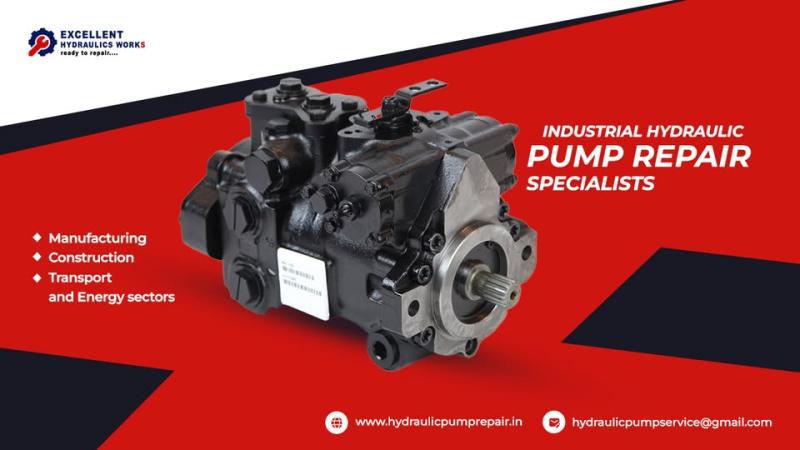
Hydraulic systems serve as the backbone for different industries, from construction to manufacturing sites. The hydraulic pump drives hydraulic systems by moving the hydraulic fluid throughout the system.
But how do hydraulic pumps work in various industries? This is the key thing everyone should know. Let us take a deep dive to know about the function, application of various types.
Quick Look: Types of Hydraulic Pumps
Before discussing how most pumps work, let's see a sampling of the more commonly used pump types.
Gear Pumps: Simple, inexpensive, and reliable, hydraulic gear pumps are typically employed in low-pressure systems, such as tractors and simple equipment.
Vane Pumps: These are quieter and smoother than gear pumps. Vanes are used in more industrial machines where performance and a quiet pump are important.
Piston Pumps: Manufactured for high pressure and high performance. Applications are usually in heavy-duty machines such as hydraulic lifts and excavators.
Screw Pumps: Typically, the best option when you want a continuous flow that does not pulsate and is often used in marine or offshore applications.
Every pump has its advantages - the important part is making sure it corresponds to what you are trying to accomplish.
For more in-depth information, check this article- Different types of hydraulic pump
How Do Hydraulic Pumps Operate?
1. At its essence, a hydraulic pump simply shifts fluid — it does not generate pressure. Pressure is simply a function of flow and resistance to flow in any part of the hydraulic system. So we have:
Pump = Displaces fluid
Load (cylinders, for example) = Resists fluid motion
Pressure = Flow + Resistance
Now let’s look at it in action.
2. The Working Process (Step by Step) - The overwhelming majority of hydraulic pumps will follow the same process, regardless of the type of pump:
a. Suction Phase - As the pump begins to rotate, it is powered by an electric motor or engine. The rotation creates the negative pressure at the inlet side and pulls hydraulic fluid from the reservoir into the pump.
b. Trapping the Fluid- The pump has gears, vanes or pistons that trap the fluid in small compartments, which forces the compartments to carry the fluid out towards the outlet.
c. Discharge Phase - Fluid flows to the outlet side, resulting in discharge of the fluid from the system. When this fluid encounters a resistance effect (as in a hydraulic cylinder), it can generate pressure, and it is this pressure that does work. The cycle is continuous and occurs very rapidly with consistent pressurised fluid flow.
Where Are Hydraulic Pumps Used for Industrial Applications?
Hydraulic pumps are everywhere- you may not know them, but without them no work is possible -
Here is how you can find them in various industries:
1. Construction Equipment
Hydraulic pumps in Construction industry are used widely, such as excavators, bulldozers, and cranes. Many of these machines use piston-type pumps because they provide both high pressure and great control, which is important to accomplish heavier duties like lifting or digging.
2. Manufacturing Plants
In factories, pumps are the silent workers behind hydraulic presses, injection moulding machines, and CNC tools.
Vane or piston pumps are preferred here since they offer quiet operation and accurate force control, both of which are crucial in production environments.
3. Agriculture
From tractors and sprayers to harvesters, farms depend on gear pumps.
They’re cost-effective, easy to maintain, and perfect for moderate-pressure jobs, making them ideal for daily agricultural use.
4. Aerospace
In the aerospace or aviation industry, axial piston pumps are utilised in power systems on landing gear, wing flaps, and control surfaces. They are made with a high degree of reliability and are lightweight to perform effectively at high-altitude pressure.
5. Marine & Offshore Applications
Winches, stabilisers, and deck cranes are powered using screw and piston pumps on ships and offshore oil rigs. These pumps are engineered to deliver smooth, continuous flow and are rated for tough and salty marine environments with no degradation of performance.
How to Choose the Right Hydraulic Pump?
The right pump is not only about price or brand name, it's about what the pump can do to meet your system requirements and work efficiently. Always consider the following before purchasing a pump:
System pressure: What is the resistance rating the pump will withstand?
Flow rate: How much fluid will you need per minute?
Application type: Is it a mobile system (like a vehicle) or a fixed industrial setup?
Noise level: Some pumps are noisier than others, think about the setting in which you will be using them.
Maintenance access: Can a technician easily access the pump to perform service and change parts?
When a pump is correctly sized for the system, it can improve the system’s efficiency, decrease energy costs, and alleviate system failures. There are various hydraulic pump brands available in the market that top the list, such as Kawasaki, Rexroth, Danfoss, Eation Vikers and Nachi. Built by various manufacturers across the World, you should choose one that fits your machinery.
Planning to Buy or Upgrade a Hydraulic Pump?
Do not rely solely on technical specifications. When selecting a pump, it is critical to consider the application, working environment and reliability of the pump to avoid future conflicts. Making the right decision today may lead to a pump that operates better, has less downtime, and lower maintenance costs in the future. Searching for an expert hydraulic service in Delhi to get a proper diagnosis, information about various brands? Connect with us for all kinds of hydraulic pump repair service in Delhi NCR.
Conclusion
Understanding how hydraulic pumps work and where they are used helps you ensure smarter choices, whether you are designing a new system or upgrading an existing one.
We do not sell pumps. We just bring them back from the dead.
If your pump is leaking, rattling, overheating, or simply refusing to work, don’t wait until it’s a total failure. Searching for experts for your Hydraulic pump repair?
Call us today or fill out our enquiry form for a quick inspection.

Post Your Ad Here
Comments