How Much Does It Cost to Replace a Hydraulic Pump Part?
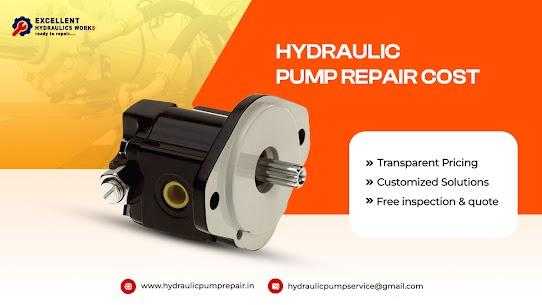
If you have been working with hydraulic systems, you understand how important the hydraulic pump is, basically the engine that makes everything move. But, when your pump could be partially operating or even fail, what happens? One of the first questions you probably ask yourself is: Bhai, kitna kharcha aayega pump replace karne mein? Honestly, it’s not a one-line answer; the cost depends on a bunch of stuff. But don’t worry, I’m here to break it down for you in a way that actually makes sense.
Well, the answer isn't exactly what you would like it to be, and it depends on a few factors. Let me elaborate on all of the factors that influence the cost of replacing a hydraulic pump and what you can do to get the best value for your money.
What Exactly Is a Hydraulic Pump?
Before we dive in, just a quick refresher: a hydraulic pump converts mechanical energy into hydraulic energy, creating the flow that powers cylinders and motors. There are different types of gear pumps, vane pumps, and piston pumps and depending on which one you have, the hydraulic pump price can vary.
What Makes Hydraulic Pump Replacement Cost More or Less?
1. The Type and Brand of the Pump
If you have a simple gear pump, expect to pay less than if you need a piston pump, which is more complex. Also, brand matters going for an OEM (original equipment manufacturer) like Danfoss or Parker usually costs more but often saves headaches down the line. Aftermarket pumps can be cheaper, but quality can vary a lot.
2. Size and Specs
A small pump for light machinery is cheaper to replace than a big heavy-duty pump that handles high pressures. The bigger and more powerful your pump, the higher the price tag.
3. Labor and Installation
Don’t forget, you’re not just buying the pump. Someone needs to install it. Labor costs will add up, especially if your hydraulic system is tricky to access or requires flushing and bleeding after replacement.
4. Extra Parts You Might Need
Sometimes seals, hoses, or filters need replacing at the same time. These extras can add to your bill but are worth it for keeping everything running smoothly.
5. Repair or Replace?
If your pump isn’t too far gone, rebuilding it might be an option, replacing worn parts instead of the entire unit. This can save a good chunk of money, but it depends on the pump’s condition.

So, What’s the Damage? Typical Costs You Can Expect
Here’s a rough ballpark, but keep in mind prices vary a lot:
Gear Pumps: $350 to $1,100 total (parts + labor)
Vane Pumps: $600 to $1,600 total
Piston Pumps: $1,200 to $3,500 or more
If you want a cheaper option, rebuilding might shave off 30-50% from these numbers, depending on the pump.
How to Save Money and Get the Best Results
Don’t skimp (to use or provide less of something than is necessary) on quality. A reliable hydraulic pump repair will save you money in the long run.
Keep up with maintenance. Regularly checking fluids and filters can delay the need for replacement.
Shop around. Get quotes from a few service providers.
Ask about rebuilding. It might be a great option for your pump.
Hire a pro. Proper installation is key to avoid bigger problems.
Conclusion-
No one is excited to replace a hydraulic pump. It affects scheduling & budgeting. However, the more educated you are on the process, the easier it is to manage. Whether it’s the cost, the time, or just the inconveniences of a hydraulic pump replacement, it ultimately comes down to managing the current expense smartly, as opposed to possible future expenses to correct larger underlying issues.
If your machine is acting up — maybe it’s losing pressure, making odd noises, or just not performing like it used to — those could be early sign of hydraulic pump failure. And trust me, ignoring them won’t make it cheaper. The best thing you can do is connect with a trusted hydraulic pump repair service center. They’ll give you honest feedback on whether you actually need a full hydraulic pump replacement or if a solid repair will do the trick.
Either way, staying on top of these issues helps you reduce machine downtime and keeps your hydraulic system performance where it should be — strong, smooth, and reliable.


Post Your Ad Here
Comments (1)
Jyoti Sharma11
On a mission to discover India
Helpful information. Like the article