Top 5 Benefits of Using a Walk-In Environmental Test Chamber
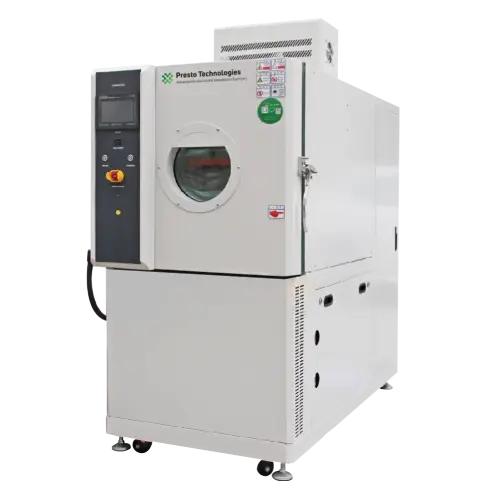
Whether designing electronics, automotive elements, or aerospace equipment, real-world simulation is a vital step in the validation of your product. This is where a walk-in environmental test chamber becomes incredibly useful. These testing chambers have been designed to recreate extreme weather environments—very high temperature, very high humidity, and altitude. This gives manufacturers the capability to test their products for greater durability, safety, and compliance to global standards.
As industries evolve and innovate, the testing equipment necessary to support these developments is no longer just a desirable item, but an essential item to have. To companies that focus on quality and reliability, review this post to see why adding a walk-in environmental test chamber will add value in their product development process.
Value of Walk-In Environmental Test Chambers
Walk-in environmental test chambers are built to accommodate large products or high volumes of smaller components, making them suitable for a range of industries. From stress testing electronics to validating the durability of automotive parts, their capabilities help organizations bring reliable products to market faster and more confidently. Below are the top five benefits of walk-in environmental test chambers that highlight their growing importance in today’s industrial landscape.
1. Simulate Real-World Conditions with Precision
One of the biggest advantages of a walk-in environmental test chamber is its ability to replicate a wide range of environmental conditions with high precision. These chambers can simulate extreme heat, cold, humidity, and even temperature fluctuations over extended periods. This allows manufacturers to observe how their products behave under conditions they might encounter during actual use.
Whether it's a battery exposed to freezing temperatures or a plastic casing subjected to intense humidity, walk-in chambers make it possible to analyze performance metrics with reliable, repeatable results. This level of control helps in refining product design and identifying potential failure points before mass production.
2. Improve Product Reliability and Safety
Consumers and businesses alike expect products to work consistently in diverse and sometimes harsh environments. Using a walk-in environmental test chamber helps engineers detect weaknesses in a product’s materials, assembly, or design early in the development cycle. This proactive approach allows for improvements that enhance product longevity and safety.
By identifying vulnerabilities in controlled settings, companies can avoid costly product recalls and strengthen their brand reputation. Testing for environmental stress helps ensure that a product won’t fail under pressure, whether it’s in a freezing warehouse or a tropical climate.
3. Support Regulatory and Compliance Testing
Many industries must meet strict regulatory standards before a product can be launched. Walk-in environmental test chambers support compliance with international standards such as ISO, ASTM, and MIL-STD, among others. These standards often require proof of environmental testing for products used in defense, aerospace, medical, and other critical applications.
Having access to accurate environmental simulation provides documentation and validation that your products meet required benchmarks. It also increases the chances of passing third-party audits and certifications on the first try, saving time and reducing project delays.
4. Enhance R&D Efficiency and Innovation
Research and development teams thrive on accurate data and fast feedback. Walk-in environmental test chambers accelerate the R&D cycle by offering engineers the ability to test multiple prototypes or full-sized products under consistent conditions. This speeds up the decision-making process and supports rapid iteration.
With reliable environmental data, R&D teams can optimize product features, improve energy efficiency, and discover innovative materials that perform better under stress. In turn, this leads to more advanced products that align with market demands and customer expectations.
5. Accommodate Large-Scale and Complex Testing Needs
In contrast to the smaller bench-top models, walk-in chambers are built for testing large-scale products or conducting batch testing. Companies making vehicles, industrial equipment, or elements of aerospace technology are the organizations that benefit from the space and flexible design that walk-in chambers can afford. Many walk-in chambers can be manufactured to meet predetermined temperature ranges, humidity, and even airflow systems for the product being tested.
This allows for large-scale environmental simulation without losing accuracy or consistency. It also simplifies the logistics of testing larger section components in a setting which would otherwise be impracticable in smaller forms of testing.
In an environment where businesses are seeking comprehensive quality assurance solutions through every step of the development cycle, Presto Enviro and its competitors are rising as industry leaders in environmental testing chambers. Equipped with easy-to-control hardware, rugged construction, and precision testing capabilities, the walk-in chamber continues to be the solution for validation across the industries.
Post Your Ad Here
Comments