Turbinectomy Surgery | A Complete Guide for Better Breathing
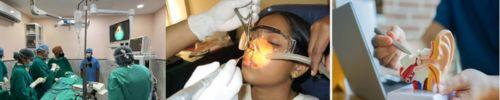
Turbinectomy surgery is a medical procedure designed to improve airflow and ease breathing difficulties by removing or reducing the size of the nasal turbinates. These turbinates are small bony structures inside the nose covered with soft tissue, and their role is to filter, warm, and humidify the air you breathe. While they are essential for a healthy respiratory system, sometimes they become enlarged or swollen due to allergies, infections, or structural issues, causing chronic nasal blockage.
What Is Turbinectomy Surgery?
Turbinectomy is performed when medication and other non-surgical treatments fail to relieve nasal obstruction. In this procedure, a surgeon carefully removes part or all of the affected turbinate to create more space for air to pass freely through the nasal passages. It is typically done under local or general anesthesia and may be performed using modern techniques such as endoscopic or laser-assisted surgery, which allow for precision and faster recovery.
Common Reasons for Turbinectomy
Chronic Nasal Congestion – If your nose feels blocked most of the time, and breathing through it is difficult even after medication.
Allergic Rhinitis – Long-term allergies can cause turbinate swelling and enlargement.
Sinus Infections – Repeated or persistent sinus issues can lead to turbinate problems.
Structural Issues – Conditions like a deviated septum can worsen turbinate enlargement.
Benefits of Turbinectomy Surgery
Improved Breathing – Clearer nasal passages mean you can breathe easier, both during the day and while sleeping.
Better Sleep Quality – Reduced nasal blockage can ease snoring and sleep-related breathing issues.
Reduced Dependence on Medication – Many patients can cut down on long-term nasal sprays or antihistamines after surgery.
Relief from Chronic Discomfort – Less pressure and congestion in the nasal area.
The Surgical Process
During a turbinectomy, the surgeon focuses on one or more turbinates, often the inferior turbinate, which is most commonly enlarged. Using specialized instruments or laser technology, part of the tissue is removed while preserving the turbinate’s essential functions. The surgery typically takes less than an hour, and most patients go home the same day.
Recovery and Aftercare
Post-surgery, you may experience mild discomfort, nasal dryness, or crusting. Your doctor will recommend saline sprays or rinses to keep the nasal passage moist and assist healing. Most people recover within 1–2 weeks, though complete healing of internal tissues may take longer. Follow-up appointments will ensure your nose is healing properly and that breathing improvement is achieved.
Conclusion
Turbinectomy surgery is a highly effective solution for people suffering from chronic nasal blockage when medications do not work. By restoring clear nasal airflow, the procedure can greatly improve breathing comfort, sleep quality, and overall quality of life. If you’ve been struggling with persistent nasal congestion, consulting an ENT surgeon to discuss turbinectomy could be the first step towards breathing easier and living better.
Post Your Ad Here
Comments