Turbinectomy Surgery | Effective Treatment for Nasal Obstruction
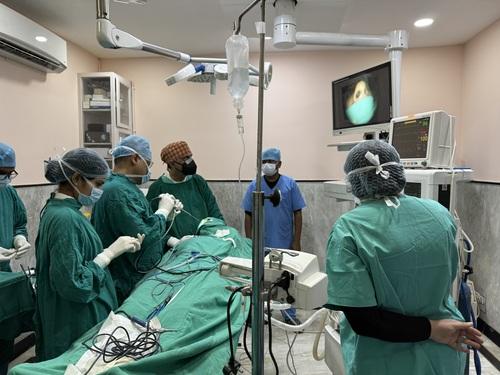
Turbinectomy surgery is a highly effective medical procedure that helps patients suffering from chronic nasal congestion and breathing difficulties caused by enlarged turbinates. Turbinates are thin structures in the nasal passages that filter and humidify the air we breathe. When they become swollen due to allergies, sinus infections, or structural problems, they obstruct the airway and cause ongoing discomfort. Turbinectomy surgery reduces or removes these enlarged turbinates, ensuring long-term relief and improved airflow.
Why Turbinectomy Surgery is Needed
Many people struggle with persistent nasal blockage even after using medications, decongestants, or sprays. In such cases, turbinectomy offers a permanent solution. It is commonly suggested for:
Chronic nasal obstruction due to enlarged turbinates
Allergic rhinitis that does not respond to treatment
Sinus infections and pressure
Breathing issues at night, including snoring and sleep apnea
Nasal obstruction combined with a deviated septum
By directly addressing the obstruction, this surgery helps improve both breathing efficiency and sleep quality.
Types of Turbinectomy Procedures
Doctors use different techniques based on the severity of the problem:
Partial Turbinectomy: Removes only a portion of the enlarged tissue.
Total Turbinectomy: Removes the entire turbinate in extreme cases.
Submucosal Turbinectomy: Reduces internal bulk while preserving the surface lining.
Laser or Radiofrequency Surgery: Uses modern technology to minimize recovery time and bleeding.
Each method aims to strike a balance between improving airflow and maintaining normal nasal function.
Advantages of Turbinectomy Surgery
This procedure provides multiple patient benefits, such as:
Long-lasting relief from nasal congestion
Less dependence on medication or sprays
-
Post Your Ad Here
Comments