The Business Case for White Label NFT Marketplaces: How Customizable Platforms Drive Innovation, Engagement, and Long-Term Digital Value
Introduction
In today’s fast-evolving digital landscape, businesses are challenged to move beyond traditional engagement models. Standard websites, social media campaigns, and e-commerce platforms can provide reach and visibility, but they often fail to create sustained engagement or long-term value. Audiences increasingly demand authentic, interactive experiences that go beyond passive consumption.
White label NFT marketplaces present a compelling solution. By offering customizable, blockchain-powered platforms, businesses can issue and manage non-fungible tokens (NFTs) under their own brand identity. These platforms transform the way companies interact with customers, turning traditional engagement into ownership-driven ecosystems that foster participation, loyalty, and economic value.
This article examines the business case for white label NFT marketplaces, exploring how they drive innovation, enhance engagement, and create sustainable digital value for companies across industries.
Understanding White Label NFT Marketplaces
A white label NFT marketplace is a ready-made, fully customizable platform that allows businesses to deploy their own NFT ecosystem without building the infrastructure from scratch. Unlike public NFT marketplaces, these solutions enable enterprises to maintain full control over branding, functionality, and user experience.
Key Features of White Label NFT Marketplaces
-
Brand Customization – Complete control over design, interface, and branding ensures consistency and enhances trust.
-
Blockchain Flexibility – Support for multiple networks such as Ethereum, Polygon, or Solana allows scalable and secure NFT management.
-
Smart Contract Automation – Enables automated royalty distribution, ownership transfers, and reward management.
-
Wallet and Payment Integration – Supports crypto and fiat transactions, making the marketplace accessible to diverse audiences.
-
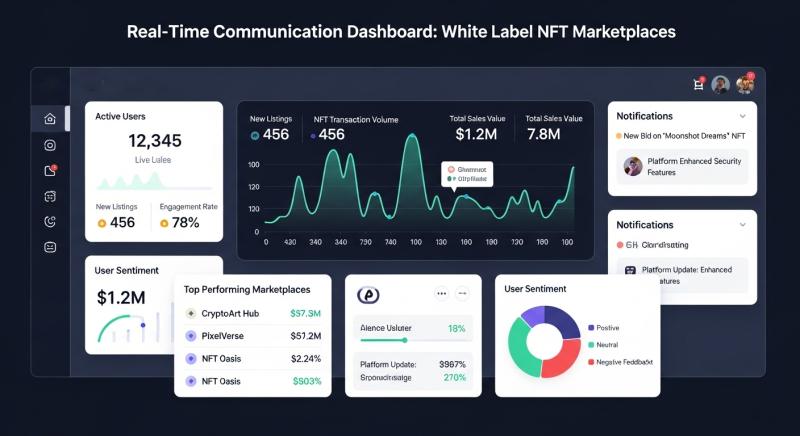
Analytics and Reporting – Provides real-time insights into user behavior, sales trends, and asset performance.
-
Scalable Infrastructure – Designed to accommodate growing communities and global user bases without compromising performance.
These features allow businesses to transform NFTs from a novelty into a core engagement and revenue-driving strategy.
Driving Innovation Through Customization
One of the most significant advantages of white label NFT marketplaces is the freedom to innovate. Brands can design experiences, rewards, and digital products that align with their unique vision, rather than adapting to generic marketplace structures.
Areas of Innovation
-
Product Tokenization – Physical and digital products can be represented as NFTs, creating verifiable digital ownership and new monetization opportunities.
-
Interactive Experiences – NFTs can serve as access passes to events, exclusive content, or virtual experiences, fostering deeper engagement.
-
Gamification – Platforms can incorporate achievement systems, reward tiers, and collectible progression to encourage active participation.
-
Collaborative Projects – Brands can partner with artists, creators, or other businesses to co-create NFTs, expanding cultural relevance and audience reach.
By combining creative strategy with technological flexibility, businesses can develop digital offerings that resonate with modern consumers and differentiate them from competitors.
Enhancing Customer Engagement
Customer engagement is a central driver of business growth. White label NFT marketplaces shift engagement from a passive, one-directional interaction into an active, participatory model.
Ownership-Driven Engagement
When customers own NFTs tied to a brand, they become invested stakeholders, not just consumers. Ownership confers both emotional and economic value, reinforcing loyalty and encouraging continuous interaction.
Benefits include:
-
Stronger Loyalty – Fans are more likely to engage and remain active when they own valuable, unique assets.
-
Community Building – NFT ownership fosters peer-to-peer interaction, collaboration, and co-creation within brand communities.
-
Recurring Revenue – Smart contracts enable royalties on secondary sales, providing ongoing income.
-
Exclusive Access – NFTs can serve as tickets, membership passes, or digital credentials, offering holders unique privileges.
Through ownership-driven engagement, businesses can transform audiences into active participants, enhancing both retention and lifetime value.
Creating Long-Term Digital Value
Beyond engagement, white label NFT marketplaces provide tangible long-term value by establishing self-sustaining digital economies. Every NFT minted, sold, or traded contributes to a cycle of participation, monetization, and community growth.
Components of Long-Term Value
-
Secondary Market Activity – Encourages trading and circulation of NFTs, increasing asset utility and longevity.
-
Tokenized Loyalty Programs – Rewards and incentives tied to NFTs drive ongoing user participation.
-
Community Governance – Token holders can influence brand decisions, creating co-ownership and a sense of investment in the brand’s success.
-
Transparency and Trust – Blockchain technology ensures verifiable ownership, reducing fraud and enhancing credibility.
By embedding these mechanisms into the marketplace, businesses can leverage NFTs to build value that extends far beyond the initial transaction, creating a resilient and participatory ecosystem.
Industry Applications and Real-World Examples
White label NFT marketplaces are versatile and can be applied across numerous industries, allowing businesses to transform engagement, monetization, and customer experience.
Entertainment and Media
Artists, musicians, and filmmakers can issue NFTs that grant access to exclusive content, early releases, or behind-the-scenes experiences. Fans become co-owners of creative outputs, deepening emotional engagement and building long-term loyalty. By offering limited-edition digital assets, brands create scarcity that drives demand and secondary market activity, generating continuous revenue streams.
Sports and Fan Communities
Sports teams and leagues leverage NFT marketplaces to offer digital collectibles tied to historic moments, VIP experiences, or fan memberships. Ownership empowers fans to participate in the club’s ecosystem, such as voting on team initiatives or accessing exclusive events. This approach strengthens community identity and creates recurring income from NFT resales and royalties.
Fashion and Luxury
Fashion brands utilize NFTs to tokenize limited-edition clothing, accessories, or membership programs. These “phygital” experiences link physical items with verifiable digital assets, ensuring authenticity while offering collectible and tradable value. Consumers gain a sense of exclusivity, driving engagement and reinforcing brand prestige.
Consumer Goods and Retail
Retailers incorporate NFTs into loyalty programs and promotional campaigns, converting transactional interactions into participatory experiences. Tokenized rewards, milestone achievements, and gamified engagement encourage customers to interact with the brand repeatedly, boosting lifetime value and community engagement.
Across these industries, white label NFT marketplaces enable businesses to move beyond traditional marketing, providing immersive and participatory experiences that create measurable long-term value.
Ethical Considerations and Sustainable Practices
As businesses implement NFT marketplaces, ethical practices and sustainability are crucial for long-term credibility and trust.
Transparency
Clear communication of NFT utility, rights, and rewards ensures that consumers understand the value of their digital assets. Misrepresentation undermines both trust and engagement.
Environmental Responsibility
Choosing energy-efficient blockchain networks or Layer-2 solutions reduces environmental impact, aligning business operations with global sustainability standards.
Inclusivity and Accessibility
Simplified onboarding, multi-currency support, and educational resources ensure broad participation, preventing barriers for users unfamiliar with cryptocurrency and blockchain technology.
Data Protection
Even with blockchain transparency, businesses must protect personal information and comply with privacy regulations, reinforcing consumer trust in digital engagement platforms.
Embedding ethics and sustainability into NFT ecosystems not only fosters responsible innovation but also strengthens brand reputation and loyalty.
Emerging Trends in NFT Marketplaces
The future of white label NFT marketplaces is shaped by technological advancements, community-driven initiatives, and evolving consumer expectations.
Interoperability
NFTs will increasingly be designed to function across multiple platforms, metaverses, and partner ecosystems, enhancing utility and value.
AI-Powered Personalization
Artificial intelligence enables hyper-personalized NFT experiences based on user behavior and engagement patterns, increasing retention and satisfaction.
Dynamic NFTs
NFTs that evolve based on user interaction or milestones gamify engagement and encourage ongoing participation.
Phygital and Experiential Assets
Integrating physical and digital assets strengthens perceived value and bridges the gap between real-world experiences and digital ownership.
Community Governance
Decentralized autonomous organizations (DAOs) allow NFT holders to participate in decision-making, increasing investment, loyalty, and co-creation within brand ecosystems.
These trends indicate a shift toward participatory, value-driven digital economies, where consumers and brands collaborate to create lasting engagement and revenue streams.
Strategic Advantages for Businesses
Implementing a white label NFT marketplace provides businesses with strategic benefits that extend far beyond short-term engagement.
-
Brand Differentiation – Customizable marketplaces allow brands to stand out with unique experiences and offerings.
-
Customer Retention – Ownership-driven engagement fosters loyalty and repeat interaction.
-
Sustainable Revenue – Smart contract royalties and secondary market activity generate ongoing income.
-
Data-Driven Insights – Transparent blockchain analytics inform strategic decision-making.
-
Global Reach – Scalable, interoperable marketplaces enable access to international audiences.
-
Innovation Leadership – Early adoption positions brands as pioneers in Web3 engagement.
By integrating these advantages, businesses can transform engagement into long-term value creation, leveraging NFTs to build resilient digital economies.
Conclusion
The business case for white label NFT marketplaces is clear. Customizable platforms allow enterprises to combine creativity, technology, and ownership to create immersive, participatory experiences that drive engagement, loyalty, and revenue.
In contrast to traditional digital strategies, white label NFT marketplaces empower businesses to turn audiences into stakeholders, fostering co-creation, trust, and shared value. From entertainment and sports to retail and fashion, these platforms provide scalable, ethical, and innovative solutions for modern digital economies.
As Web3 adoption grows, businesses that embrace white label NFT marketplaces will gain a sustainable competitive advantage, creating ecosystems where engagement, creativity, and ownership converge to generate lasting digital value. The marketplace is no longer just a platform—it is a foundation for the next generation of participatory, ownership-driven business models.
Post Your Ad Here
Comments