How SD-Cap Uses Technology to Elevate Construction Management Services
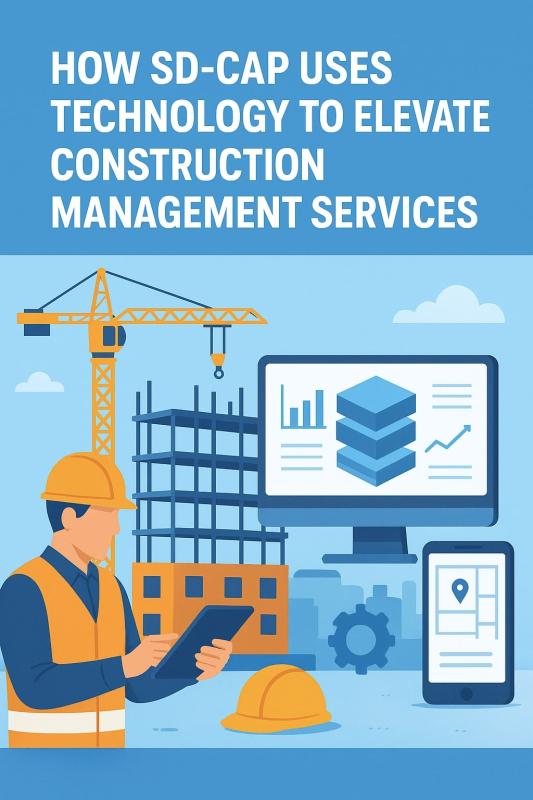
In today’s fast-changing construction landscape, technology has become more than just a tool—it’s the foundation of smarter, faster, and safer project delivery. From advanced planning software to real-time communication platforms, digital innovations are helping companies build better, reduce waste, and manage every detail with precision.
SD-Cap is among the construction management firms that have embraced this evolution, using technology to improve coordination, quality, and project outcomes.
The Changing Face of Construction Management
Traditionally, construction projects relied heavily on paper plans, manual coordination, and on-site meetings to move things forward. While those methods worked for years, they often led to delays, cost overruns, and communication gaps.
Today, construction management looks very different. Cloud-based tools, automation, and data analytics have made it possible to track progress, anticipate risks, and make decisions instantly. Technology has turned what was once a complex and reactive process into a more transparent, efficient, and proactive system.
Digital Project Planning and Scheduling
One of the biggest transformations in construction management is the use of digital planning tools. Modern project management software allows teams to create detailed construction schedules that update in real-time.
Instead of working with static spreadsheets, project managers can now visualize every phase of the build—from design and procurement to construction and inspection—on an interactive dashboard.
This level of visibility helps identify potential delays before they occur. If one task takes longer than expected, the system automatically adjusts the timeline and sends alerts to the relevant teams. As a result, projects stay on schedule, and decision-makers can respond to issues quickly, minimizing downtime.
Building Information Modeling (BIM)
Building Information Modeling, or BIM, is another major advancement that has changed the way projects are designed and managed. BIM creates a 3D digital representation of a building that contains detailed information about every component—structure, systems, and materials.
This technology allows architects, engineers, and contractors to collaborate in one shared environment. They can detect design conflicts early, such as overlapping systems or misplaced utilities, before construction even begins. By identifying these issues in the planning stage, teams reduce costly rework and improve overall accuracy on-site.
Beyond design coordination, BIM also supports sustainability goals. It helps analyze material quantities, energy performance, and maintenance needs, allowing teams to make environmentally responsible decisions from the start.
Real-Time Communication and Collaboration Tools
Effective communication is essential for any construction project, especially when multiple teams and job sites are involved. Technology has made it easier than ever to keep everyone on the same page.
Cloud-based collaboration tools allow architects, contractors, and clients to share documents, drawings, and updates instantly. Team members can upload site photos, report issues, or approve changes in real time. This reduces the time spent waiting for responses and eliminates confusion caused by outdated information.
Mobile apps are also playing a major role. On-site supervisors can log daily progress, track materials, or conduct safety inspections directly from their smartphones. That data is immediately synced with the central project management system, ensuring that office teams have up-to-date insights into field activities.
Data-Driven Decision Making
Construction projects generate a vast amount of data—from budgets and schedules to labor productivity and equipment usage. When this data is analyzed properly, it becomes a powerful decision-making tool.
Technology enables project managers to track key performance indicators (KPIs) and forecast future trends. For example, predictive analytics can identify when costs are likely to rise, which materials are being wasted, or which teams are performing below expectations. This helps management make informed choices that keep the project on track and within budget.
By understanding data patterns, companies can also improve future projects. Lessons learned from one build can be turned into strategies for the next, creating a cycle of continuous improvement.
Enhancing Site Safety Through Technology
Safety remains one of the top priorities in the construction industry, and technology has introduced several tools to make job sites safer.
Wearable devices, for example, can monitor worker movements and alert supervisors when someone enters a restricted area or is exposed to unsafe conditions. Drones are being used to inspect hard-to-reach locations, reducing the need for workers to perform risky manual checks.
Digital safety checklists and reporting tools make it easier to document incidents, track compliance, and ensure that safety protocols are followed consistently. These innovations not only protect workers but also reduce project delays caused by accidents or regulatory issues.
The Role of Automation and AI
Automation and artificial intelligence (AI) are emerging as the next frontier in construction management. Automated systems can now handle repetitive tasks such as schedule updates, equipment tracking, and inventory management.
AI-driven software can analyze complex project data to suggest the most efficient construction sequences or identify early signs of risk. For example, if weather patterns show prolonged rain in a certain area, the system can recommend adjusting the schedule or reallocating resources.
These technologies help teams stay ahead of challenges, improving productivity and reducing human error.
Sustainable Construction Through Smart Technology
Technology is also helping the construction industry become more environmentally responsible. Smart energy systems, material tracking, and digital documentation reduce waste and promote greener practices.
Construction management platforms now include features that calculate carbon emissions and material efficiency, allowing teams to make conscious choices that align with sustainability goals. By integrating these tools into daily operations, companies can deliver not just successful projects but also environmentally sound ones.
Conclusion
The construction industry is moving quickly toward a digital-first future. Tools like BIM, data analytics, automation, and cloud collaboration are no longer optional—they’re essential for maintaining efficiency, safety, and quality.
By embracing these innovations, SD-Cap’s construction management services continue to deliver projects that are smarter, faster, and more reliable. Technology doesn’t replace human expertise; instead, it empowers teams to make better decisions and build with greater precision.
As technology keeps evolving, so will the way projects are managed. The future of construction management is digital, and companies that adapt will lead the way in shaping a more connected and efficient industry.
Post Your Ad Here
Comments