How Technology is Transforming Modern Construction Management
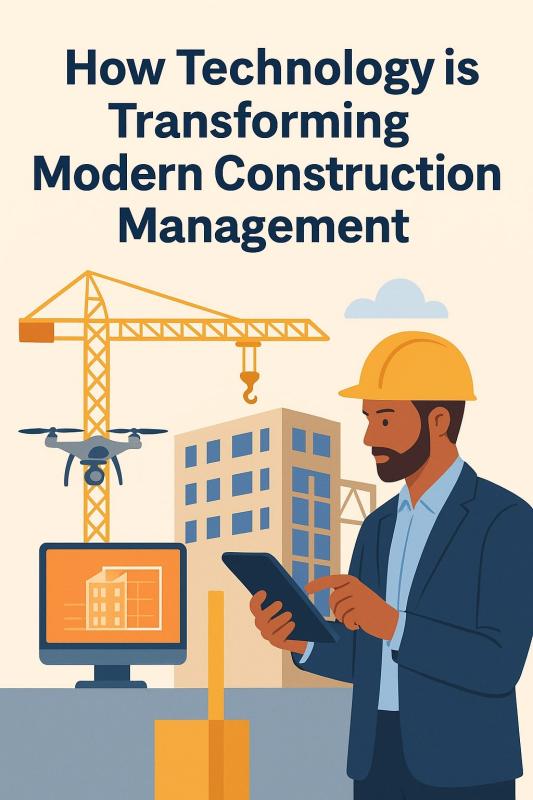
The construction industry has always been about building structures that stand the test of time. But over the last decade, the way we plan, manage, and deliver these projects has started to change rapidly. At the heart of this change is technology. From advanced software to smart devices, technology is reshaping how construction management works today.
For years, construction projects faced common challenges—delays, cost overruns, miscommunication between teams, and lack of real-time updates. These problems didn’t just create stress for project managers, but also for clients, investors, and the people who were waiting to use those buildings. Now, with the help of modern tools, construction managers have better control and clarity. Let’s look at how technology is making this transformation possible.
1. Digital Project Management Tools
Gone are the days of managing massive paper files and endless spreadsheets. Today, digital project management platforms allow teams to track progress, budgets, timelines, and resources in one place. These tools make it easier to share updates instantly, avoid duplication, and keep everyone on the same page.
A project manager can now log into a dashboard and see exactly where things stand—whether the concrete is poured, the materials have arrived, or a particular permit is approved. This visibility reduces delays and helps make quicker decisions.
2. Building Information Modeling (BIM)
BIM is one of the most powerful changes in modern construction. Instead of just using flat 2D drawings, BIM allows the creation of detailed 3D models of a building. These models are not just pretty pictures—they contain real data about materials, systems, and timelines.
For example, if an architect suggests a design change, the BIM model can instantly show how it will affect the cost, structure, or even the plumbing system. This level of detail helps reduce mistakes and ensures the project runs smoother.
3. Drones in Construction
Drones are no longer just for hobbyists—they have become essential tools on many construction sites. They can fly over large areas to capture real-time photos and videos, providing project managers with a bird’s-eye view of progress.
This helps in many ways:
-
Surveying land quickly and accurately
-
Monitoring safety compliance
-
Comparing actual progress with planned timelines
-
Creating visual updates for clients and stakeholders
Drones save time, reduce the need for risky manual inspections, and provide data that can be used to improve project efficiency.
4. Mobile Technology and Cloud Collaboration
Construction sites are busy places, and managers often need to make decisions on the go. Mobile apps linked to cloud systems allow workers, engineers, and managers to access documents, drawings, and schedules anytime, anywhere.
This means that if a contractor in the field needs clarification, they don’t have to wait until the next meeting. They can open the app, check the latest drawing, and move forward without delay. Cloud collaboration ensures that everyone is always working with the most updated information, which reduces miscommunication and costly errors.
5. Artificial Intelligence (AI) and Data Analytics
AI may sound futuristic, but it’s already being used in construction management. AI tools can analyze large amounts of data to predict potential risks, like delays due to weather or supply shortages. They can also help in optimizing schedules, resource allocation, and safety planning.
Data analytics allows managers to look back at past projects and learn from them. For example, if data shows that a certain type of material often causes delays in delivery, managers can plan ahead to avoid the same issue.
6. Virtual Reality (VR) and Augmented Reality (AR)
VR and AR are making it easier for teams to visualize projects before they are built. Clients can take virtual walkthroughs of buildings before a single brick is laid. Engineers can use AR to overlay digital designs on real-world spaces, helping them see exactly how things will fit.
This not only improves client satisfaction but also reduces costly design errors that might otherwise go unnoticed until later in the project.
7. Robotics and Automation
Robotics is slowly becoming part of construction sites. Machines that can handle repetitive tasks like bricklaying or concrete pouring help speed up the process and reduce human fatigue. Automation also plays a role in off-site prefabrication, where parts of buildings are made in factories and then assembled on-site.
These approaches save time and often improve safety, as fewer workers are exposed to high-risk activities.
8. The Human Side of Technology
While all these technologies are impressive, it’s important to remember that construction management is not just about machines—it’s about people. Technology is a tool that makes human work easier, safer, and more efficient. The judgment, creativity, and problem-solving ability of skilled managers and workers will always remain at the core of successful projects.
Companies like SD-Cap, which provides construction management services across the USA, are using these modern tools not just to deliver buildings, but to create spaces that truly serve people—whether it’s student housing, senior living, or community spaces. The real value lies in combining human expertise with technological support.
9. Looking Ahead
The future of construction management looks exciting. As technology continues to advance, we can expect even more innovations—like smart sensors that track building performance in real-time or advanced AI that can predict project outcomes with high accuracy.
For project owners and developers, this means more reliable timelines, better cost control, and higher-quality results. For construction teams, it means safer environments and less frustration from outdated processes. And for communities, it means faster access to the spaces they need—homes, schools, hospitals, and more.
Final Thoughts
Technology is no longer an optional extra in construction management—it’s a necessity. From planning to execution, digital tools and smart systems are helping the industry solve old problems in new ways. But at its core, construction will always be about people building for people.
By blending human expertise with modern technology, the industry is creating not just buildings, but better futures.

Post Your Ad Here
Comments