How NFTs Are Transforming Fantasy Sports Ownership and Player Engagement?
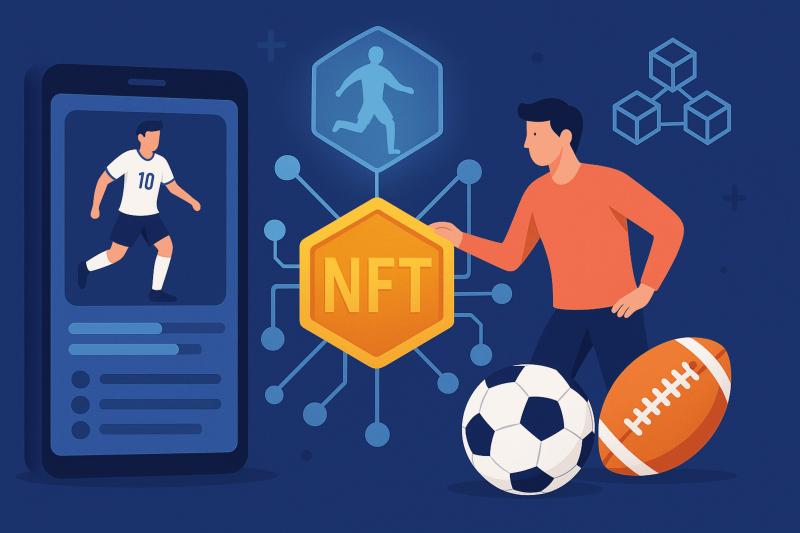
The fantasy sports industry has always thrived on competition, data, and community. Fans love the ability to create dream teams, compete with friends, and experience the thrill of sports in a digital environment. But over the past few years, a new technological wave has begun reshaping this landscape - non-fungible tokens (NFTs). By bringing digital scarcity, ownership, and decentralization to the world of online gaming, NFTs are revolutionizing how players interact with fantasy platforms and their favorite athletes.
The Rise of NFTs in Sports Gaming
NFTs, powered by blockchain technology, have introduced a system where every digital asset - be it a player card, trophy, or collectible - can be owned, traded, or sold by the user. Unlike traditional in-game assets, which are typically controlled by centralized companies, NFTs give users verifiable ownership. This shift has unlocked new economic models and engagement opportunities for fantasy sports enthusiasts.
Imagine drafting a player not just as part of a temporary lineup, but as a digital collectible with real-world value. This concept of NFT in fantasy sports allows users to hold tokenized player assets that can appreciate based on performance, rarity, or popularity. It’s no longer just about winning weekly matchups; it’s about building and managing a portfolio of valuable, tradable digital assets.
Bringing True Ownership to the Fans
Traditionally, fantasy sports platforms acted as intermediaries - users played within the boundaries of a controlled ecosystem. NFTs eliminate these restrictions by introducing digital ownership in fantasy sports. Now, a player card or in-game reward isn’t locked to one platform; instead, it’s stored securely on the blockchain, allowing transferability and interoperability across different games and marketplaces.
For fans, this means real autonomy. A rare player NFT can be used within multiple fantasy leagues, traded on external NFT marketplaces, or even showcased as part of a digital sports collection. Ownership also leads to long-term engagement, as players are more invested in assets they truly control rather than ones that can disappear when a platform changes its policies.
Decentralization and Transparency in Gameplay
One of the most significant transformations NFTs bring is the move toward decentralized fantasy sports. By leveraging blockchain networks, these platforms operate transparently - scoring, trading, and transactions are all recorded on an immutable ledger. This transparency reduces the risk of manipulation, ensures fair play, and builds trust among users.
Moreover, decentralization fosters community governance. Instead of a single company making all the decisions, decentralized platforms can allow users to participate in voting mechanisms or proposal systems. This creates a more democratic ecosystem where fans help shape the rules, rewards, and structure of the game itself.
The NFT-Driven Sports Economy
The introduction of NFTs has led to the emergence of a thriving NFT-driven sports economy. In this new ecosystem, every digital collectible has inherent value based on rarity, demand, and historical significance. Athletes and sports organizations are also joining the movement, releasing limited-edition NFT cards or memorabilia that can be integrated directly into fantasy platforms.
This economy creates new revenue opportunities for players, teams, and developers. Users, in turn, can profit from trading or staking their NFTs, blurring the line between entertainment and investment. Some platforms even introduce play-to-earn models, rewarding users with cryptocurrency or NFTs for participating in games, leagues, and tournaments.
Tokenized Sports Assets and Fan Engagement
At the heart of this transformation lies the concept of tokenized sports assets - digital representations of real-world players, teams, or moments. These assets make the fan experience far more interactive and personalized. For example, owning a star player’s NFT could grant exclusive access to real-world experiences like virtual meet-and-greets, behind-the-scenes content, or special tournament entries.
By giving fans a tangible stake in the performance of their favorite athletes, NFTs have deepened emotional engagement. Fans are no longer passive spectators; they’re active participants in a digitally enhanced sports economy where every trade or decision carries potential financial and sentimental value.
Challenges and Future Prospects
While the potential is enormous, the integration of NFTs into fantasy sports isn’t without challenges. Scalability, fluctuating cryptocurrency values, and regulatory considerations still pose hurdles for developers and users alike. Additionally, maintaining a balance between speculation and genuine fan engagement is crucial to prevent the space from being dominated by investors rather than sports enthusiasts.
However, as blockchain infrastructure matures and mainstream adoption grows, these challenges are gradually being addressed. More fantasy platforms are exploring hybrid solutions - offering the benefits of blockchain without overwhelming users with technical complexities. With global sports audiences becoming more digitally savvy, the fusion of fantasy gaming and NFTs is poised for long-term success.
The Road Ahead
The fusion of NFTs and fantasy sports marks a fundamental evolution in digital fan experiences. What was once a simple game of statistics and predictions is now transforming into an ecosystem of ownership, transparency, and economic participation. As the lines between gaming, finance, and fandom continue to blur, one thing is clear: NFTs are here to stay.
For businesses and entrepreneurs looking to tap into this growing market, working with an experienced fantasy sports app developer can be the key to building robust, scalable, and blockchain-ready platforms that captivate users and stand out in this rapidly evolving space.
Post Your Ad Here
Comments