Introduction To Metallography: Understanding The Structure Of Metals
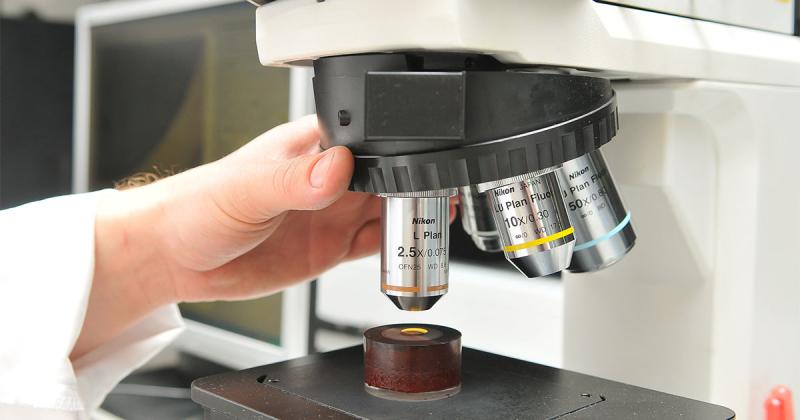
Metals are at the core of modern civilization, shaping industries from aerospace to construction. To use them effectively, scientists and engineers need to understand not just their chemical composition but also their internal structure. This is where metallography comes into play, offering insight into the hidden patterns within metals that determine their strength, durability, and performance.
The Purpose Of Studying Metal Structures
Every metallic object, from a simple nail to a jet engine turbine blade, has a story embedded in its structure. The arrangement of grains, phases, and defects within a sample influences how it behaves under stress, heat, or pressure. By studying these patterns, researchers can predict how a component will perform in real-world conditions and make improvements to manufacturing processes.
Understanding structure also allows industries to maintain strict quality control. For example, a small imperfection in a weld or casting could compromise the safety of a bridge or aircraft. Careful analysis ensures that such flaws are detected and corrected before they lead to failures.
Sample Preparation: The First Step
Examining metal structures is not as simple as placing a sample under a microscope. The surface must be carefully prepared to reveal the details hidden inside. Preparation involves cutting a small section from the material, mounting it in a resin block for easy handling, and then grinding and polishing it to create a mirror-like finish.
The final step often involves etching the surface with a chemical reagent. This reveals the grain boundaries, inclusions, and phases by reacting differently with distinct areas of the metal. The etching process is delicate—too much can obscure details, while too little may leave features invisible.
Tools Of Analysis
Once prepared, samples are studied under different types of microscopes. An optical microscope is often the starting point, allowing technicians to see grains and inclusions at low magnification. For more detailed observation, scanning electron microscopes can magnify structures thousands of times, showing fine details like microcracks or precipitates.
Advanced tools such as energy-dispersive X-ray spectroscopy can even identify the chemical composition of tiny regions within the material. This combination of imaging and elemental analysis provides a complete picture of both structure and composition, enabling accurate evaluations.
Applications In Industry
The study of metal structures is not just an academic exercise—it plays a critical role in countless industries. In automotive manufacturing, analyzing steel ensures that car frames have the necessary strength and resistance to impact. In the medical field, implants made of titanium alloys are inspected to guarantee biocompatibility and longevity inside the human body.
Energy industries also rely on these insights. In the harsh conditions that turbines, pipelines, and drilling equipment operate in, even the slightest flaw could result in disastrous failure. Careful structural evaluation helps prevent accidents and extends the service life of critical infrastructure.
Research And Innovation
Beyond quality control, the study of metals opens doors to innovation. Scientists constantly experiment with new alloys designed to withstand greater stresses, resist corrosion, or remain lightweight without compromising strength. By examining how these new compositions behave at the microscopic level, they can fine-tune their properties for specific applications.
For instance, in aerospace engineering, developing lighter yet stronger materials directly impacts fuel efficiency and performance. Similarly, in renewable energy sectors, durable metals are key to creating long-lasting wind turbines and solar panel supports.
Education And Training
Future engineers and scientists learn to appreciate the importance of metal structures through hands-on training. Universities and technical institutes incorporate laboratory work, where students prepare and examine samples themselves. This experience develops their ability to interpret microstructural features and connect them to practical applications.
Final Thoughts
Despite being invisible to the human eye, the microscopic world found within metals is the source of some of the most significant technological advancements in modern history. By exploring this hidden landscape, researchers ensure safety, drive innovation, and expand human capability across industries. In essence, metallography serves as both a detective and a guide—revealing past processes in a material’s structure and pointing the way forward to stronger, safer, and more advanced technologies.
Post Your Ad Here
Comments